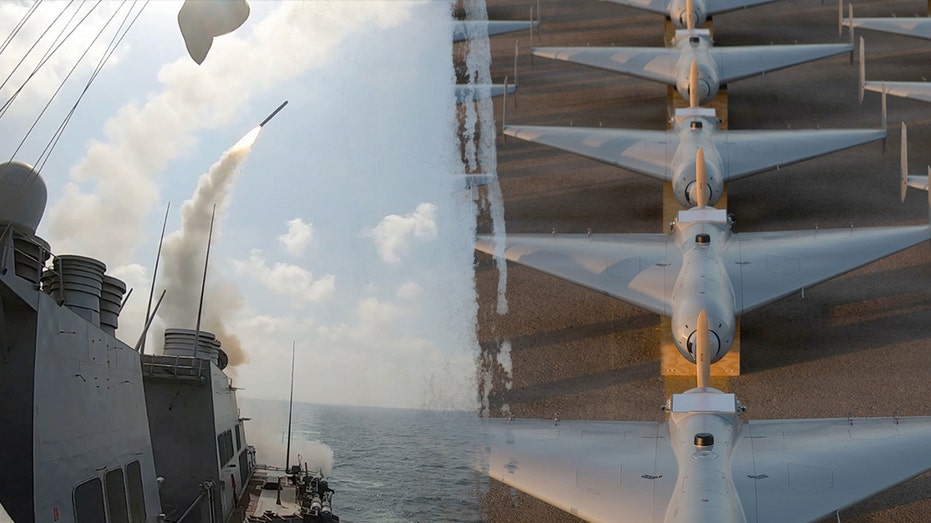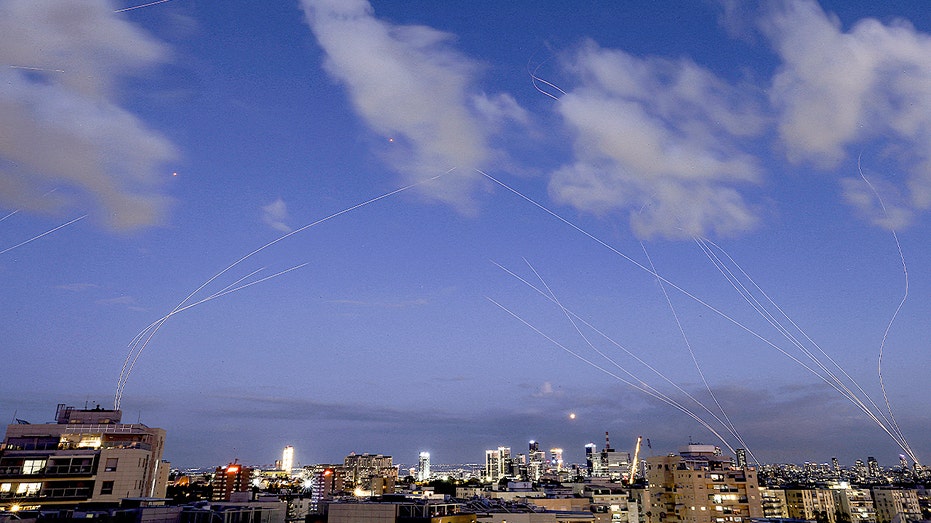
Tel Aviv has endured a harrowing 48 hours, a period unlike any experienced in recent memory. The city has been repeatedly jolted by sirens, signaling incoming missile threats in the wake of escalating conflict and strikes within Iran.
Kobi Michael, a seasoned security analyst, described the situation as a “biblical event” while speaking from within a shelter in Tel Aviv. He, like countless other Israelis, has spent hours seeking refuge in reinforced rooms as barrages of missiles descended.
Despite his extensive experience with such crises, Michael conveyed a sense of profound gravity. The current escalation demands both time and unwavering resolve, a sentiment he expressed with a hopeful glance towards evolving leadership dynamics.
As of Sunday, Tel Aviv remained under a state of emergency, grappling with the aftermath of Iranian missile attacks. These attacks resulted in tragic loss of life and widespread destruction across the city.
Reports indicate approximately eleven Israeli civilians were killed and dozens more wounded by Iranian missile and drone strikes. These strikes were a direct response to earlier actions taken by U.S. and Israeli forces within Iran.
The impact of the attacks was starkly visible in Tel Aviv, with shrapnel damaging at least forty buildings. Tragically, at least one death in the area was attributed to falling debris, including that of a Filipino national confirmed by their embassy.
The routine for many residents has become a cycle of seeking shelter at the sound of sirens, remaining there until authorities declare it safe. Michael recounted experiencing this pattern around thirty times since Saturday morning, each siren a renewed surge of anxiety.
Israeli President Isaac Herzog visited an impact site in Tel Aviv, delivering a message of unwavering resilience to the nation. He emphasized the possibility of peaceful coexistence between Israelis and Iranians, but condemned the actions of the current Iranian regime as a destabilizing force.
The situation within Iran itself has undergone a dramatic shift. Following reports of the deaths of key figures, including Ayatollah Ali Khamenei and approximately forty senior officials, a provisional leadership council has been established.
Ayatollah Alireza Arafi, President Masoud Pezeshkian, and Judiciary Chief Gholam-Hossein Mohseni-Eje’i have been appointed to lead Iran during this period of upheaval. The transition, however, is fraught with challenges.
Michael believes the previous leadership failed to adequately prepare for succession. Pezeshkian now faces immense obstacles, including significant losses, disrupted command structures, and widespread damage from ongoing attacks, particularly in Tehran.
Even if the current regime manages to survive, Michael predicts it will be irrevocably weakened, unable to regain its former power or influence. The landscape of the region, and potentially the international order, has been fundamentally altered.