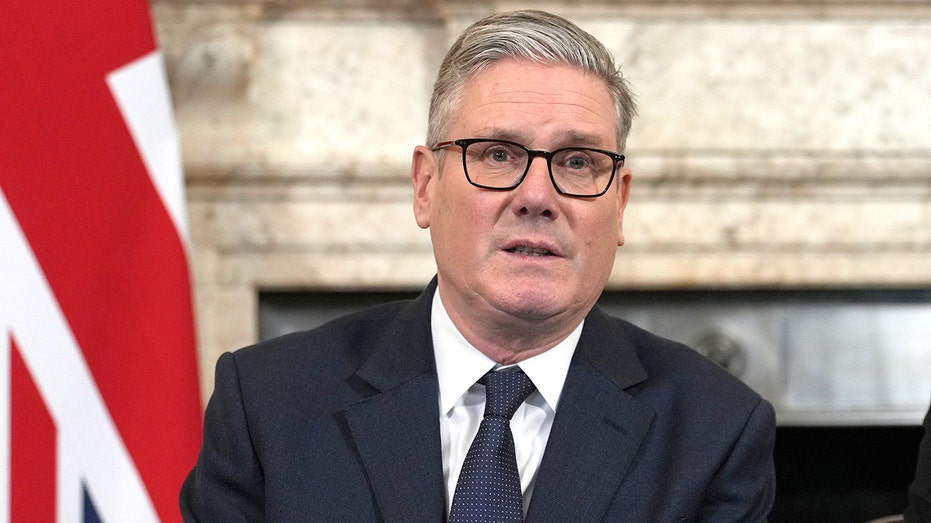
A critical decision has been made, escalating the United Kingdom’s involvement in the volatile Middle East. Prime Minister Keir Starmer has authorized the United States to utilize British bases for targeted strikes against Iran’s missile infrastructure, a move intended to directly address the source of escalating threats.
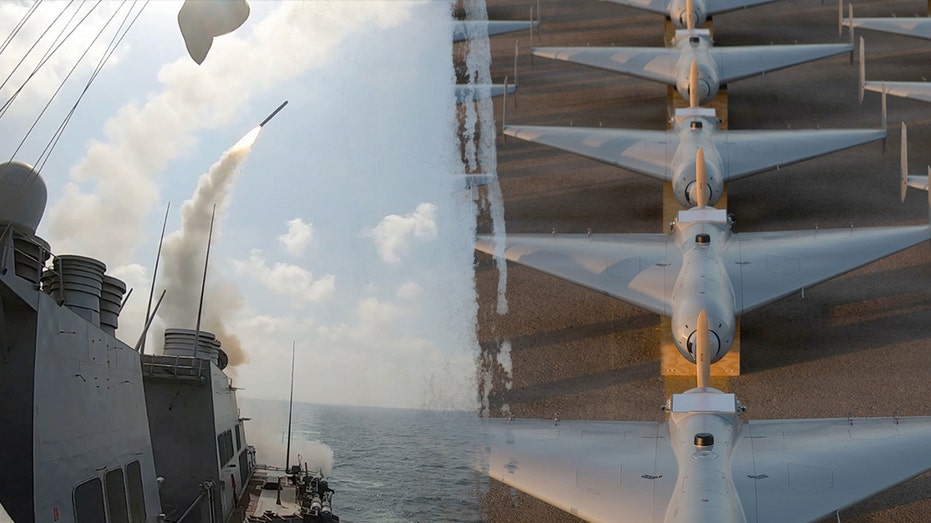
The authorization follows a period of heightened tension, sparked by recent U.S. and Israeli actions within Iran and Tehran’s subsequent retaliatory drone and missile attacks. Fears of a wider regional conflict are now intensely focused, demanding a decisive response to protect allied interests.
Starmer, in a direct address to the nation, emphasized the necessity of dismantling the threat at its origin. “The only way to stop the threat is to destroy the missiles at source, in their storage depots or the launchers which are used to fire the missiles,” he stated, framing the decision as a purely defensive measure.
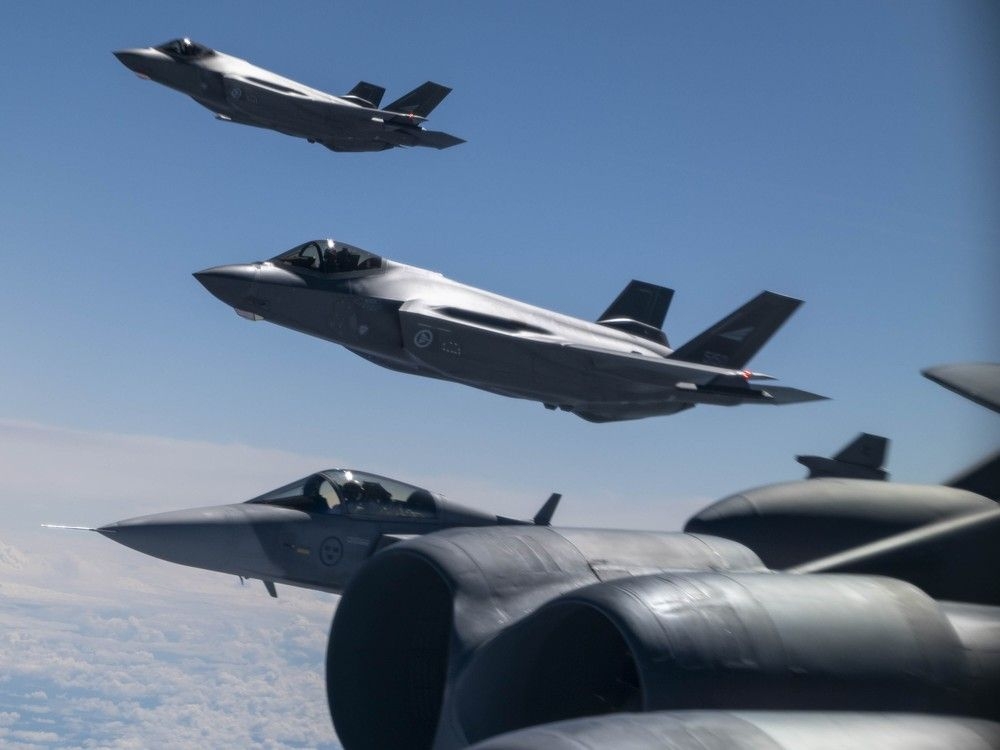
This isn’t simply a granting of access; British forces are already actively engaged. On February 28th, Starmer confirmed British aircraft were airborne, participating in coordinated regional defense operations designed to safeguard citizens, interests, and allies.
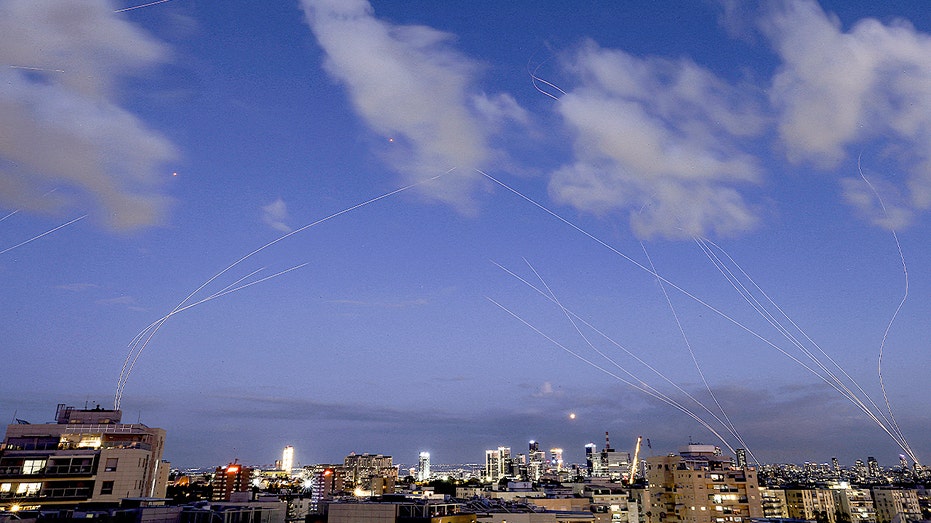
The threat is demonstrably real and immediate. Intelligence reports indicate Iranian missiles were launched towards Cyprus, home to vital British sovereign base areas. Simultaneously, Royal Air Force Typhoon jets, operating from Qatar, successfully intercepted an Iranian drone targeting the same nation.
Approximately 300 British personnel stationed at a naval facility in Bahrain have also found themselves in the line of fire, as Iranian missiles and drones struck nearby locations. Defense Secretary John Healey confirmed British forces are actively intercepting hostile drones threatening bases, personnel, and allies.
Healey was emphatic in clarifying the U.K.’s position, stating unequivocally that Britain played no role in the U.S. and Israeli strikes on Iran. All actions undertaken, he stressed, are solely focused on defending U.K. interests and protecting its allies.
While the possibility of joining the U.S. in broader offensive operations remains uncertain, Healey declined to speculate on future actions. The focus, for now, remains firmly on defensive measures and the protection of critical assets in the region.
The situation is further complicated by recent communication between Starmer and President Donald Trump, where the two leaders discussed the rapidly evolving situation in the Middle East, underscoring the gravity of the moment and the need for continued dialogue.