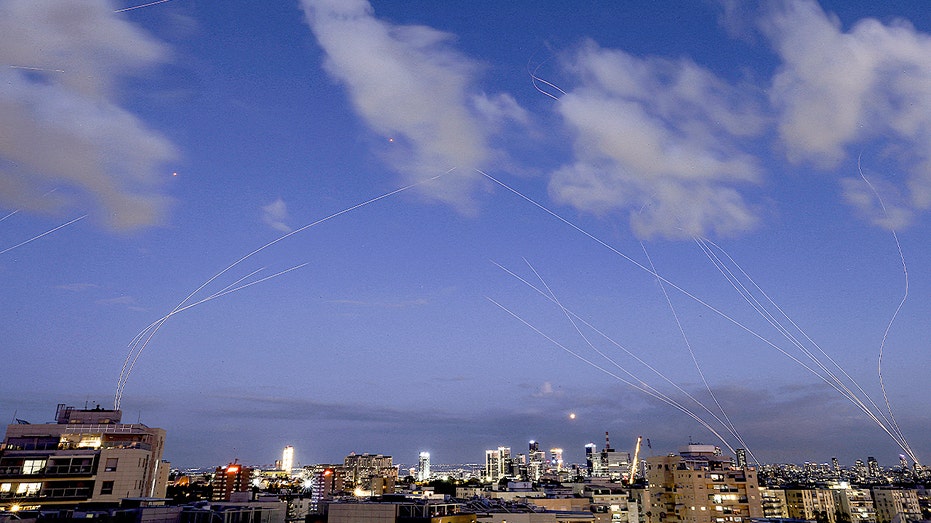
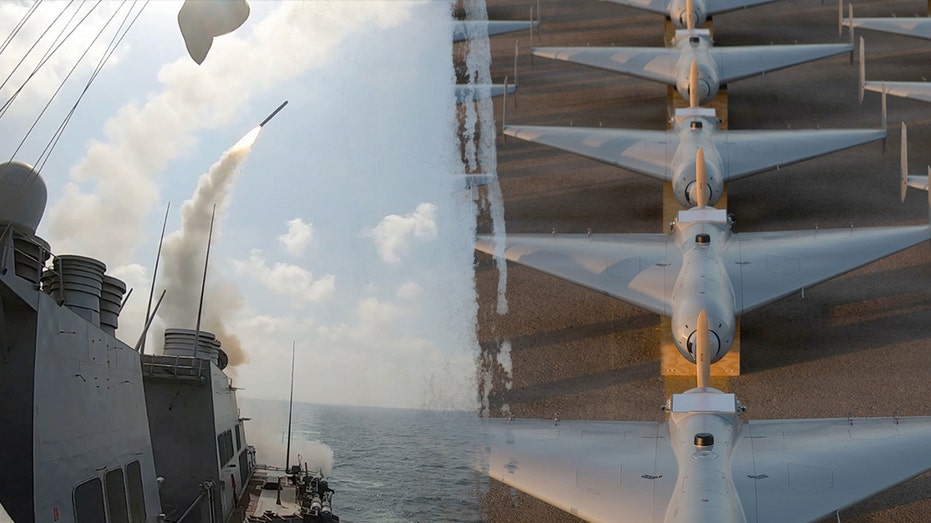
The Middle East teeters on the brink as a wave of retaliatory strikes engulfs the region following the death of Iran’s Supreme Leader. Explosions have rocked Tehran for two consecutive days, with Israel directly targeting what it calls the “heart” of the Iranian capital, while Iran has responded by targeting both Israel and U.S. military installations in Gulf states.
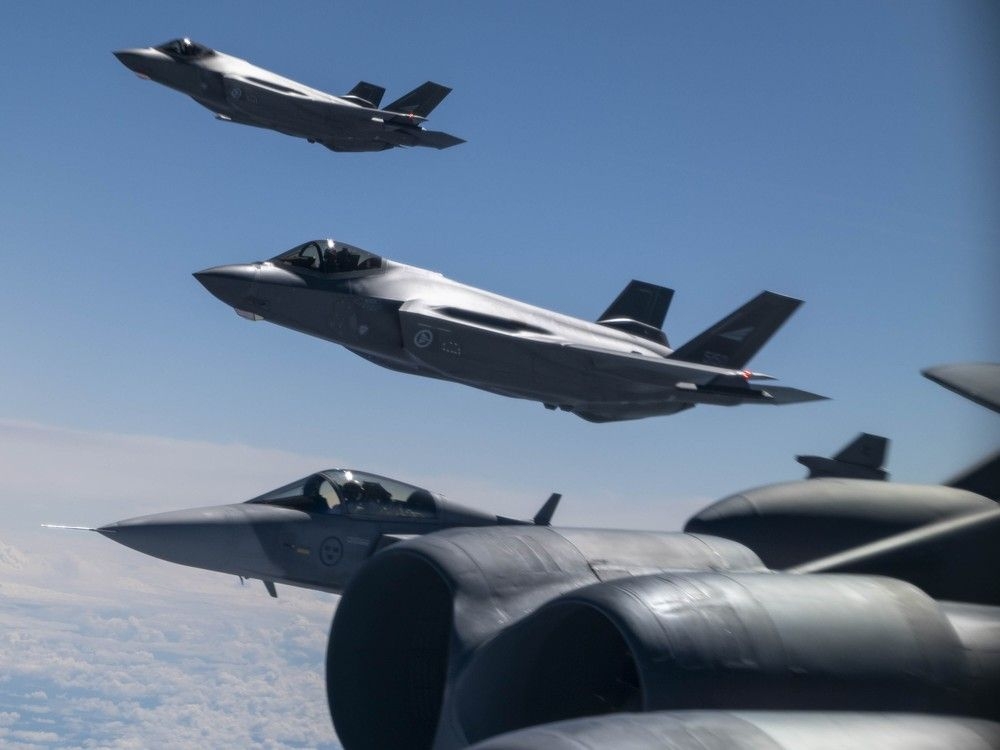
Three key U.S. allies – Britain, France, and Germany – have signaled their readiness to defend their interests and those of their partners. Their statement outlined a willingness to potentially engage in defensive action to dismantle Iran’s capacity to launch missile and drone attacks from their origin points, coordinating closely with the United States and regional allies.
The death of Ayatollah Ali Khamenei has unleashed a period of intense uncertainty within Iran. While officials scramble to navigate a future without a designated successor, pockets of celebration have erupted among Iranians long burdened by political repression. This internal shift coincides with a surge of global reaction, from protests in the streets to urgent diplomatic meetings.
Pope Leo XIV, the first American pontiff in history, has voiced “profound concern” over the escalating violence, imploring all parties to halt the “spiral” before it descends into an “irreparable abyss.” His plea reflects a growing international anxiety about the potential for a wider, devastating conflict.
The situation is acutely felt by those directly in harm’s way. A French naval base in Abu Dhabi sustained damage from a drone strike, and British military personnel in Bahrain narrowly avoided attack, with Iranian missiles and drones passing within yards of their location. Reports of missile launches towards Cyprus, though disputed by Cypriot officials, further illustrate the expanding reach of the conflict.
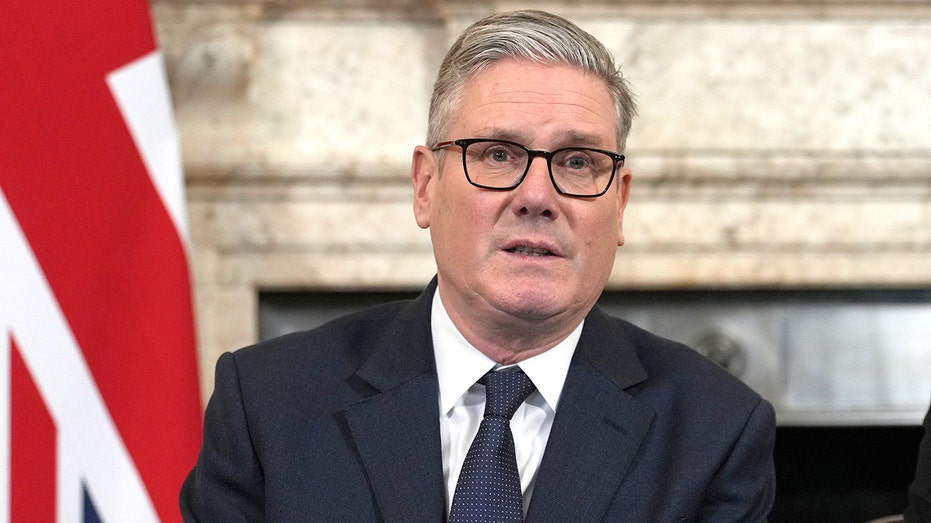
While the United Kingdom has agreed to allow the U.S. to utilize its bases for counterattacks against Iran’s missile infrastructure, it has stopped short of directly participating in strikes. Emergency meetings are underway among European Union diplomats, grappling with the implications of Khamenei’s death and charting a course for the bloc’s response.
EU foreign policy chief Kaja Kallas acknowledged the seismic shift in Iran, stating that the Supreme Leader’s death has opened a “path to a different Iran,” one where its citizens might have a greater voice in shaping their own destiny. This sentiment, however, is tempered by the immediate reality of escalating hostilities.
Many nations, wary of further straining relations, have offered cautious responses, condemning Iran’s retaliation while avoiding direct criticism of the initial strikes. The Arab League denounced the Iranian attacks as a “blatant violation of sovereignty,” echoing its historical condemnation of actions that threaten regional stability.
The United Arab Emirates, having experienced direct attacks, has closed its embassy in Iran and withdrawn its diplomatic mission, issuing a stark warning to Tehran to “return to your senses” and engage with its neighbors responsibly. Gulf states are asserting their right to self-defense under international law.
Russia and China have sharply criticized the killing of Khamenei, denouncing it as a violation of international law and human morality. Both nations emphasized the importance of upholding the principles established after World War II and condemned attacks on sovereign states without U.N. Security Council authorization.
The unrest is not confined to the Middle East. Protests, both in outrage and celebration, have erupted worldwide. Clashes in Pakistan and storming of the U.S. Consulate in Karachi resulted in fatalities, while demonstrations in Iraq, Istanbul, and India reflect the deep emotional resonance of the events.
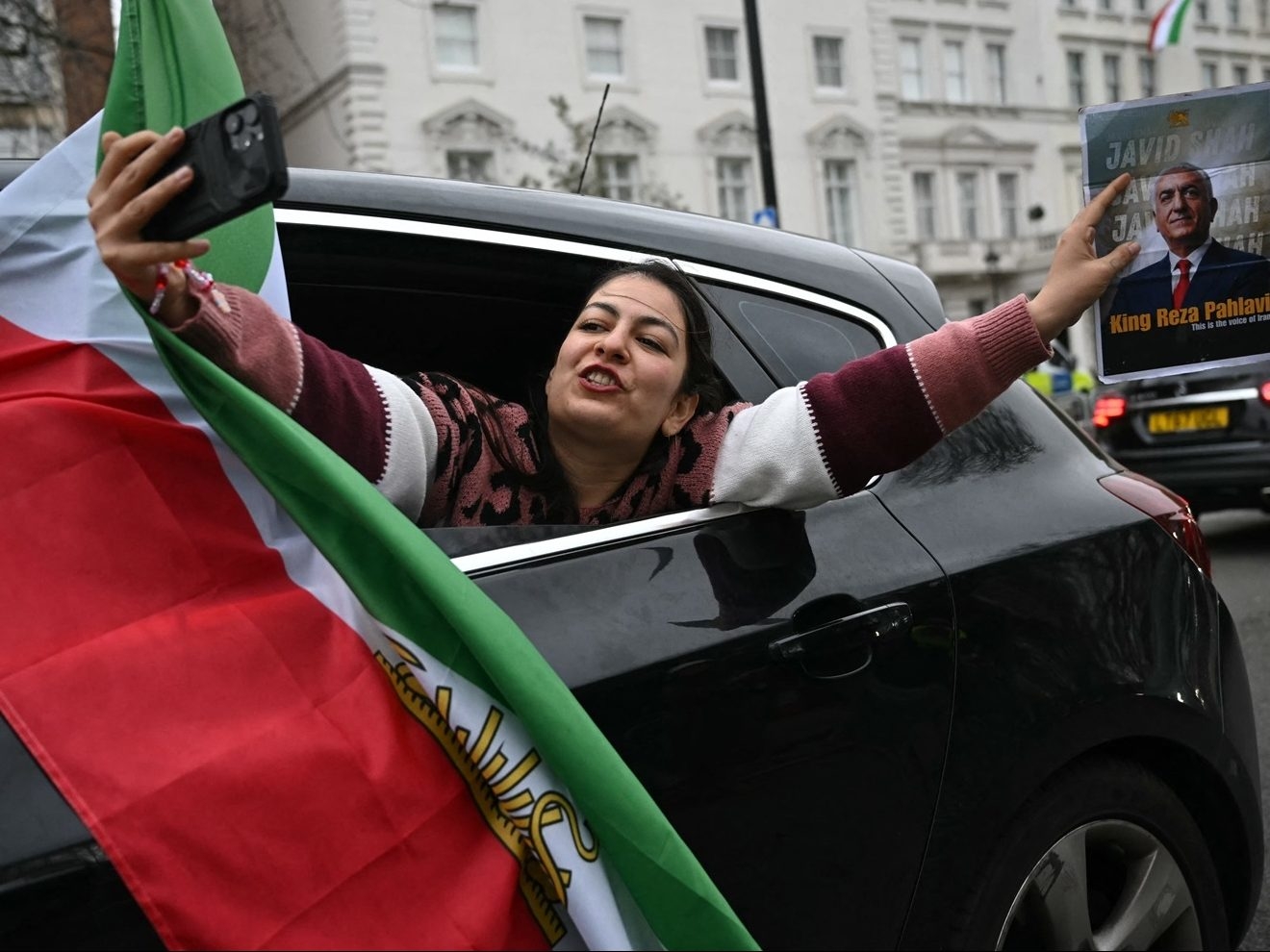
In cities across the West – New York, Berlin, Paris, and Vienna – members of the Iranian diaspora and their supporters have taken to the streets, celebrating the end of Khamenei’s rule, some even waving flags of the former Iranian monarchy alongside those of the United States and Israel.