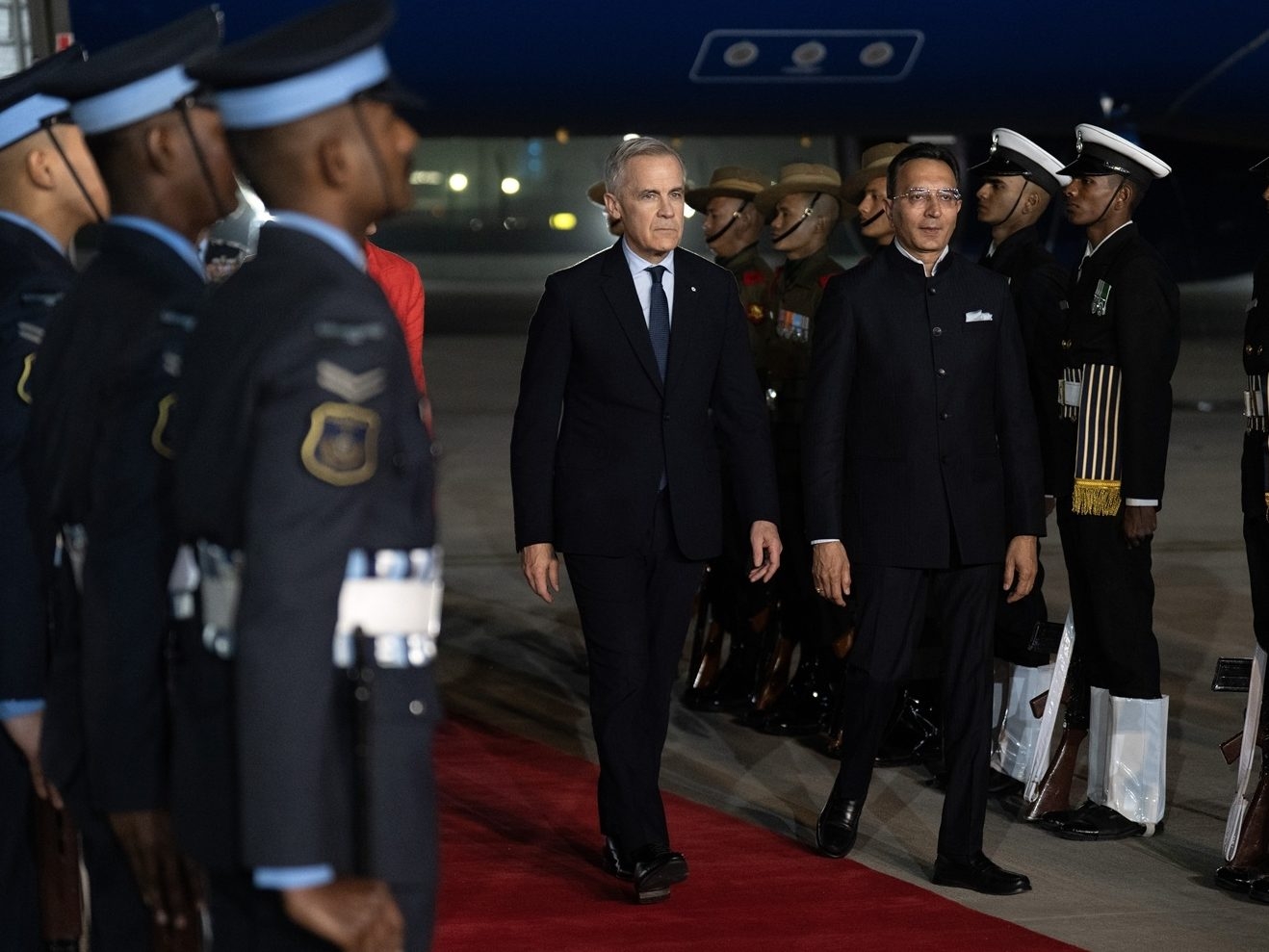
Prime Minister Mark Carney arrived in New Delhi under a dramatic sky, stepping onto a red carpet unfurled before an Indian military honour guard. The air vibrated with the rhythm of Bihu dancers, their performance a vibrant welcome set against a backdrop showcasing images of Carney and Prime Minister Modi – a visual promise of renewed ties.
The visit wasn’t solely ceremonial. Carney aims to forge a comprehensive trade deal with India, a pact projected to dramatically increase bilateral trade by 2030. Sunday was dedicated to crucial meetings with leaders of India’s energy and financial sectors, laying the groundwork for potential economic collaboration.
However, the shadow of escalating conflict in the Middle East loomed large over the diplomatic mission. Carney affirmed Canada’s support for U.S. actions against Iran, yet firmly stated Canada would maintain a position of non-direct involvement in the unfolding crisis.
The situation intensified with unconfirmed reports of the death of Iran’s Supreme Leader, Ayatollah Ali Khamenei, sending ripples of urgency through the Canadian delegation. Communication became paramount, and a heightened state of alert was implemented.
A peculiar incident unfolded aboard the flight to New Delhi. Government representatives and members of the press, already utilizing temporary communication devices for security, discovered their personal laptops and phones had been moved from their designated storage location.
Canadian security officials explained the relocation was a precautionary measure, anticipating a potential need for emergency communications. While assurances were given that press devices remained secure and untouched, the disruption sparked a frantic search throughout the aircraft.
Foreign Affairs Minister Anita Anand issued a strong condemnation of Iran’s attacks on regional partners, pledging support for Qatar and the United Arab Emirates as they defended against escalating aggression. She also urged Canadian citizens in Iran to seek shelter.
Carney himself characterized Iran as a destabilizing force in the Middle East, emphasizing the imperative to prevent the nation from developing nuclear weapons. The rhetoric mirrored concerns voiced by U.S. President Donald Trump, who cited decades of grievances as justification for military action.
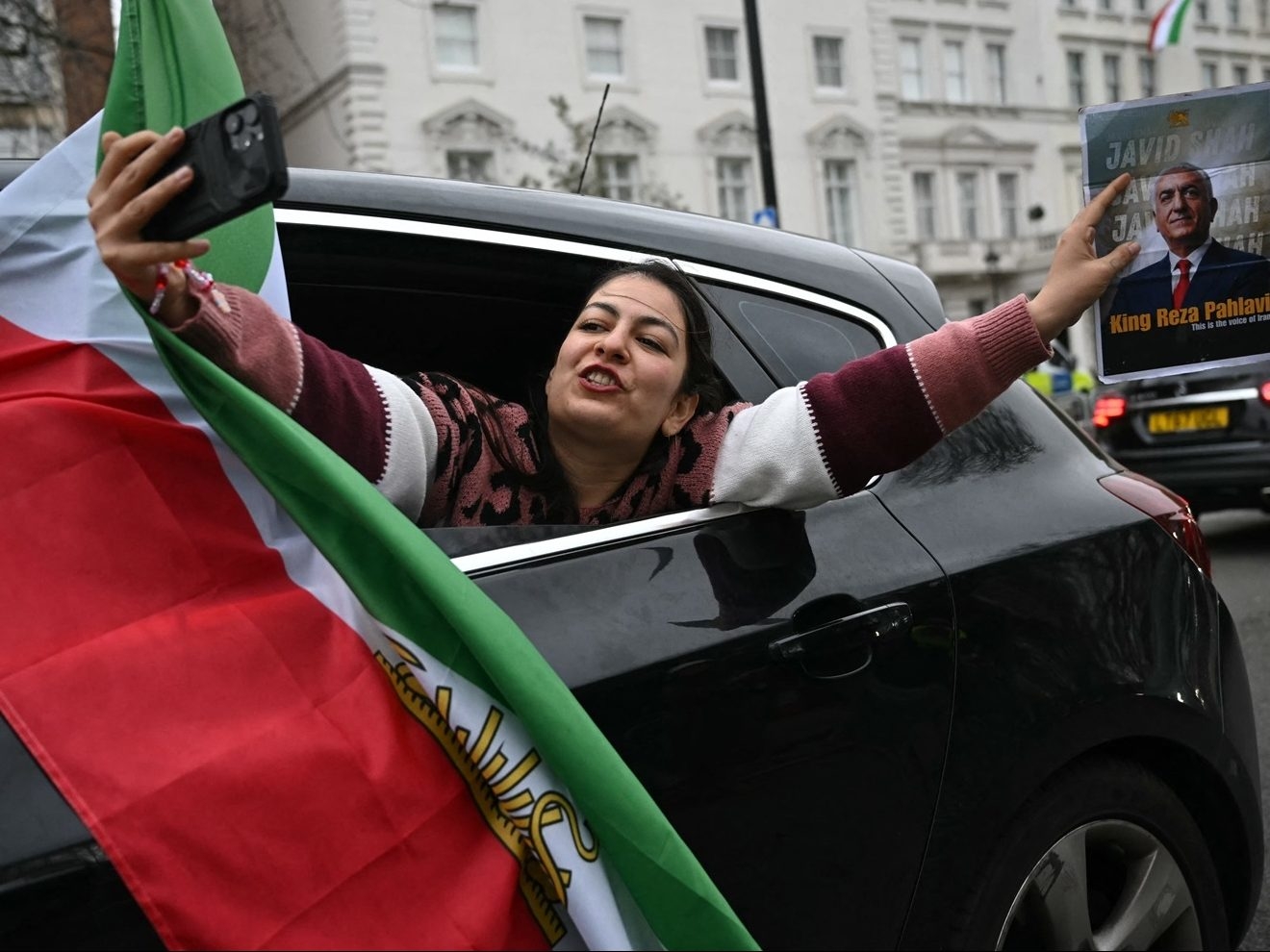
The potential for retaliation from Iran sparked serious security concerns. Experts warned of a heightened risk of “transnational repression,” specifically targeting Iranian-Canadian dissidents and activists – a pattern of harassment and cyberattacks already observed in Canada and other Western nations.
The stakes are exceptionally high. With the regime potentially facing an existential threat, analysts believe Iran may unleash its full cyber capabilities against perceived enemies. The House of Commons previously condemned an alleged Iranian plot to assassinate a former Canadian cabinet minister, underscoring the real and present danger.
The situation demands vigilance. As Carney pursues diplomatic and economic goals in India, the specter of a widening conflict and the threat of retaliatory attacks cast a long shadow, forcing a delicate balance between international engagement and national security.