The dream of higher education is fracturing for many Ontario students, threatened by sweeping changes to financial aid. For some, the path to a degree now looks like a precarious tightrope walk between attending classes and spiraling into debt, or even being forced to abandon their studies altogether.
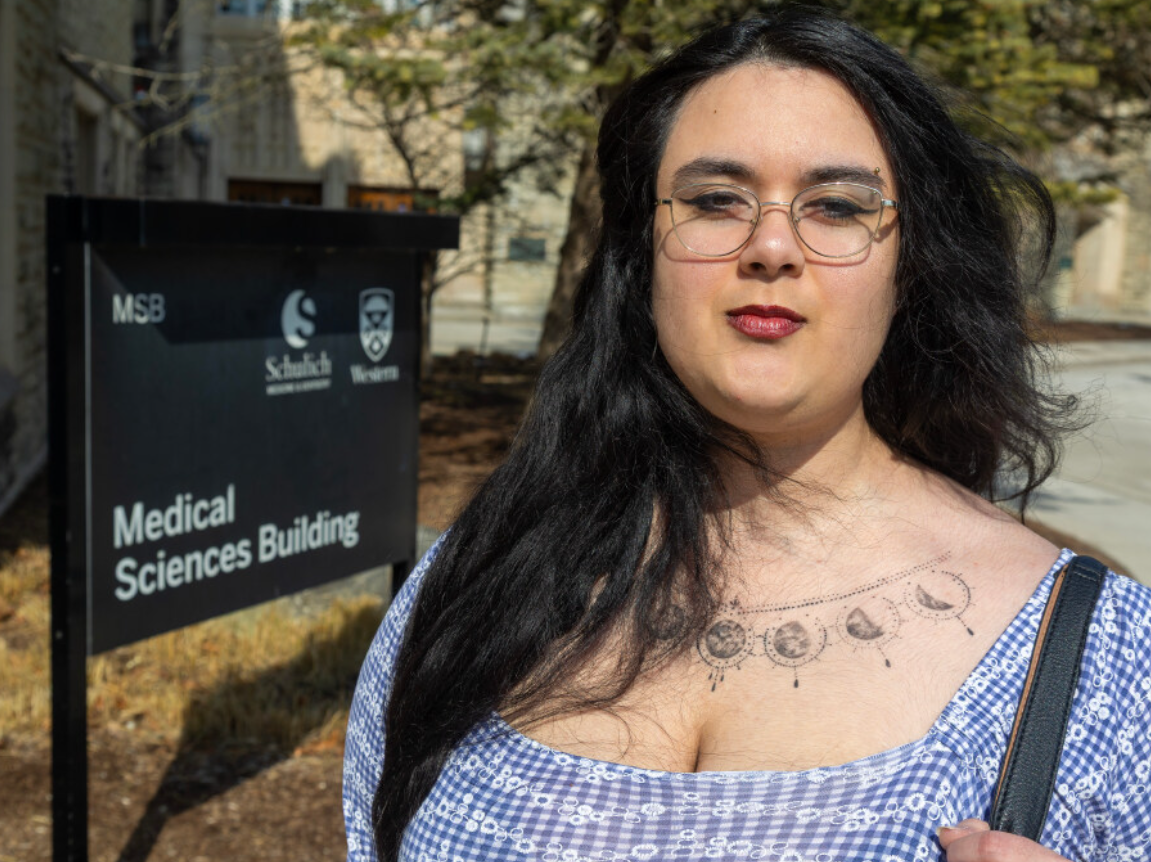
Zayah Samad, a fourth-year student at Western University, understands this reality intimately. She credits the Ontario Student Assistance Program (OSAP) with making her university education possible, and now she’s leading protests against the reforms, fearing they will slam the door on opportunities for others.
The core of the issue lies in a dramatic shift in how student financial aid is distributed. Previously, students with the greatest financial need could receive up to 85% of their assistance as grants – money they wouldn’t have to repay. Now, that figure is capped at 25%, with the remainder coming in the form of loans.
This change isn’t happening in isolation. The province has also ended a tuition freeze, allowing universities and colleges to raise tuition fees by up to two percent annually. While the government promises an additional $6.4 billion for the post-secondary sector, critics argue it’s insufficient to offset the impact of these changes and address existing deficits.
The consequences are already weighing heavily on students like Jerry Peng, a York University student and Fanshawe College culinary program graduate. He relies heavily on OSAP and faces the agonizing possibility of being forced to drop out and return to work if the changes take effect this fall.
The reforms are framed by Premier Doug Ford as a matter of accountability, a way to prevent misuse of taxpayer money. He argues that access to funding isn’t an entitlement. But opponents see it as a fundamental issue of fairness and accessibility.
Ontario NDP Leader Marit Stiles has sharply criticized the changes, calling them “an attack on post-secondary education.” She warns that saddling a generation with debt will stifle economic growth and exacerbate existing inequalities, especially given Canada’s high youth unemployment rate and soaring cost of living.
Students are responding with organized resistance. Protests are taking place, and information flyers are being distributed, aiming to raise awareness about the potential impact of these reforms on the future of higher education in Ontario. The fight to keep the dream alive is just beginning.
For many, the changes represent a stark choice: pursue an education and risk a lifetime of debt, or forgo the opportunity altogether. This isn’t just about finances; it’s about the future of a generation and the potential lost to a system that’s becoming increasingly inaccessible.