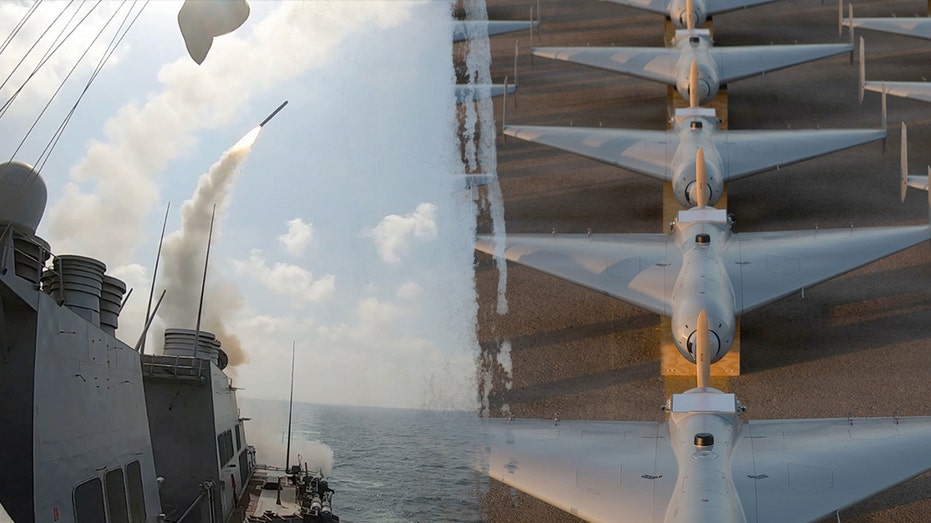
The world watched with mounting anxiety as the Strait of Hormuz erupted into a zone of intense conflict. Following reported U.S.-Israeli strikes within Iran, dubbed Operation Epic Fury, the critical waterway became a focal point for escalating tensions and direct attacks on maritime traffic.
Days before the outbreak, U.S. maritime authorities issued a stark warning to commercial vessels. They advised ships to avoid the Persian Gulf, Gulf of Oman, and Arabian Sea, citing a rapidly deteriorating security landscape. The advisory underscored a growing sense of impending danger in these vital shipping lanes.
The Persian Gulf is now demonstrably the most perilous location for commercial shipping. Vessels are actively attempting to distance themselves from Iranian waters, seeking safety in open seas. This mass exodus reflects a palpable fear among ship operators and crews.
Sunday saw a series of alarming incidents reported by the United Kingdom Maritime Trade Operations and regional authorities. These were categorized as “attacks” on multiple vessels navigating the area, signaling a clear and present threat to maritime commerce.
West of Sharjah, UAE, a vessel shuddered from a nearby explosion, the source of the projectile remaining unknown. Further north, near Muscat, Oman, a tanker was struck above the waterline, erupting in flames that were eventually contained. A third vessel, northwest of Mina Saqr, UAE, also suffered a hit and subsequent fire.
Beyond the physical attacks, a disturbing surge in electronic warfare is crippling navigation systems. Maritime intelligence revealed widespread interference with GPS and Automatic Identification Systems (AIS), impacting over a thousand ships in the region.
Near Iran’s Bandar Abbas port, ships are experiencing severe navigational disruption. AIS data shows vessels falsely appearing in impossible locations – airports, nuclear facilities, and even inland areas. New jamming clusters have been identified across the waters of the UAE, Qatar, Oman, and Iran.
In response to the escalating danger, major shipping companies like Maersk have begun rerouting services. The safety of crew and cargo is paramount, prompting a shift away from the increasingly volatile region. Traffic is already thinning, with tankers altering course or even disabling AIS signals to avoid detection.
Adding to the complexity, warnings have surfaced regarding potential Houthi retaliation in the Red Sea and Gulf of Aden. Analysts suggest Iran might target vessels with ties to U.S. or Israeli interests, though the risk of collateral damage remains significant.
Industry groups are bracing for a possible resurgence of Houthi attacks, while acknowledging the immediate situation remains fluid. Despite the current absence of sea mines or naval blockades, the possibility of Iran closing the Strait of Hormuz remains a looming threat.
The situation is further complicated by a dramatic increase in GPS interference, directly correlated with the commencement of hostilities. Roughly 20% of the world’s oil and gas supply transits the Strait of Hormuz, making its security a matter of global economic stability.