A seismic shift has occurred in the Middle East, triggered by a joint U.S.-Israeli operation that resulted in the death of Iran’s Supreme Leader, Ayatollah Ali Khamenei. The world now holds its breath as the region teeters on the brink of wider conflict.
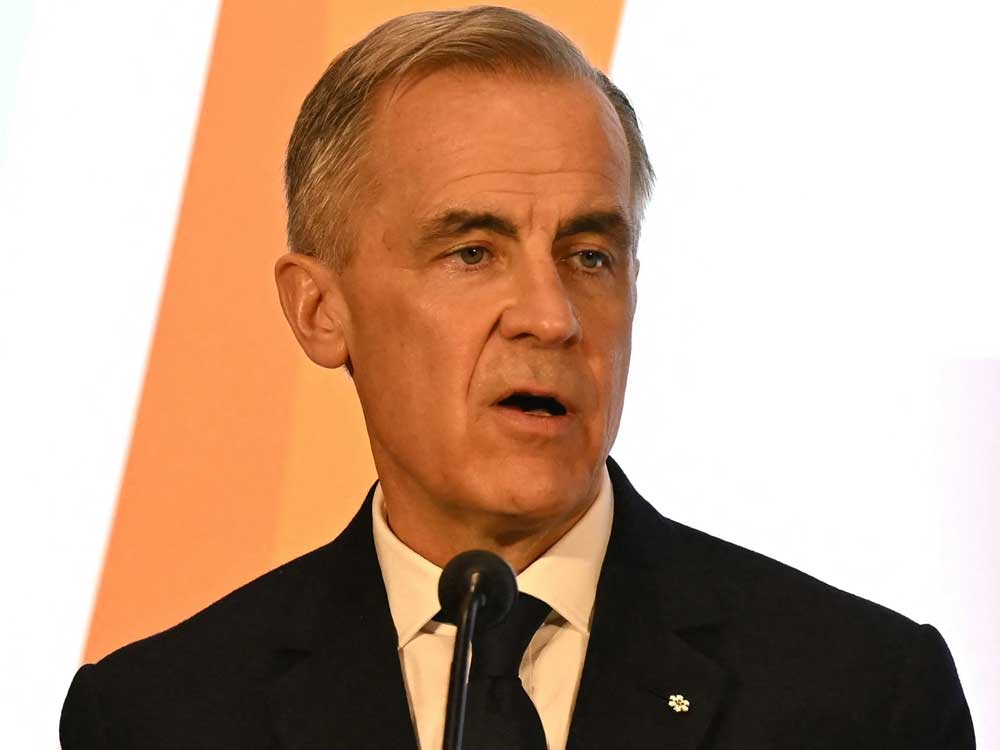
Prime Minister Mark Carney affirmed Canada’s support for the United States’ actions, citing the need to prevent Iran from developing nuclear weapons and destabilizing international security. However, he was clear: Canada will not be directly involved in military operations.
The Prime Minister emphasized that Canada was not part of the initial military planning or buildup, and does not foresee a change in that position. This stance underscores a commitment to diplomatic solutions while acknowledging the gravity of the situation.
For months, Canada has consistently urged Iran to dismantle its nuclear program and cease support for groups deemed to be terrorist proxies. Despite repeated diplomatic efforts, these calls have gone unanswered, fueling escalating tensions.
The government’s immediate priority is the safety of Canadians abroad. A statement released jointly with Foreign Affairs Minister Anita Anand pledged to take every possible measure to protect Canadian citizens and diplomatic missions throughout the region.
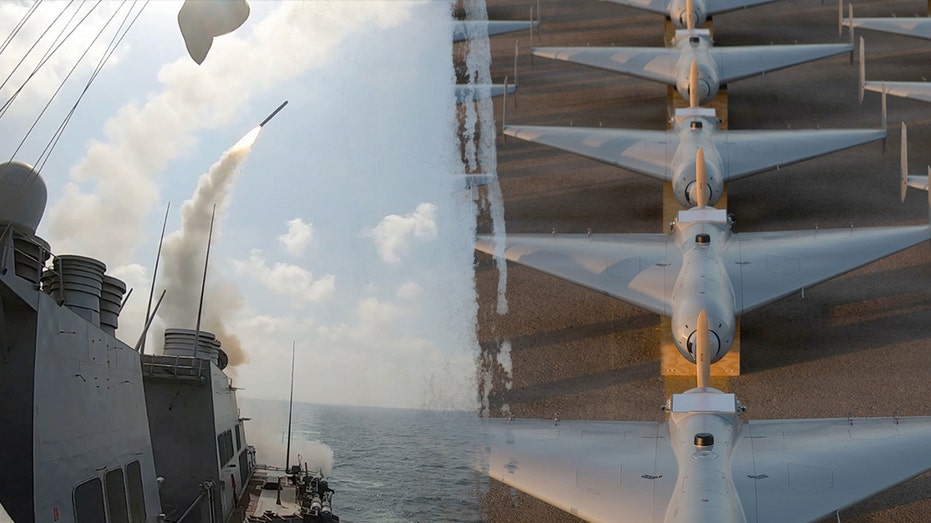
As the conflict entered its second day, with Iran retaliating with missile and drone attacks, Canadian authorities issued a stark warning to citizens. The Canadian Association of Chiefs of Police urged vigilance, recognizing that geopolitical instability can inspire extremist activity.
While there is currently no specific threat to Canada, authorities stressed the importance of awareness and prompt reporting of any suspicious activity. The potential for the conflict to ignite hate-fueled violence remains a serious concern.
The fallout from the escalating conflict is already being felt globally, most acutely by travelers. Hundreds of thousands are stranded as airspace across the Middle East has been effectively shut down.
Air Canada has cancelled flights to Tel Aviv and Dubai, advising passengers not to travel to airports in those locations. Pearson International Airport is bracing for significant delays and cancellations, urging travelers to verify their flight status before departing for the airport.
The airspace closures encompass Israel, Qatar, Syria, Iran, Iraq, Kuwait, Bahrain, Oman, and the United Arab Emirates. Reports are emerging of attacks on airports in Dubai, Abu Dhabi, and Kuwait, resulting in injuries and, tragically, at least one death.
Canada has issued travel advisories, urging citizens to avoid all travel to a vast swathe of the Middle East, including Lebanon, Israel, Gaza, the West Bank, Iraq, Qatar, Bahrain, the United Arab Emirates, Kuwait, Iran, Syria, and Yemen. Non-essential travel to Oman, Saudi Arabia, and Jordan is also discouraged.
The situation remains incredibly fluid and dangerous. Beyond the immediate conflict, the long-term consequences for regional stability and global security are profound and uncertain.