A dangerous tension is tightening its grip on the Horn of Africa, and at its heart lies a fundamental struggle: water security. This isn't simply about drought or scarcity; it's about a region teetering on the brink, where access to the life-giving waters of the Nile is increasingly viewed as a matter of survival, power, and even war.
The Nile River basin, shared by nearly a dozen nations, has become a focal point for escalating disputes. For millennia, these countries navigated shared challenges, working together to utilize the river’s resources for the benefit of all. But that era of cooperation is fading, replaced by suspicion and escalating claims.
Experts warn the risk of renewed hostilities, particularly involving Ethiopia and Eritrea, remains alarmingly high. Despite a recent peace deal, the potential for conflict is “almost imminent” without swift intervention. The situation is a complex web of alliances and counter-accusations, fueled by the competition for control of this vital resource.
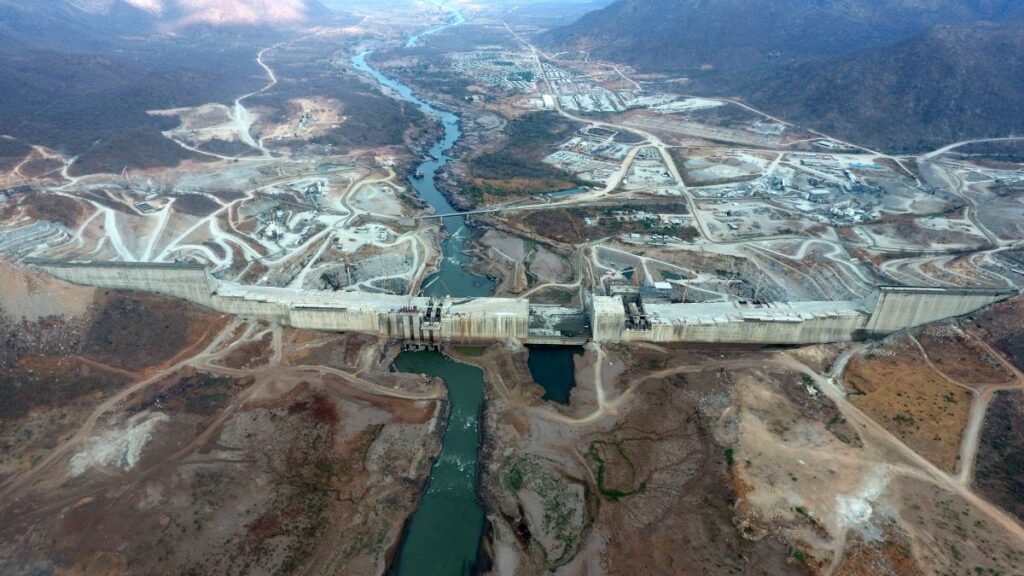
Sudan accuses Tigray of aligning with Eritrea, which in turn is strengthening ties with Egypt – Sudan’s primary rival in the dispute over Nile waters. It all circles back to the same core issue: who controls the Nile, and how will its waters be distributed? The inauguration of Ethiopia’s Grand Ethiopian Renaissance Dam (GERD) last year has only intensified these fears.
Egypt, historically dominant in its control over the Nile, fears GERD will not only challenge its practical access to water but also its regional political influence. To bolster its position and secure support against the dam, Egypt is reportedly backing forces in Sudan’s ongoing conflict and extending security support to Somalia, effectively drawing lines in the sand.
Recognizing the gravity of the situation, the African Union has placed water security at the very top of its agenda for 2026. The summit’s theme – “Assuring Sustainable Water Availability and Safe Sanitation Systems” – reflects a growing understanding that water is no longer just an environmental concern, but a critical pillar of economic stability, climate resilience, and regional peace.
The challenge is immense. Ninety percent of Africa’s surface water flows through transboundary basins, demanding cooperation and treaties to manage effectively. Yet, existing agreements often favor Egypt and Sudan, leaving other nations with uncertain access. This imbalance fuels resentment and contributes to the escalating tensions.
Climate change is exacerbating the problem, stressing already fragile water systems and disproportionately impacting communities reliant on rain-fed agriculture. Water scarcity is directly linked to food insecurity, displacement, and even the recruitment of individuals by extremist groups like Boko Haram and al-Shabab.
Ethiopia, the source of 86 percent of the Nile’s water, finds itself in a paradoxical situation. Despite possessing this vast resource, over half of its 130 million citizens lack access to electricity. The GERD project, while raising concerns downstream, is intended to address this critical need, generating power without consuming the water itself.
The dam’s turbines, experts explain, allow the water to flow onward to lower riparian countries after generating electricity. This highlights the potential for shared benefit, but requires trust and a willingness to move beyond historical claims and colonial-era agreements. Numerous treaties, from the 1929 Exchange of Notes to the more recent Nile Basin Cooperative Framework Agreement, have attempted to address these issues, but a lasting solution remains elusive.
As one analyst succinctly put it, water is rapidly becoming “a commodified and securitised resource” – a humanitarian crisis, a climate crisis, and increasingly, a threat to peace and security. The future of the Horn of Africa may well depend on whether nations can find a way to share this precious resource, or succumb to the escalating pressures of conflict.