A new dawn has broken for Tanzania’s energy landscape with the activation of the Kishapu 150-megawatt solar plant – the nation’s first major solar farm. This isn’t simply about megawatts; it’s about unlocking potential, powering dreams, and charting a course towards a brighter, more sustainable future for millions.
The launch, announced by Energy Minister Dr. Doto Biteko, signals a bold shift away from reliance on traditional hydropower and natural gas. The project unfolded in two phases, initially delivering 50 megawatts in January, now surging to a total of 150, directly responding to President Samia Suluhu Hassan’s call for diversified energy sources.
Shinyanga Region is rapidly transforming into a power hub, bolstered by Kishapu and existing stations like Ibadakuli, Bulyanhulu, and Buzwagi. This concentrated energy capacity promises to ignite economic growth, particularly in mining and agriculture, according to local District Commissioner Peter Masindi.

Beyond national needs, Tanzania is now strategically positioned to export power. Dr. Biteko revealed plans to increase output at the Ibadakuli station, forging cooperation agreements with neighboring East African countries. A crucial 400 kV transmission line is already under construction, linking Tanzania to Uganda via Kagera.
However, the journey isn’t without its challenges. Despite the significant gains, electricity access remains uneven. Dr. Biteko urged contractors working on rural electrification projects to accelerate their efforts, acknowledging that 127 villages in Shinyanga Region still await connection to the grid.
The Kishapu plant is just one piece of a larger, ambitious clean energy strategy. Tanzania is also investing heavily in geothermal projects in Songwe and Mbeya, alongside a 100-megawatt wind power project in Makambako, demonstrating a commitment to a diverse and resilient energy portfolio.
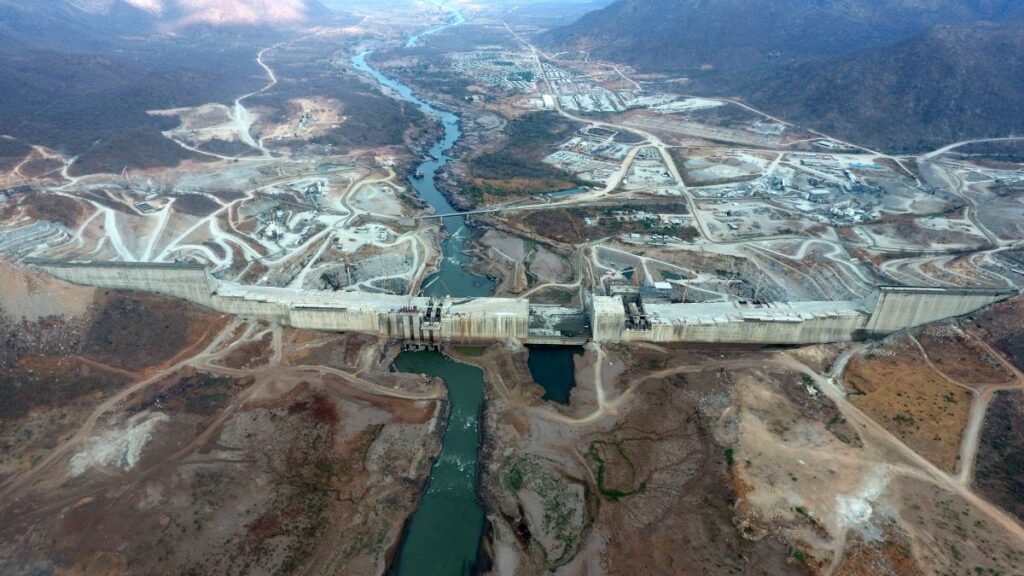
Tanzania’s total installed capacity now exceeds 4,000 megawatts, a remarkable increase fueled in part by the 2,115MW generated by the Julius Nyerere Hydropower Plant. Currently, hydro accounts for approximately 67 percent of the nation’s power, with natural gas contributing 29 percent, and solar, biomass, and heavy fuel oil filling the remainder.
Parliamentary committees have expressed strong satisfaction with the nation’s progress, noting that current electricity generation significantly surpasses demand. The goal is ambitious – to reach 8,000 megawatts by 2030 and become a regional energy exporter, a vision championed by TANESCO and supported by declining power outage incidents.
The impact extends beyond major cities. Companies like TAMGO Tanzania are deploying off-grid and mini-grid solar solutions, bridging the energy gap in remote rural areas. Tanzania’s abundant sunshine – averaging 2800-3500 hours annually – makes solar a uniquely viable and reliable energy source.
Falling solar technology costs are further accelerating adoption, transforming solar from a costly alternative into a long-term economic investment. As more Tanzanians embrace solar, the nation moves closer to energy independence and a sustainable future powered by the sun.