A seismic shift is underway in the global music landscape. Afrobeats, once a regional sound, is rapidly solidifying its position as a powerful asset class, attracting attention – and investment – from around the world. Spotify data reveals a staggering 550 percent increase in Afrobeats streams, signaling a cultural explosion with significant economic potential.
The creative economy across Africa is poised for unprecedented growth, projected to reach a remarkable $200 billion by 2030. This isn’t simply about music; it’s about a vibrant ecosystem encompassing fashion, film, gaming, and more, all fueled by the energy and innovation of a continent.
This burgeoning industry is attracting substantial financial backing. Afreximbank has committed a billion-dollar initiative to bolster creative industries, recognizing Afrobeats as a key driver of economic development. IFC and Sony Group have also joined the fray, establishing a fund dedicated to investing in Africa’s creative sector.
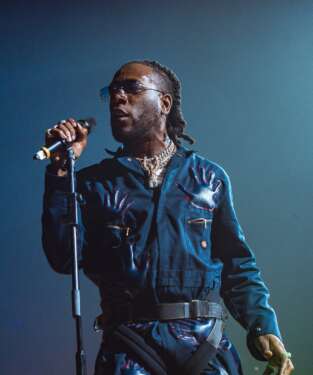
The global recognition of Afrobeats is undeniable. For the first time, a record twelve African artists from four nations received Grammy nominations, a testament to the genre’s expanding influence and artistic merit. This isn’t just a musical trend; it’s a cultural phenomenon reshaping global perceptions.
Major industry players are taking notice. Universal Music Group’s acquisition of Mavin Global, valued between $150 and $200 million, demonstrates the serious financial interest in African talent and infrastructure. Other key companies, like Africori and Mdundo, are also experiencing significant investment and growth.
However, a critical question looms: is Africa capturing its fair share of the wealth generated by its most successful cultural export? A recent Harvard report warns that without proactive measures, the continent risks losing billions, as the benefits flow primarily to foreign entities.
Outdated stereotypes continue to hinder investment, portraying Africa as a region defined by poverty and conflict. Africa No Filter estimates that these negative narratives cost the continent $4.2 billion annually in higher interest rates, stifling economic progress.
Changing perceptions is paramount. The Brookings Institution highlights the potential for monetizing Afrobeats through streaming, concerts, brand partnerships, and intellectual property rights. Streaming revenue alone grew by 22.6 percent, reaching $110 million, with two-thirds originating from digital platforms.
Despite this growth, significant challenges remain. Poor royalty collection, ownership disparities – with many artists signed to foreign labels – and high data costs within Africa impede the full realization of economic benefits. A substantial portion of royalties goes unclaimed due to inefficient systems and data management.
Innovative solutions are emerging. “Rights-Tech” platforms utilizing AI and blockchain technology are streamlining royalty audits and protecting intellectual property. Bundling music with other creative industries – a “Cultural Export” approach – can also ensure that revenue reaches artists and their home countries.
Experts emphasize the need for “re-collection” of unclaimed royalties, turning fragmented data into tangible income for artists. Platforms capable of identifying and recovering this hidden revenue have the potential for significant growth and impact.
Policymakers across Africa must recognize cultural exports as a vital revenue stream and actively support the growth of Afrobeats. The global recorded music industry has experienced ten consecutive years of growth, with streaming poised to generate nearly $500 million in Africa by 2025.
The International Federation of the Phonographic Industry (IFPI) urges African governments to protect music and artistry, and to harness the power of AI to enhance, not replace, human creativity. Supportive policies and regulations are crucial for ensuring artists receive their due compensation.
A key concern is the unauthorized use of copyrighted music to train AI models. Protecting intellectual property rights is essential for fostering a sustainable and equitable creative ecosystem.
Ultimately, the future of Afrobeats – and Africa’s creative economy – hinges on decisive action. As one expert warns, without a concerted effort to address structural flaws and capture its rightful share of the wealth, Africa risks losing billions from its most globally influential cultural asset.