A quiet revolution is unfolding in Ethiopia, transforming its markets and signaling a new era of economic opportunity. For decades, strict controls limited foreign investment, but a bold shift towards liberalization is now attracting global giants and reshaping the consumer landscape.
The arrival of Carrefour, the renowned French retailer, isn’t just another store opening; it’s a powerful vote of confidence in Ethiopia’s potential. This move signifies a turning point, attracting investors beyond traditional resource extraction and towards the dynamic energy of a rapidly growing consumer base.
Ethiopia’s economy is rebounding, fueled by a rising middle class with increasing disposable income. This surge in local purchasing power is the engine driving the retail revolution, promising significant growth in the years ahead.
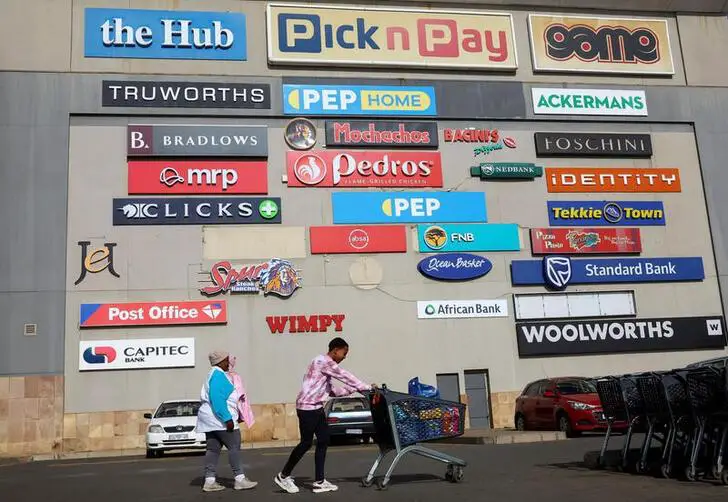
Experts predict consumer spending will reach a staggering $160.5 billion by 2026, a testament to the untapped potential within this nation of over 135 million people. This isn’t simply about more spending; it’s about evolving consumption patterns and a demand for modern retail experiences.
Carrefour’s partnership with local firm Queens Supermarket PLC will see the rebranding of stores and the introduction of new products, a process expected to accelerate with the opening of 17 additional locations by 2028. This collaboration blends international expertise with local knowledge, creating a powerful synergy.
However, this growth isn’t without its challenges. Increasing competition, the costs of adopting advanced technologies like Artificial Intelligence, and the emergence of new retail models all pose potential hurdles. Retailers are responding by focusing on efficiency, scale, and expanding into e-commerce.
The liberalization of Ethiopia’s retail and wholesale industries in 2024, with clearly defined investment terms, proved to be a pivotal moment. It signaled to the world that Ethiopia was open for business, creating an enabling environment for foreign investment.
Disinflation, with a dramatic drop in inflation from 20% to 9.7% in recent years, has further boosted consumer confidence and purchasing power. This economic stability is a key factor attracting investors and fueling the retail boom.
Philip Kotler, a leading marketing expert, emphasizes that modern retail isn’t just about advertising; it’s about controlling distribution, pricing, and the overall customer experience. Carrefour’s arrival promises to bring all three to a market previously characterized by inefficiency and limited choice.
This transformation echoes the principles outlined in “The Fortune at the Bottom of the Pyramid,” which highlights the immense, untapped demand within emerging markets. Ethiopia is now poised to capitalize on this potential, moving beyond an underdeveloped market to a thriving consumer economy.
The United Nations Global Compact CEO, Sando Ojambo, points to the broader trend of liberalization in sectors like banking and telecommunications as catalysts for private sector engagement. This positive environment is fostering growth not only for large corporations but also for small and medium-sized enterprises.
The visible economic boom in Addis Ababa – from real estate to restaurants – is a tangible sign of this progress. Ojambo stresses the importance of creating enabling investment opportunities and mobilizing domestic capital to further accelerate growth across the continent.
Ultimately, Ethiopia’s story challenges the prevailing narrative of risk surrounding African investment. It demonstrates that with the right policies and a commitment to liberalization, Africa is not just a promising market, but a dynamic engine of economic growth.