In 2026, Africa’s economic narrative isn’t a story of a single powerhouse, but a vibrant mosaic of national successes unfolding simultaneously. Some nations are clawing their way back from hardship, others are capitalizing on abundant natural resources, and still others are forging ahead through ambitious reforms. Together, these diverse trajectories are shaping a continent poised for significant growth.
Projections suggest Africa could expand by roughly 4 percent in 2026, exceeding the anticipated global average of 2.7 percent. East Africa leads the charge, with forecasts pointing to a robust 5.8 percent growth. However, these broad figures only hint at the true complexity and dynamism at play.
The real story lies within the experiences of ten countries, each charting a unique course toward prosperity. Their growth trajectories offer compelling insights into the diverse forces reshaping the African economic landscape.

South Sudan’s remarkable projected growth – between 5 and 7 percent – isn’t born of effortless progress, but of dramatic recovery. Years of pipeline disruptions and regional instability crippled its oil exports, the lifeblood of its economy. Now, infrastructure restoration is reviving output and stabilizing exports, resulting in a significant rebound.
This growth is as much a mathematical consequence of past contraction as it is a result of physical rebuilding. When a nation has fallen so far, even partial recovery can yield impressive percentage gains. Government revenue and foreign exchange are bolstered by oil and gas, while reconstruction spending provides a short-term economic stimulus.
However, South Sudan’s future remains uncertain. Policymakers recognize the economy’s heavy reliance on volatile hydrocarbon prices and the ever-present threat of political shocks. True sustainability hinges on reinvesting oil wealth into education, infrastructure, agriculture, and strengthening institutional capacity.
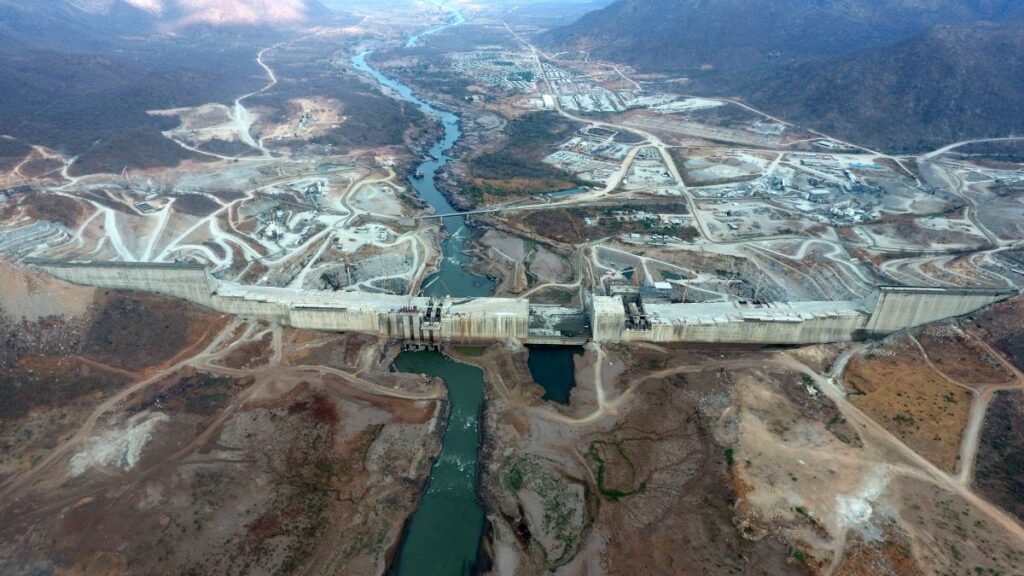
Ethiopia, with its population exceeding 120 million, is poised for a 10.2 percent growth surge. This reflects a potent combination of scale, ambitious reforms, and large-scale infrastructure projects. The Grand Ethiopian Renaissance Dam is central to this vision, promising to reshape the energy landscape, lower industrial costs, and boost export revenue.
Agriculture remains the cornerstone of employment and exports, but modernization efforts are focused on enhancing productivity and resilience. Strategic infrastructure investments are connecting industrial parks to ports, fostering manufacturing and attracting foreign investment.
Furthermore, technology is emerging as a key growth driver. The liberalization of telecom services and the expansion of fintech are revolutionizing financial access and fueling private sector innovation. Despite macroeconomic challenges like inflation and foreign exchange constraints, Ethiopia’s growth demonstrates the power of combining structural reform with state-led development.
Guinea’s projected growth, exceeding 10 percent, is directly linked to the global demand for bauxite, a crucial component in aluminum production. Increased demand for energy transition materials has fueled export revenue, driving modernization of ports and expansion of railway networks.
Mining investments are injecting capital into construction and logistics, facilitating not only mineral exports but also broader trade. However, Guinea’s dependence on extractive industries makes it vulnerable to fluctuating global commodity prices and external shocks.
Political stability is paramount. Investor confidence relies on regulatory certainty, stable contracts, and transparent governance. Guinea’s story highlights both the opportunities and risks inherent in resource-driven expansion, raising the critical question of whether mineral wealth can catalyze broader industrial diversification.
Senegal’s growth, projected to surpass 7 percent, is fueled by offshore energy development and infrastructure modernization. Projects like Sangomar and Greater Tortue Ahmeyim are positioning Senegal as a significant hydrocarbon producer in West Africa.
These energy revenues are expected to bolster fiscal capacity, enabling investment in social programs and infrastructure. Modernization of the port of Dakar is enhancing regional logistics competitiveness. Senegal’s growth isn’t solely reliant on extraction; urban services, telecommunications, and infrastructure expansion are diversifying the economic base.
Relative political stability further strengthens investor confidence. Responsible management of resource wealth, coupled with the promotion of non-energy sectors, is crucial for long-term sustainability as Senegal transitions into an energy-producing nation.
Uganda’s growth, also exceeding 7 percent, is built on strengthening traditional exports like coffee and gold, alongside the development of oil infrastructure and regional connectivity projects. The East African Crude Oil Pipeline and related investments are expected to significantly expand fiscal space once production reaches scale.
Improved transport corridors are enhancing connectivity with regional markets, supporting expanded trade and private sector activity. However, managing oil revenue volatility and ensuring transparent governance are critical to long-term resilience. Agriculture remains a major employer, and improving rural productivity is essential for inclusive growth.
Rwanda, achieving a projected 7.5 percent growth, stands out for its governance-led development approach. Prioritizing services, tourism, infrastructure, and information technology over large-scale extraction, Kigali has positioned itself as a conference destination and technology hub. The “Made in Rwanda” program encourages local industry and value addition.
Investment in digital infrastructure has expanded financial inclusion and fostered innovation ecosystems. Unlike commodity-dependent economies, Rwanda’s growth is rooted in human capital, regulatory efficiency, and private sector development. Continued investment in education and digital skills will be vital to maintain its competitive edge.
Niger’s growth, around 7 percent, is driven by expanding oil production and public investment in agriculture. Energy projects are expected to increase export revenues, while irrigation investments aim to protect agricultural output from climate variability. Balancing energy revenues with agricultural modernization and maintaining governance stability are key to long-term success.
Djibouti, strategically located at the gateway to the Red Sea, is experiencing high performance – between 5 and 7 percent growth – driven by its role as a logistics hub linking Ethiopia to global markets. Port services, trade corridors, and infrastructure investment are the main engines of growth, benefiting from economic expansion in neighboring countries.
Benin’s steady growth of 6.7 percent is supported by enhanced agricultural productivity, trade modernization, and the revival of its energy sector. Unlike economies reliant on resource windfalls, Benin’s path has been reform-oriented and gradual, emphasizing policy consistency and value addition in agriculture.
Côte d’Ivoire, combining agricultural strength with growing manufacturing and financial services, is projected to grow by 6.4 percent. Cocoa remains central, but infrastructure improvements and industrial growth are broadening the economic base, while Abidjan’s financial district strengthens its position as a regional banking center.