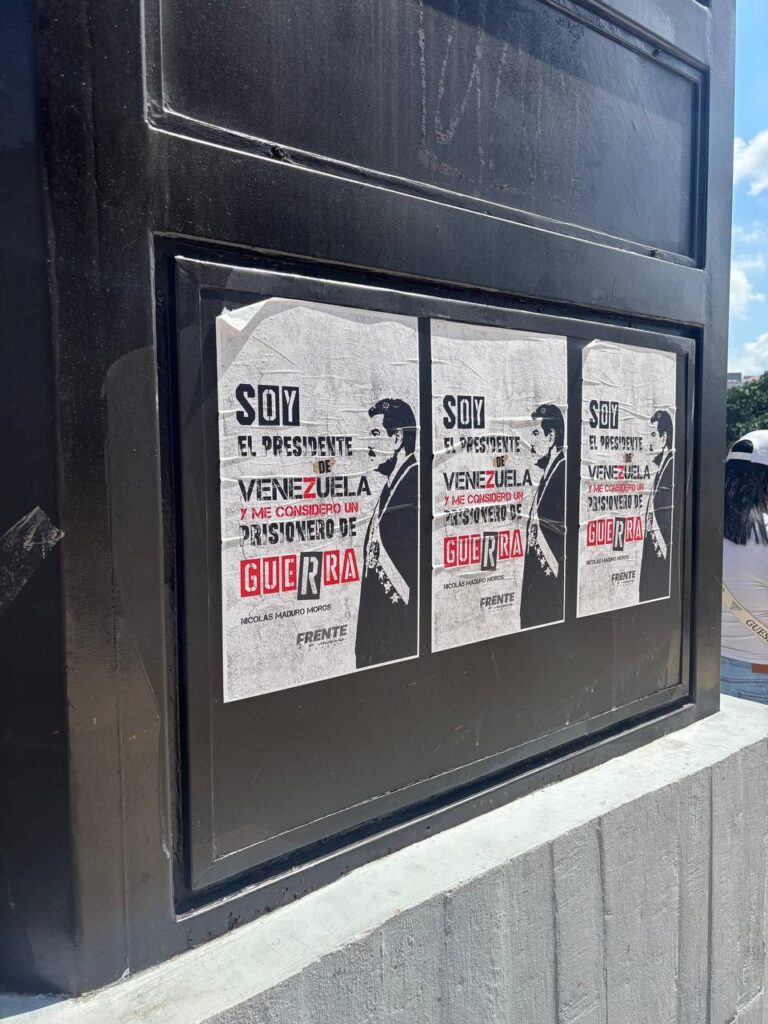
A shadow hangs over Venezuela’s promised amnesty for political prisoners. Despite recent releases, a critical flaw within the proposed law threatens to exclude over half of those unjustly detained, leaving families in agonizing uncertainty.
The core of the problem lies in Article 6, which narrowly defines the periods of political unrest eligible for amnesty. Specifically, it focuses on detentions stemming from the 2013 presidential elections, the widespread protests of 2017, and the contested elections of 2024 – effectively ignoring countless other cases of political persecution.
Prominent activists face exclusion. Rocío San Miguel, head of the respected NGO Control Ciudadano, arrested in February 2024, may not qualify. Neither might Javier Tarazona, detained in 2021, or Eduardo Torres, a human rights lawyer with PROVEA, arrested in May 2025. Even families of imprisoned military personnel fear their loved ones will be left behind.
The exclusions don’t stop there. The bill explicitly denies amnesty to those convicted of serious crimes – human rights violations, murder, drug trafficking, corruption – a seemingly reasonable stance, yet one that raises concerns about the breadth of its application and potential for abuse.
A particularly vulnerable group are those who have already fled Venezuela, seeking refuge from persecution, yet still face open court cases within the country. The law remains silent on their fate, leaving them in a precarious legal limbo with no clear path to resolution.
For years, advocates have pleaded for a more inclusive approach. They’ve demanded a “round table” with international oversight, a mechanism to ensure transparency and accountability. Instead, they say, the government continues to disregard fundamental human rights.
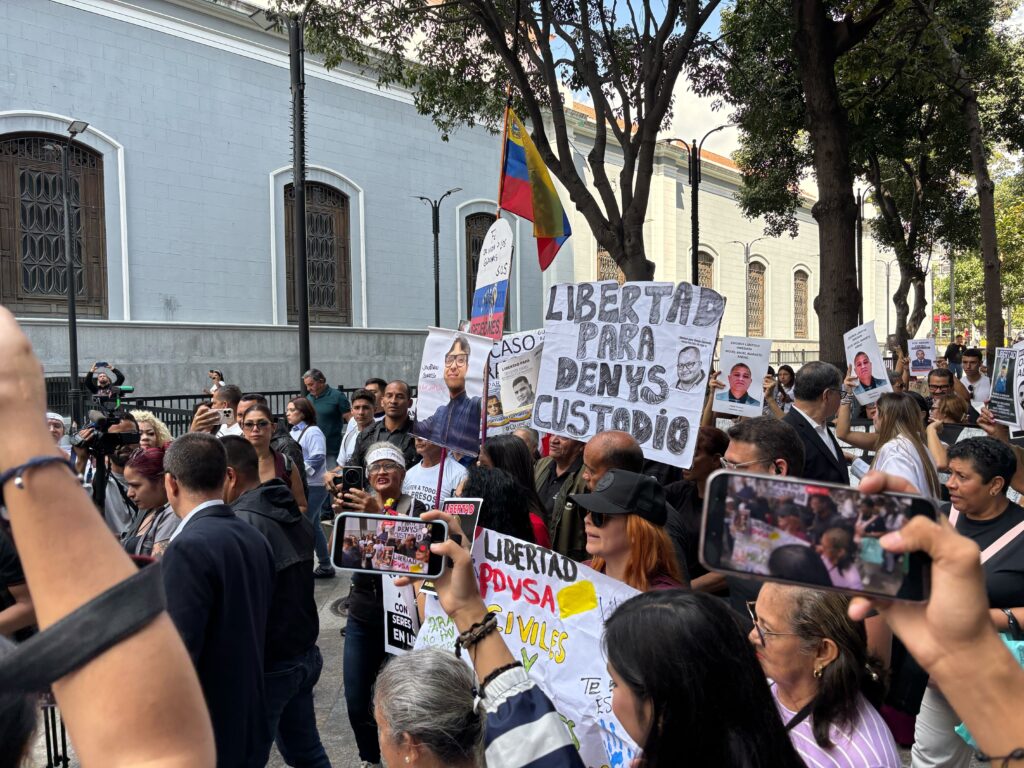
Since January 3rd, 431 political prisoners have been released, but the joy is muted by ongoing protests. Families have camped for weeks outside police headquarters and prisons, desperate for news and fearing the worst – that their loved ones will be overlooked.
The conditions within Venezuelan prisons remain horrific. El Rodeo I, a notorious facility in Miranda state, is openly described as a torture center, and reports of cruel treatment continue to surface, shattering any illusion of progress.
“They are supposedly talking about reconciliation,” one activist declared, “but day after day they revictimize us and prolong our pain.” The sentiment echoes through the streets of Caracas, a raw expression of betrayal and despair.
Despite calls from NGOs and politicians for a complete opening of the prisons and the release of all remaining detainees as part of the country’s transition, progress has been agonizingly slow and often hampered by restrictive judicial rulings.
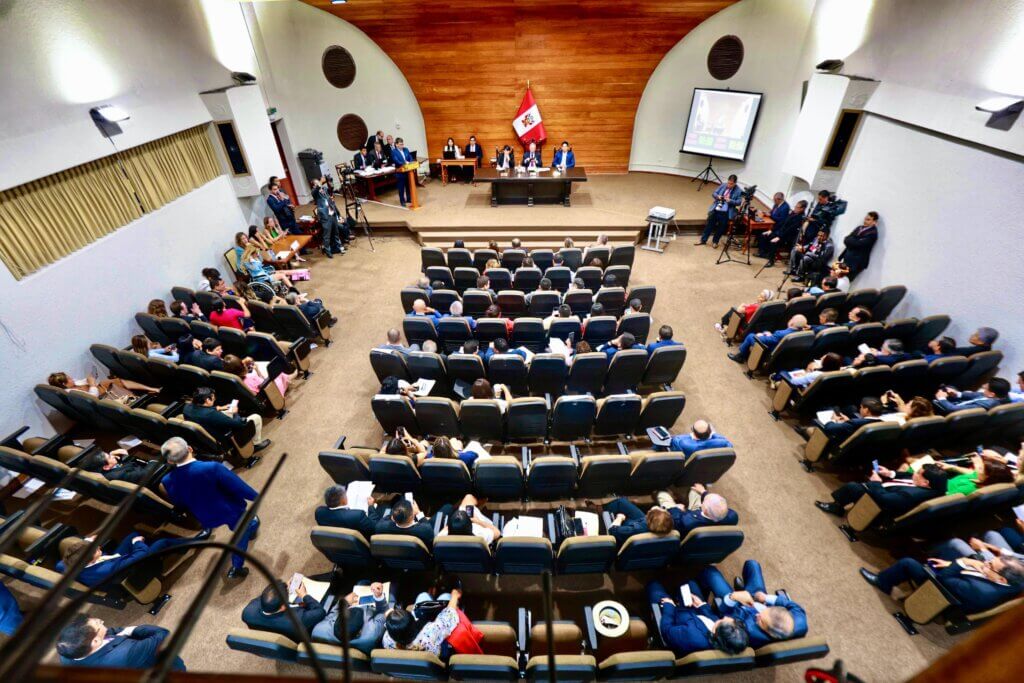
The amnesty law passed its first debate on February 5th, with a second round scheduled soon. The fate of hundreds hangs in the balance, a stark reminder that true justice remains elusive in Venezuela.