“We’d like to hear the story you might tell your friend, your mother, your father… a brother, a sister.” These were the opening words offered to those seeking refuge, huddled in shelters along Colombia’s unforgiving mountain paths. They were words meant to unlock a silence born of immense hardship.
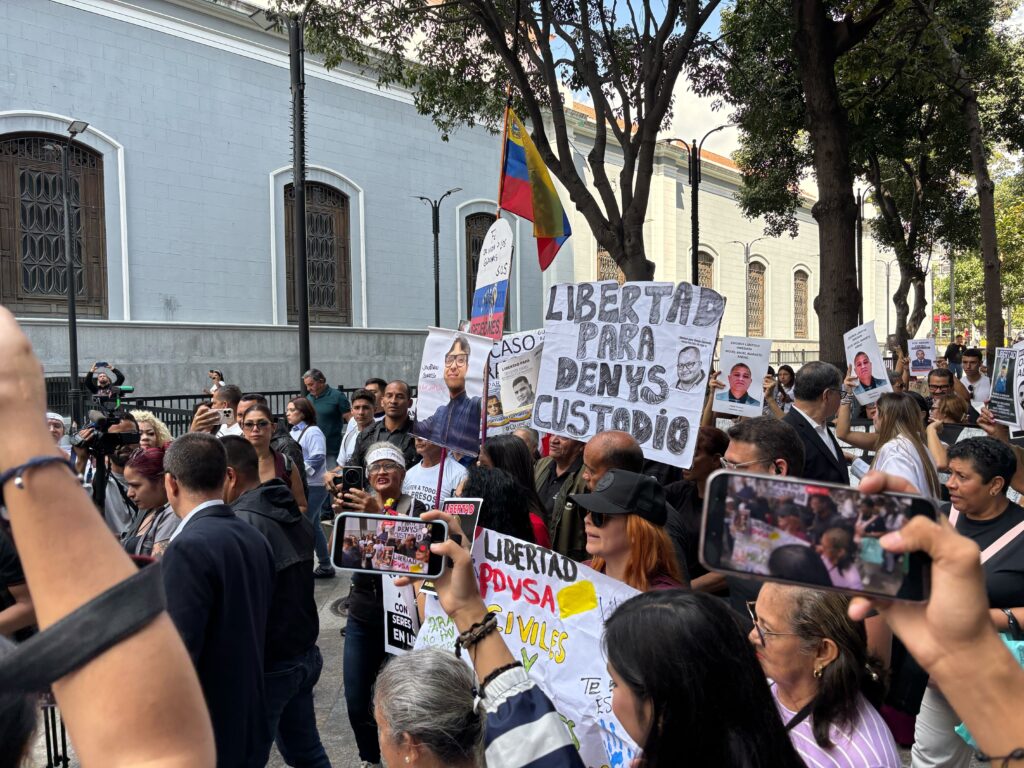
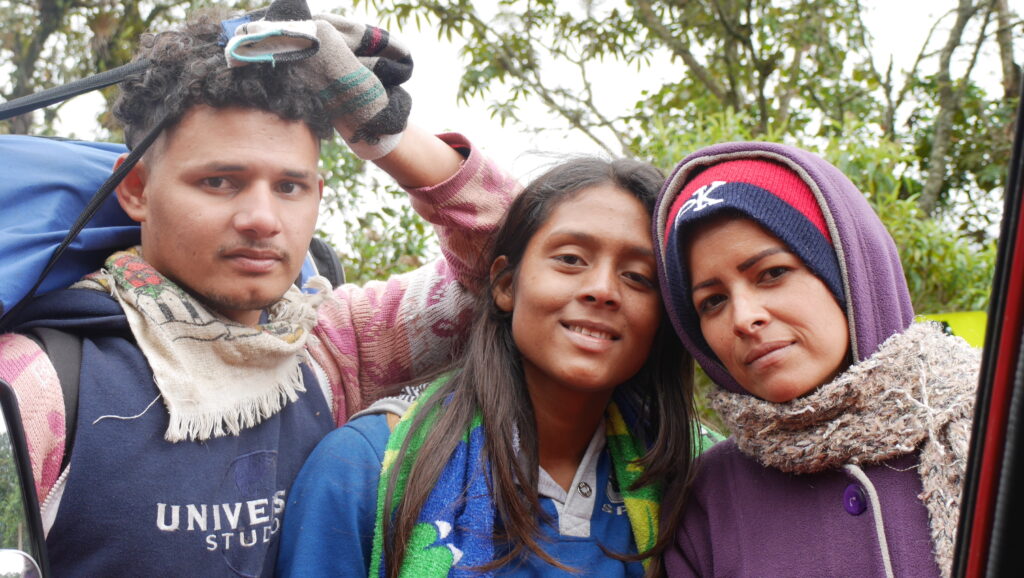
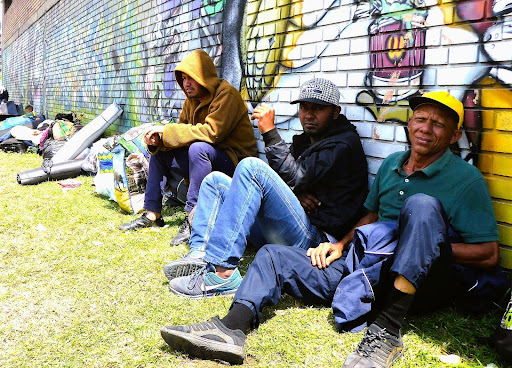
These were the voices of *Los Caminantes* – “the walkers” – a relentless stream of Venezuelans fleeing a nation in collapse. Millions abandoned their homes, driven by desperation and a dwindling hope for a future in a once-prosperous, oil-rich country. The exodus began subtly, then swelled into a human tide.
The crisis deepened with each passing year, fueled by shortages of food and medicine, political turmoil, and the isolating impact of a global pandemic. Hunger, poverty, and persecution became the common currency of their stories. Each walker carried a narrative etched with loss and resilience.
Amidst the urgent efforts of aid organizations, a U.S. medical doctor named Douglas Lyon recognized a critical missing element. Having witnessed countless crises with Doctors Without Borders, he understood the power of bearing witness. But he also saw the relentless pace of humanitarian work often left no room for truly *hearing* the individuals caught within it.
Lyon envisioned something different: a dedicated effort to record the stories of *Los Caminantes*, not as statistics, but as deeply personal accounts of survival. This realization sparked the creation of TodoSomos – “We Are All” – a small NGO built on the simple, yet profound, act of listening.
Working with a dedicated team of volunteers, TodoSomos began visiting shelters in Norte de Santander, the initial gateway for many entering Colombia. At its peak, over 5,000 Venezuelans crossed the border daily, many already scarred by the dangers of clandestine border crossings and the theft of their remaining possessions.
The methodology was remarkably straightforward. Notebooks and pens were left in shelters, accompanied by an invitation to write – anonymously, without fear – with the promise that their stories would eventually be heard. It was an act of empowerment, offering a voice to those who had been silenced by circumstance.
Lyon quickly observed the therapeutic impact of this simple act. Writing became a way for *Los Caminantes* to process their trauma, to organize their thoughts, and to articulate their hopes and fears. It was a moment of reflection amidst the chaos of their journey.
But the benefits extended beyond individual healing. TodoSomos meticulously analyzed the testimonies, identifying recurring themes and distilling them into monthly reports for NGOs and U.N. agencies. This information was also shared with field workers and, crucially, with the migrants themselves in group reading sessions.
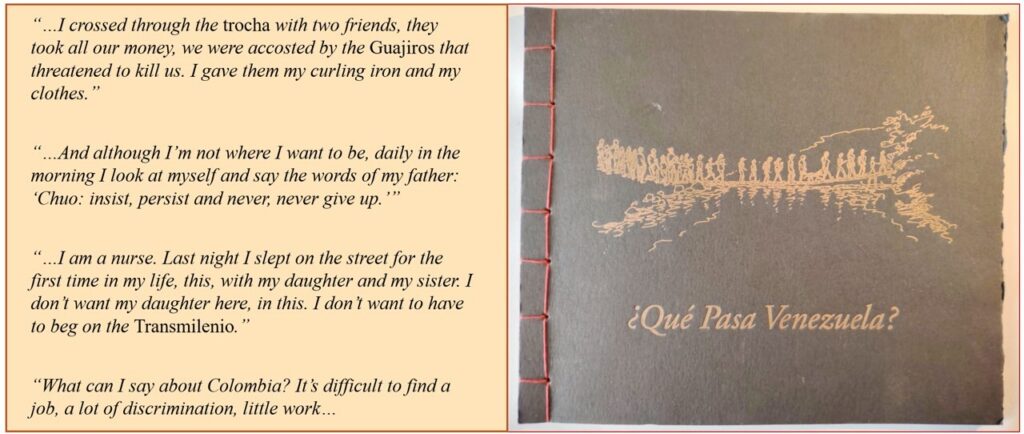
The collected stories were also published in a poignant book, “Qué Pasa Venezuela?” – a testament to the human cost of a nation’s unraveling. TodoSomos aimed to create a lasting record, a preservation of voices from a pivotal moment in Latin American history.
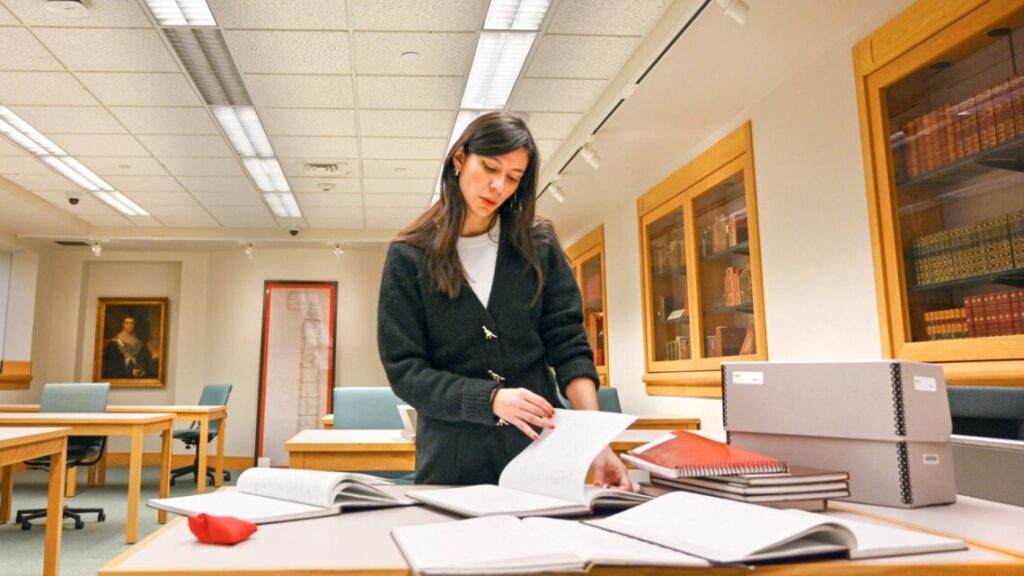
That vision took a significant step forward when Cornell University incorporated 25 ledgers – filled with handwritten accounts from the Colombian mountains – into its Rare Documents and Manuscripts Library. These became a “living archive,” as described by Professor Irina Troconis.
“This archive collects the stories of people who are, presumably and hopefully, still alive,” Troconis explained. “It’s an archive of the present, not just a record of the past.” The ledgers offered an invaluable resource for researchers, a diverse and unfiltered account of the migration crisis “told from below.”
For Troconis, who herself hails from Venezuela, the archive provided a crucial counterpoint to the often-simplistic narratives imposed by outsiders. It revealed the complex realities of a people stripped of abstraction, their experiences deserving of more than slogans or theoretical frameworks.
The stories shattered the monolithic image of the Venezuelan migrant, revealing a breathtaking diversity of experiences, shaped by class, ideology, and individual journeys. They were filled with harrowing pain and shocking violence, but also with enduring love, connection, and the resilience of informal support networks.
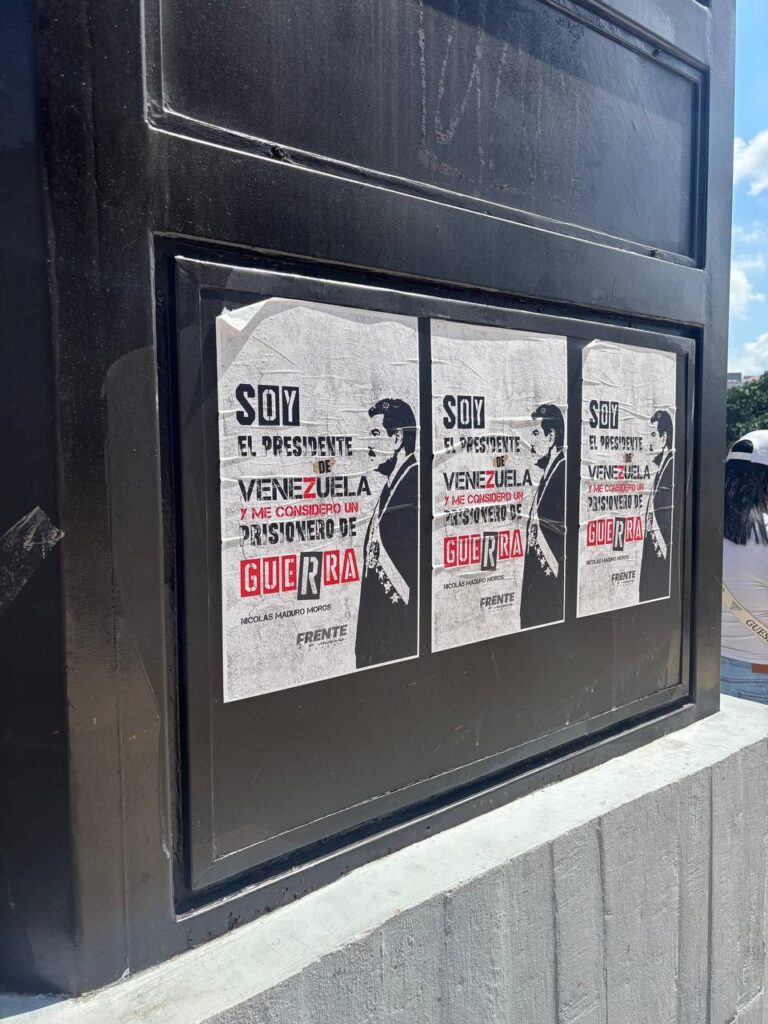
And woven throughout the narratives was a persistent longing – a deep desire to return to Venezuela. Recent political shifts, including the capture of former president Nicolás Maduro, offered a glimmer of hope, but also sparked renewed uncertainty.
Recognizing this precarious moment, TodoSomos has reactivated its story collection efforts in shelters near the border, collaborating with NGO On the Ground International. A recent surge in migrants, driven by the political upheaval, has underscored the ongoing need for documentation and support.
Many of those arriving now are traveling with children, and appear better prepared than in previous years, armed with information and a clearer understanding of the challenges ahead. Others are returning to jobs left behind, caught in a limbo of hope and apprehension.
Lyon views the current situation as a critical juncture, akin to a clinical consultation where the patient’s own account of their ailment is paramount. If Venezuela is the patient, it remains in the emergency room, and he believes TodoSomos has a vital role to play in its potential rehabilitation.
“If we listen better, if we are able to find space for both empathy and analysis, we’d do a better job of not only understanding and responding to humanitarian crises – but also preventing them.” The stories of *Los Caminantes* are not just a record of suffering; they are a roadmap for a more compassionate and informed future.