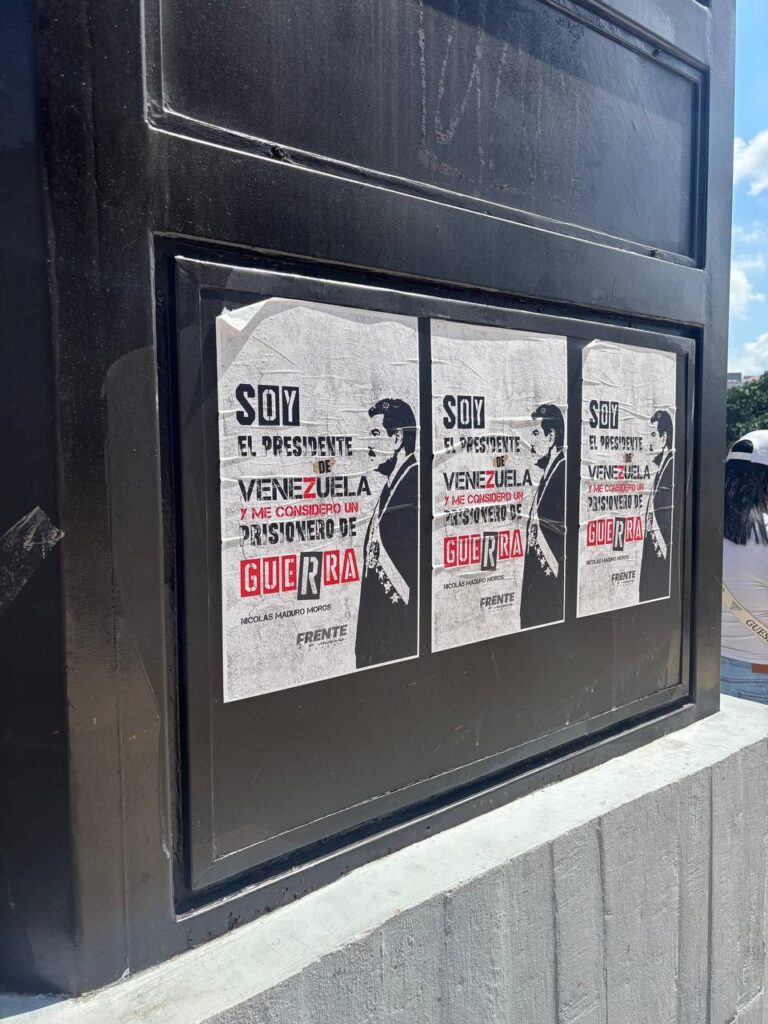
The skies over Venezuela are stirring with a renewed sense of hope. Just weeks after a period of intense international tension, a quiet but significant shift is underway: airlines are returning. This follows a warning issued by the US government prior to a military action that led to the capture of the nation’s president, prompting a widespread closure of Venezuelan airspace.
For months, the country was largely isolated, a consequence of instability cited by the Federal Aviation Administration. Airlines suspended routes, leaving Venezuelans facing exorbitant ticket prices – some routes soaring to over $1,700. The Venezuelan government responded with a demand: resume flights or risk losing operating permits, a challenge that left many carriers grounded.
Now, the tide is turning. Avianca led the way, restarting daily flights to Bogotá on February 12th. Air Europa and Laser Airlines quickly followed, connecting Caracas to Madrid. A wave of other carriers – LATAM, Wingo, Turkish Airlines, Plus Ultra, GOL, and TAP Portugal – are preparing to launch or resume services throughout March.

Even connections to the United States are being re-established. Copa Airlines has already begun selling tickets for routes through Panama to Miami. American Airlines has formally announced its readiness to return after a nearly seven-year absence, though a firm date for non-stop flights remains to be set.
Vicky Herrera, president of the Venezuelan Association of Travel and Tourism Agencies, describes the situation as a “stabilization process.” She anticipates a significant positive impact in the coming months, particularly with the return of flights from key destinations like the Dominican Republic and the United States.
However, Herrera emphasizes the importance of strengthening connections within South America, a region she believes has been overlooked. Increased connectivity, she argues, is crucial for fostering competitive advantages within Venezuela’s tourism sector.
The anticipated increase in flight availability is expected to drive down ticket prices, offering much-needed relief to travelers. But Herrera also acknowledges the underlying challenges. A stable economy and reliable public utilities are essential for hoteliers to operate efficiently and offer competitive rates, moving beyond reliance on costly generators.
The tourism industry has been working towards this moment for a long time, eagerly anticipating the opening of new possibilities. The return of airlines isn’t just about travel; it’s about rebuilding connections, fostering economic growth, and signaling a new chapter for Venezuela.
Herrera believes that as the country stabilizes, the tourism sector will flourish, offering a more attractive and affordable experience for visitors. The hope is that improved connectivity will unlock Venezuela’s potential as a premier Caribbean destination once again.