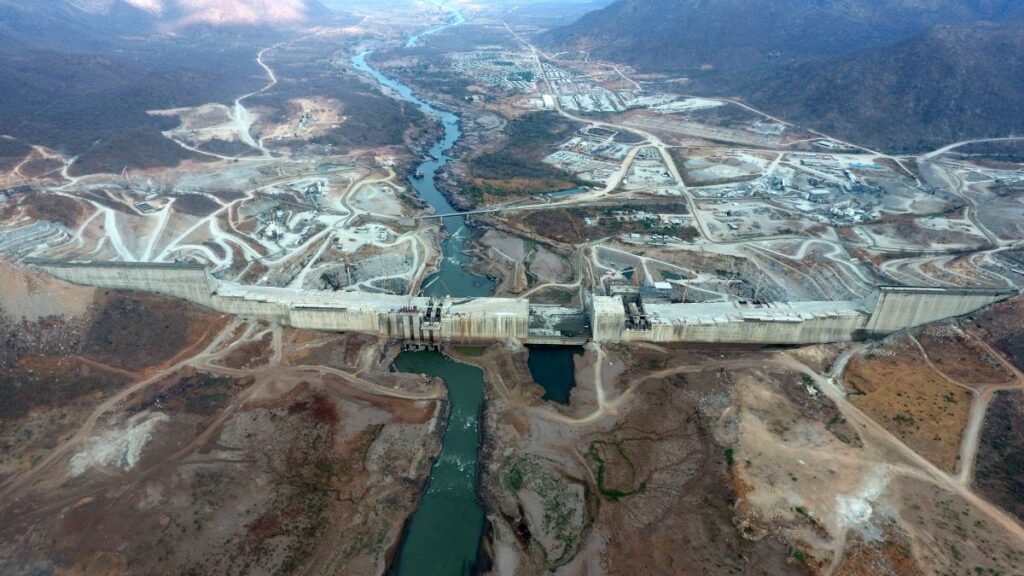
For over a decade, the Grand Ethiopian Renaissance Dam (GERD) has been more than concrete and steel. It embodies the hopes of millions of Ethiopians who invested their livelihoods, their futures, in a promise of electricity, dignity, and a brighter tomorrow. Yet, for others in the region, particularly Egypt, it has sparked anxieties about water security, transforming a hydroelectric project into a pivotal geopolitical challenge for Africa.
Today, the question of Ethiopian sovereignty over the GERD is resurfacing, framed by a new dynamic. Prime Minister Abiy Ahmed’s recent visit to the United Arab Emirates signals a deepening relationship, a strategic alignment with influential Gulf partners. The UAE is increasingly active in the Horn of Africa, offering support for peace and investing in vital infrastructure, positioning itself as a key player in regional stability.
Ethiopia urgently needs investment and strong partnerships to fuel economic growth. The government projects significant expansion in the coming year, demonstrating confidence in its path forward. However, these partnerships must never compromise fundamental sovereignty, especially concerning a project so deeply cherished by the Ethiopian people.

The GERD is no longer a distant plan; it is a functioning reality. Electricity is flowing, powering homes and industries across the nation. The debate has shifted. The question of Ethiopia’s right to utilize the Blue Nile was settled when the first turbines began to spin.
The core issue now is how Ethiopia can cooperate with its neighbors while resolutely safeguarding its autonomy. Many Ethiopians vividly recall the 2020-2021 negotiations, brokered by the United States, which produced a draft agreement perceived as heavily favoring downstream interests. This experience left a lasting impression, fostering deep skepticism towards externally driven mediation that feels biased or coercive.
As geopolitical forces realign and regional diplomacy intensifies, Ethiopia faces a complex balancing act. Egypt continues to leverage its diplomatic strength and partnerships to reinforce its position on the Nile. Gulf states are expanding their influence in the Horn of Africa, and global powers recognize the strategic importance of the Red Sea corridor and the Nile Basin.
Ethiopia must approach this environment with clear vision and unwavering resolve. Dialogue is essential – data sharing, drought coordination, technical cooperation, and early warning systems are all responsible steps for neighbors sharing a vital resource. But cooperation must never devolve into concession, and technical collaboration should not become political submission.
International water law recognizes the principle of equitable and reasonable utilization, acknowledging the rights of both upstream and downstream nations. For too long, the narrative surrounding the Nile has been dominated by historical arrangements that marginalized upstream states. The GERD, in many ways, represents Ethiopia’s correction of this historical imbalance.
The recent diplomatic engagement with the UAE should be viewed within this broader strategic context. Partnerships with Gulf states can bolster Ethiopia’s economic transformation and strengthen regional peace. However, any suggestion that Ethiopia might compromise its GERD position for short-term diplomatic gains would ignite significant domestic opposition.
The Ethiopian public has a profound connection to this dam. It was financed largely by ordinary citizens, built through periods of political and economic hardship, and became a powerful symbol of national unity. This collective ownership means any agreement perceived as diminishing the dam’s potential would face immense resistance.
Complete isolation from negotiations is not a viable path forward. Ethiopia must remain engaged, but guided by firm principles. African-led frameworks, like the African Union, should be central to the process, fostering a sense of continental ownership and minimizing the perception of external bias.
Discussions must remain grounded in technical expertise and evidence. Hydrology, rainfall patterns, reservoir management, and climate change should inform policy, not geopolitical maneuvering. And Ethiopia’s right to develop, to harness its resources for the benefit of its people, must remain non-negotiable.
The GERD is a test – not just of engineering prowess, but of political will. It challenges whether post-colonial nations can assert their rights peacefully and firmly in a world where power often dictates the narrative. The turbines are turning, the water is flowing, and lights are illuminating communities that once lived in darkness. This is the reality that must shape the conversation moving forward.
Ethiopia must engage with the world confidently, forge strategic partnerships, and negotiate responsibly. But it must never lose sight of the original purpose of the GERD. Sovereignty is not merely a slogan; it is a profound responsibility. And on the Nile, that responsibility now rests with Ethiopia.