Benny Sabti carries a chilling childhood memory from his school days in Iran: receiving a Persian translation of Adolf Hitler’s *Mein Kampf* as a reward for academic excellence. This wasn’t an isolated incident, but a deliberate act, a glimpse into a systematic effort to mold young minds according to the ruling clerical establishment’s vision.
Looking back, Sabti, now an Iran expert, recognizes this as the foundation of an ideological ecosystem. Schools, mosques, workplaces, and the media all became instruments to instill unwavering loyalty to the regime, subtly shaping perceptions of politics, religion, and the world itself.
But the core of this system, according to Iranian-American journalist Banafsheh Zand, wasn’t genuine faith. “Faith for them is a tool,” she explains, “not the ultimate goal, but a shield to conceal their actions.” The Islamic Republic, built on the principle of *velayat-e faqih* – “guardianship of the Islamic jurist” – functioned, in practice, as a sophisticated mechanism of control.
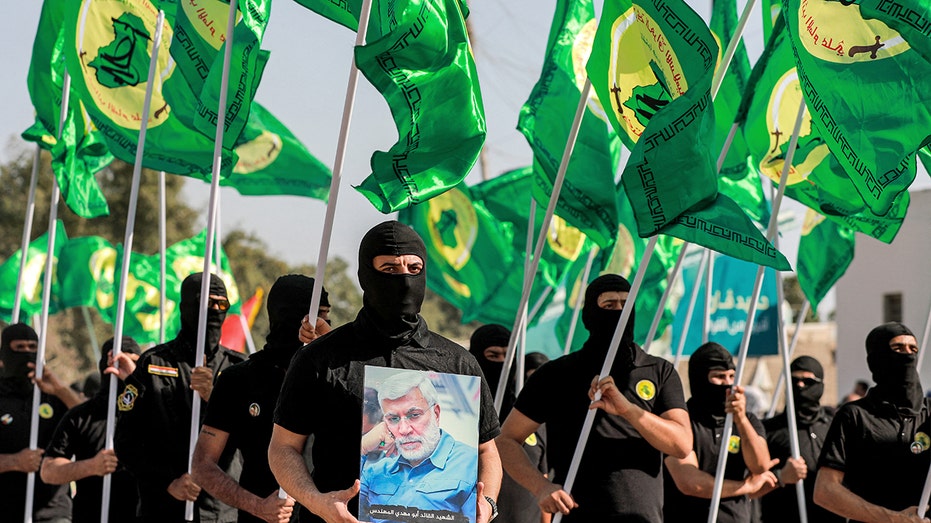
This control wasn’t solely based on religious fervor, but a calculated blend of incentives and intimidation. Financial rewards, jobs, housing, and educational opportunities were offered to those who aligned with the regime, particularly through organizations like the Basij militia. Compliance wasn’t about belief, but about survival and access.
The reach of this ideological network was pervasive. Regime representatives monitored public spaces, even bustling bazaars, ensuring adherence to religious practices. Friday prayer sermons echoed government messaging, and a staggering sixteen state institutions were dedicated to propagating the regime’s interpretation of Islam and the revolution’s ideals.
The ambition extended beyond Iran’s borders. Institutions were established to actively export this ideology, even funding a university dedicated to converting Sunnis to Shiism, bringing students from Africa and South America to Iran with that specific purpose.
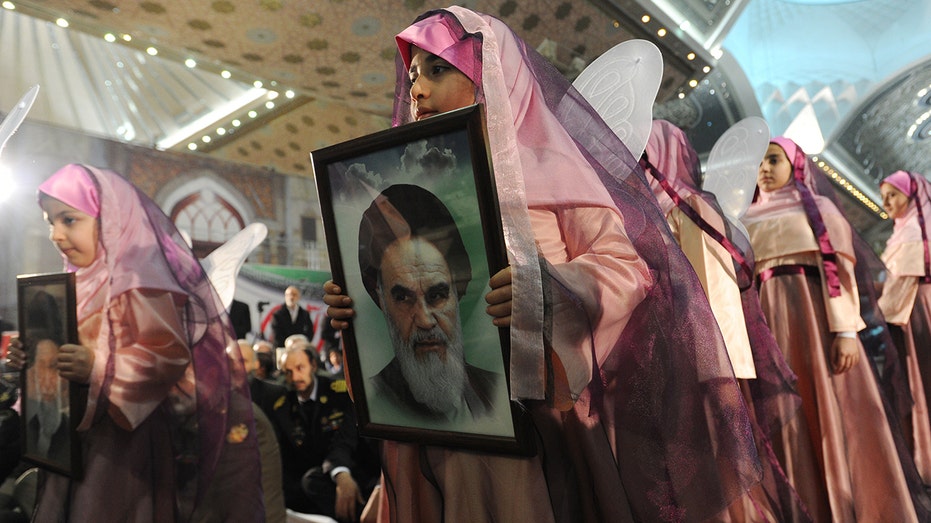
Schools were ground zero for indoctrination. Textbooks weren’t simply educational tools, but vehicles for promoting Islam’s supposed superiority over all other ideologies. Every subject – history, geography, even mathematics – was infused with the regime’s worldview, leaving no aspect of a child’s education untouched.
Sabti’s *Mein Kampf* experience wasn’t just a personal anecdote; it symbolized the broader environment. It instilled hostility towards perceived enemies and cemented a political worldview from a formative age. The regime aimed to create a generation molded in its image.
However, the system’s credibility was constantly undermined by the hypocrisy of its own elites. Their children often lived abroad in comfort while they amassed wealth and power within Iran and beyond, creating a stark contrast between rhetoric and reality.
Intimidation was a constant companion to ideology. Public examples were made of those who dared to dissent, fostering an atmosphere of fear and manipulation. Iranians lived under the shadow of the police and the watchful eyes of their neighbors, constantly aware of the potential consequences of non-compliance.
Despite decades of relentless indoctrination, Sabti believes the regime’s efforts ultimately fell short. “Over the years, the indoctrination has stopped working,” he asserts. “Most of the public does not truly believe it.” The imposed worldview never fully took root.
The regime maintains its grip on power through a combination of financial control, military strength, and relentless propaganda. Yet, Zand believes a fundamental shift is possible. She envisions a future Iran where those who outwardly complied out of fear can finally embrace their true identities.
Beneath the surface of enforced ideology, Iran’s rich cultural identity endured, resisting decades of pressure from the state. The spirit of the Iranian people, it seems, remained unbroken, waiting for an opportunity to flourish.