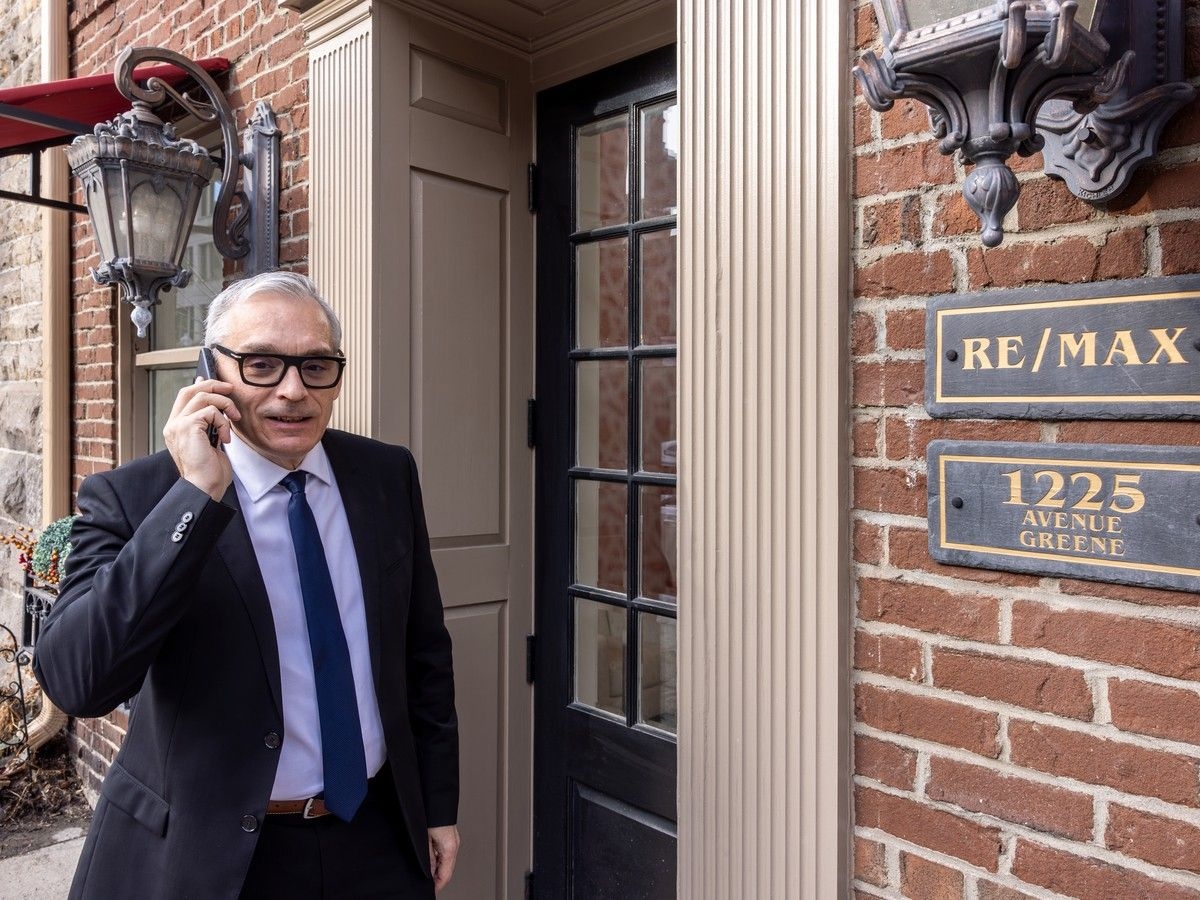
For nearly three decades, Mario Conte has navigated the Montreal real estate market, building a thriving business on connection and communication. He speaks three languages, effortlessly shifting between them to serve a diverse clientele – a strategy that has led to over sixty successful property transactions last year alone.
Recently, a surprising letter arrived from Quebec’s language watchdog, the Office québécois de la langue française. A complaint had been filed regarding his social media presence, specifically that some commercial posts weren’t exclusively in French. The inspection that followed confirmed the allegation, leaving Conte bewildered and frustrated.
Conte’s accounts, boasting thousands of followers, aren’t solely dedicated to property listings. They offer a glimpse into his life – family photos, birthday wishes, personal anecdotes – often shared in English. He believes this personal touch fosters trust and strengthens relationships with clients, a cornerstone of his success.
Attempts to clarify the rules with the agency proved futile. Conte described a frustrating cycle of being transferred between departments, never reaching anyone who could provide a clear answer. This lack of direct communication added to his growing concern.
He isn’t alone. A wave of pushback is rising from small businesses across Quebec, particularly family-run operations. A Montreal bakery recently found itself in the watchdog’s sights over English-language TikTok posts, sparking a viral outcry after the family shared their experience.
The scrutiny stems from Bill 96, legislation designed to strengthen the French language in Quebec. It grants the OQLF expanded powers to enforce the Charter of the French Language, requiring businesses to offer commercial content in French, even online, if targeting the provincial market. Fines have already been levied – $1,500 each to two Montreal companies in 2025 for non-compliance.
The reach of these regulations is expanding beyond the digital realm. Reports indicate Quebec is preparing to deploy undercover observers to retail stores, monitoring the languages used by employees when greeting customers. This heightened enforcement is occurring alongside a significant increase in the OQLF’s budget, more than doubling its funding since 2017.
Conte expressed deep frustration, emphasizing his willingness to comply but questioning the practicality of the rules. He wonders where the line should be drawn, particularly on global platforms like Instagram, where his reach extends far beyond Quebec’s borders.
He serves a truly international clientele, representing investors from around the globe alongside local families seeking their dream homes. He’s had the privilege of working with clients representing thirty different nationalities, and believes serving them in their preferred language is paramount.
Conte estimates that a vast majority of Quebec’s 18,000 real estate brokers could face similar scrutiny. He questions the necessity of such widespread enforcement, especially considering the availability of translation tools on social media platforms.
The OQLF acknowledged contacting Conte’s company, stating its commitment to assisting businesses in providing information in French. They emphasize a collaborative approach, resolving the vast majority of cases through cooperation and correction.
The agency clarified that businesses can maintain separate language versions of their social media accounts, but any content published for the Quebec market in English must be simultaneously available in French. The debate, however, continues to simmer, raising fundamental questions about language, commerce, and connection in a modern, globalized world.