A potential measles exposure is prompting urgent health alerts in the Greater Toronto Area, following a confirmed case linked to recent international travel. Public health officials are meticulously tracing the path of the virus, aiming to contain a resurgence of this highly contagious disease.
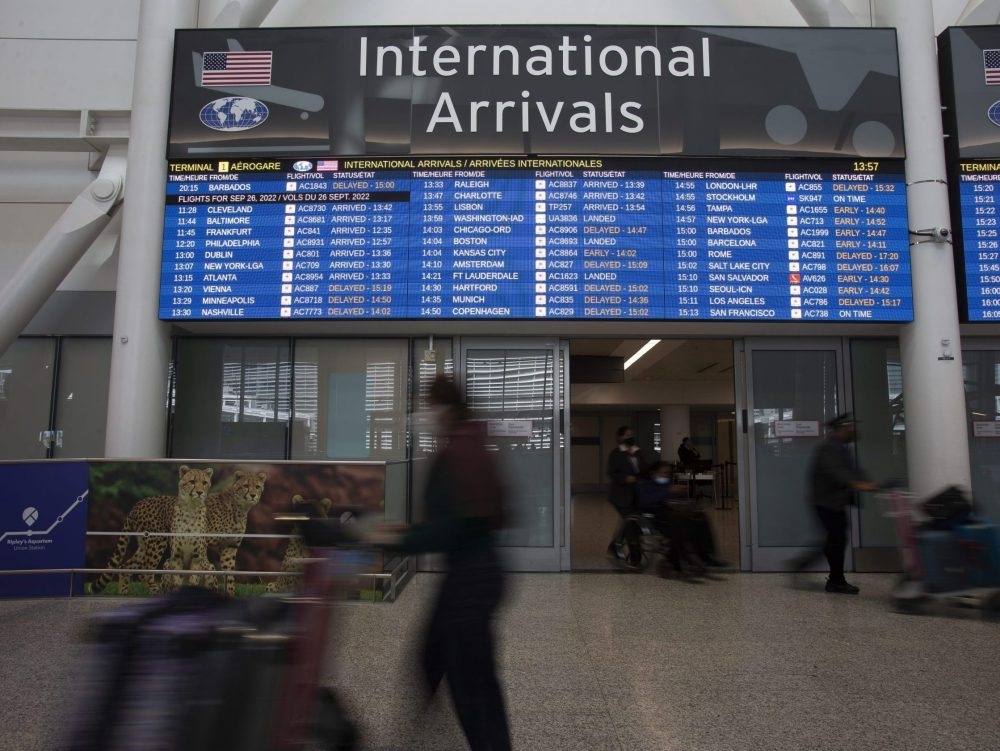
The initial exposure occurred on February 21st aboard Avianca Flight AV579, traveling from Guatemala City to San Salvador. The risk then extended to February 22nd, encompassing Avianca Flight AV324 from San Salvador to Toronto Pearson International Airport. Passengers and those present in Terminal 1 arrivals between 1:40 p.m. and 4:10 p.m. that day are being urged to take precautions.
Measles spreads with alarming ease – through the simple act of breathing, coughing, or sneezing. The virus can linger in the air or on surfaces for up to two hours, creating a hidden threat for anyone who isn’t protected. This makes swift identification and response crucial to prevent wider outbreaks.
Symptoms typically begin with a fever, runny nose, and cough, followed by red, irritated eyes. A distinctive red rash then emerges, starting on the face and spreading downwards. Small, telltale blue-white spots may also appear inside the mouth and throat. Recognizing these signs is the first step towards limiting further transmission.
Fortunately, measles is a preventable disease. Two doses of the measles vaccine provide robust protection, typically administered during childhood. Anyone who hasn’t received both doses, or who has never had measles, remains vulnerable to infection and should be particularly vigilant.
York Region is also facing a separate set of potential exposures. A confirmed case, originating from outside of Canada, led to possible transmission on York Region Transit buses between February 23rd and 27th during daytime hours. The emergency department at Cortellucci Vaughan Hospital was also identified as a risk area on February 28th, between 3:00 p.m. and 6:10 p.m.
Health authorities are advising anyone who may have been exposed during these times to check their vaccination records and closely monitor for symptoms until March 15th. Early detection and isolation are vital in curbing the spread of this easily transmissible illness.
The situation underscores the importance of maintaining high vaccination rates to protect both individual health and community well-being. While vaccine confidence remains strong in Canada, recent increases in hesitancy are raising concerns among public health officials.