Toronto’s Police Chief, Myron Demkiw, addressed a city grappling with a crisis of confidence, acknowledging deep-seated issues within the force. He spoke with a strained voice, a collection of water bottles his only companions at the table, as he outlined a plan for internal reform.
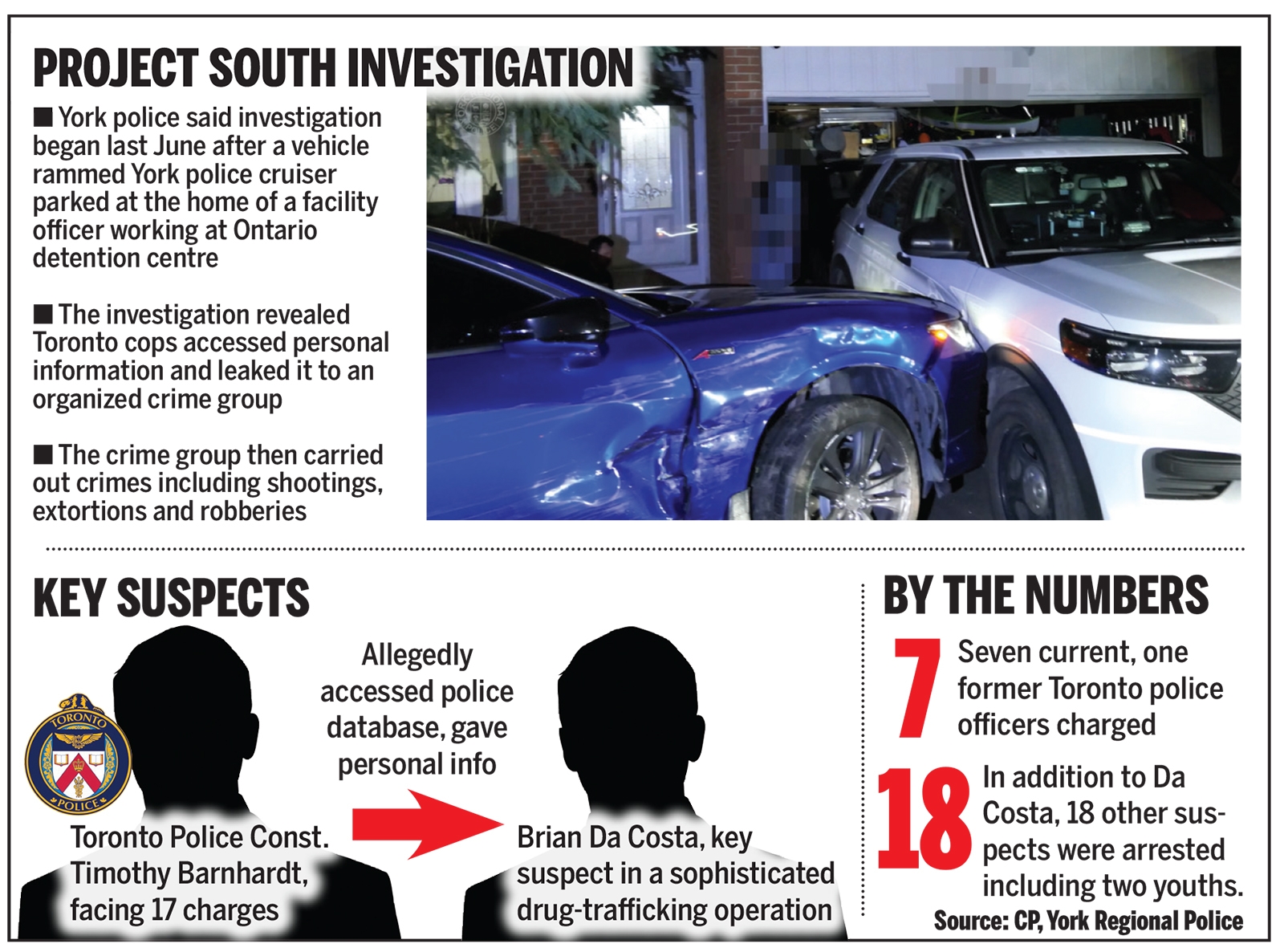
The impetus for this overhaul is Project South, a jarring investigation revealing alleged criminal activity among current and former officers. Accusations range from drug trafficking to a shocking plot to harm a corrections manager, shaking the foundations of public trust.
Chief Demkiw emphasized the seriousness with which the allegations are being treated, stating that significant work is already underway to address the “rot” exposed. This isn’t simply a response to scandal; it’s a commitment to rebuilding a fractured relationship with the community.
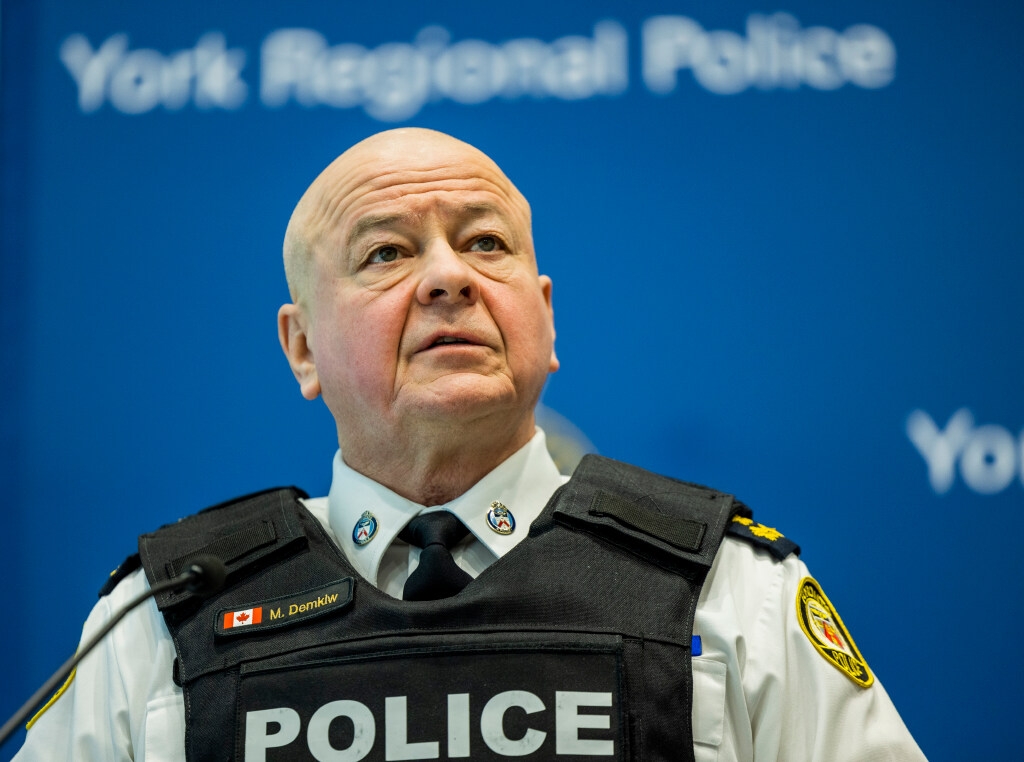
Simultaneously, the Toronto Police Service is facing a “thematic inspection” by Ontario’s Inspectorate of Policing – a comprehensive review designed to identify systemic failings. While fully supporting this external oversight, Demkiw revealed the launch of an internal anti-corruption project running parallel to the inspection.
The scope of these projects is substantial, with a projected timeline of at least two years. Changes will encompass strengthened oversight, a critical review of data access policies, and a renewed focus on vetting recruits and assessing their suitability for duty.
Beyond procedural changes, a fundamental shift in culture is being targeted. The “One TPS” project aims to address the underlying values and behaviors that allowed these issues to fester, recognizing that lasting change requires more than just new rules.
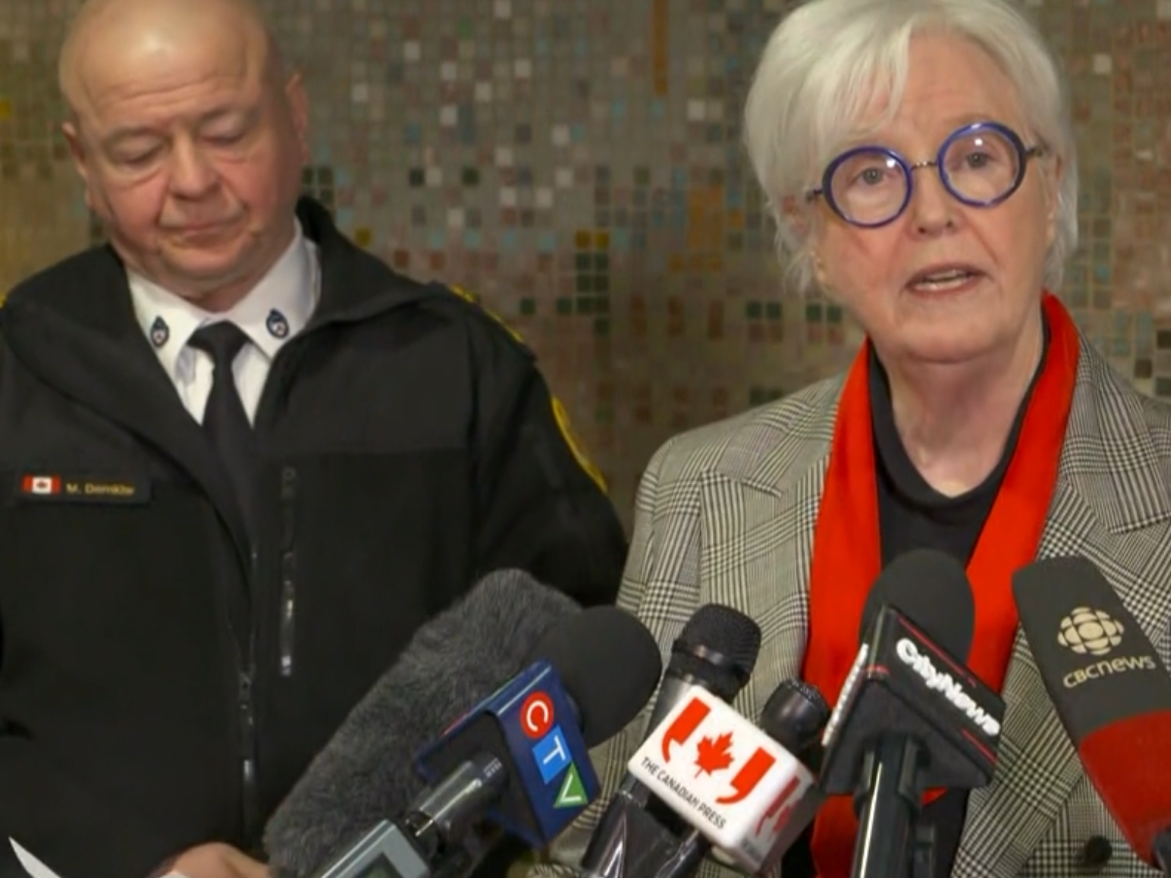
The urgency of the situation was underscored by Police Board Chair Shelley Carroll, who acknowledged the public’s deep concern and the need for transparent answers. She stressed that trust in policing is “foundational” to a functioning society.
However, the opportunity for direct public input was limited. Demkiw’s update was added to the board’s agenda at the last minute, effectively silencing the voices of concerned citizens who deserved a chance to be heard.
Seven current Toronto police officers and one retiree now face serious criminal charges as Project South progresses through the legal system. The court appearances this week, including a civilian’s bail set at a staggering $1.5 million, serve as a stark reminder of the gravity of the situation.
Councillor Lily Cheng, a member of the police board, pressed for specifics on how the force intends to measure its progress in fostering a healthier culture. She rightly insisted that “real progress” demands concrete data and demonstrable results.
The Inspectorate of Policing, though relatively new, possesses the authority to issue legally binding directives, ensuring that corrective actions are not merely recommended but enforced. This represents a powerful tool for driving meaningful change within the service.
While leadership outlined the broad strokes of these initiatives, details remained scarce. Initial interventions have focused on 12 Division, the unit where many of the accused officers were stationed, but the path forward requires a level of transparency that has yet to be fully realized.
The challenges are immense, but the commitment to reform is clear. The coming months and years will be a critical test of the Toronto Police Service’s ability to confront its demons and rebuild the trust of the city it serves.