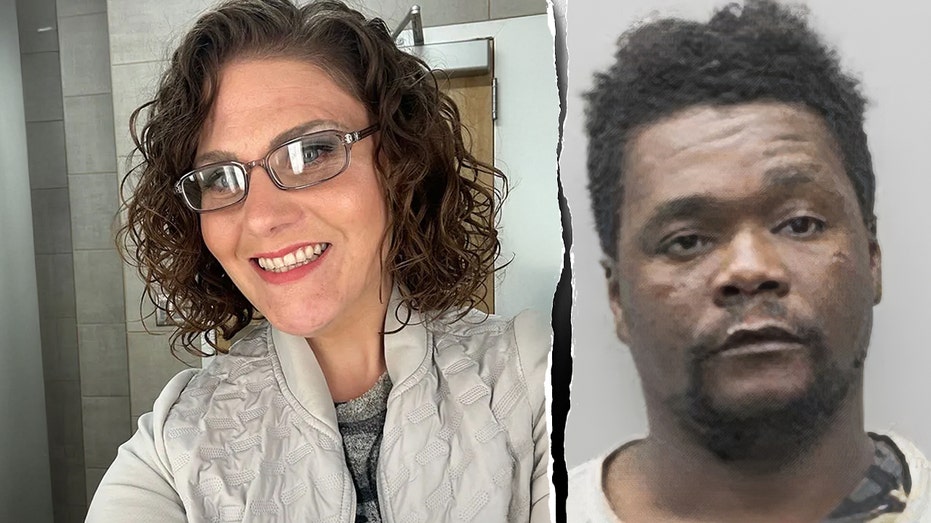
A vibrant life, brimming with dreams of music, volleyball, and the simple joy of her two dogs, was tragically extinguished in Southern California. Khimberly Zavaleta, just twelve years old, succumbed to injuries days after a school hallway altercation, now under investigation as a homicide.
The incident unfolded during dismissal at Reseda High School. Khimberly, according to her mother, bravely intervened when a group of students confronted her older sister. She attempted to de-escalate the situation, even offering to speak with the principal, but a confrontation escalated with devastating speed.
A metal water bottle became a weapon, striking Khimberly in the head. While initial hospital evaluations offered a glimmer of hope, her condition rapidly deteriorated. She was later rushed to the emergency room, arriving without vital signs, and a desperate fight for her life began.
Doctors discovered severe brain bleeding, initiating a grueling six-hour emergency surgery and placing Khimberly in a medically induced coma. Despite the medical team’s efforts, and discussions of further interventions, the prognosis grew increasingly grim. The reality became heartbreakingly clear: her brain was no longer functioning.
Around 3:30 a.m., Khimberly’s family faced the unimaginable. Their youngest daughter, the “special light” of their family, was gone. The pain is compounded by the knowledge that a playful argument spiraled into a fatal tragedy.
Video footage of the altercation exists, though it doesn’t definitively capture the moment of impact. Law enforcement’s Robbery-Homicide Division is now meticulously investigating, navigating the complexities of a case involving juveniles. The school district has expressed its sorrow and pledged cooperation with the investigation.
Students have already begun to gather, protesting and demanding justice for Khimberly. Her mother, while grieving, finds solace in the outpouring of support and a fervent hope for accountability. But the grief is overwhelming, and the thought of sending her surviving daughter back to school fills her with dread.
From this profound loss, a call for change is emerging. Khimberly’s family is advocating for “The Khimberly Act,” a proposed national standard for evaluating pediatric head injuries. The legislation seeks clearer imaging protocols, consistent neurological monitoring, and comprehensive training for medical professionals.
The petition highlights the often-hidden danger of traumatic brain injuries in children – injuries that can appear minor initially but quickly become life-threatening. It’s a plea to ensure no other parent faces the devastating words, “We didn’t think it was necessary.”
For Khimberly’s loved ones, the focus now rests on honoring her memory and fighting for a future where such tragedies are prevented. They are determined to transform their unbearable loss into a legacy of safety and awareness, ensuring that Khimberly’s light continues to shine.