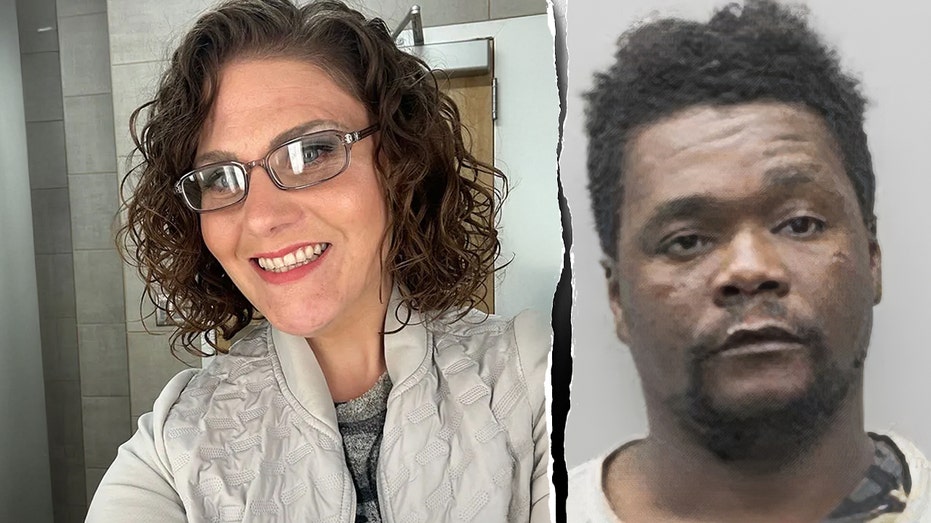
A mother is dead, brutally stabbed at a bus stop in Fairfax County, Virginia. Stephanie Minter, 41, was the victim of a senseless act of violence, allegedly committed by Abdul Jalloh, a 32-year-old with a shockingly extensive criminal record. But this tragedy wasn’t unforeseen; it was, according to newly revealed emails, a predictable outcome repeatedly flagged to those in power.
For years, Jalloh, who entered the country in 2012, cycled through the legal system, amassing over thirty arrests. The charges were harrowing: rape, malicious wounding, assault, drug possession, even contributing to the delinquency of a minor. Yet, time and again, prosecutors dropped the charges, allowing him to return to the streets. This pattern of release, despite escalating violence, became a chilling prelude to the events of late February.
The Fairfax County Police Department (FCPD) desperately tried to warn the Commonwealth’s Attorney’s office. Emails, now public, reveal at least three separate alerts regarding Jalloh’s release and the clear danger he posed. One major within the FCPD wrote to a chief deputy, expressing a grim certainty: “It is not a question of if, but rather when he will maliciously wound (or worse) again.”
The warnings weren’t vague. One email detailed over 100 interactions between Jalloh and the FCPD, charting a disturbing escalation from domestic violence to assaults with weapons – specifically, knives. Just months before Minter’s death, Jalloh had already stabbed a man in the leg while he slept with his girlfriend, remaining free on probation. Police records painted a picture of a man “often intoxicated/high and located w/narcotics,” a “DANGER” to the community.
The emails detail specific incidents that should have triggered decisive action. In April 2024, Jalloh allegedly stabbed a homeless man sleeping at a bus stop, telling him to “get up, you can’t sleep here.” Later that same day, he allegedly attacked a woman, stabbing her in the head and stealing her money. These weren’t isolated events; they were part of a terrifying pattern.
Despite the mounting evidence and urgent pleas from law enforcement, the response was, at best, inadequate. Prosecutors explored “different pathways,” a spokesperson later stated, constrained by available testimony and legal limitations. But the result was the same: Jalloh remained free, housed in a motel funded by a nonprofit offering “alternatives to incarceration.”
Following Minter’s death, an ICE detainer request – a simple request to hold Jalloh for potential deportation – was refused by Virginia Governor Abigail Spanberger. Her office demanded a signed judicial warrant, a requirement ICE argues is unnecessary for making arrests. The decision sparked outrage, with DHS accusing the governor of prioritizing a “MURDERER” over the safety of her citizens.
Spanberger had recently issued an executive directive ending cooperation with federal immigration authorities, citing concerns about eroding trust and a “culture of fear.” But for Stephanie Minter, and for the community living in fear of Jalloh’s repeated violence, that trust had already been broken. The question now remains: could this tragedy have been prevented, and what will be done to ensure it never happens again?