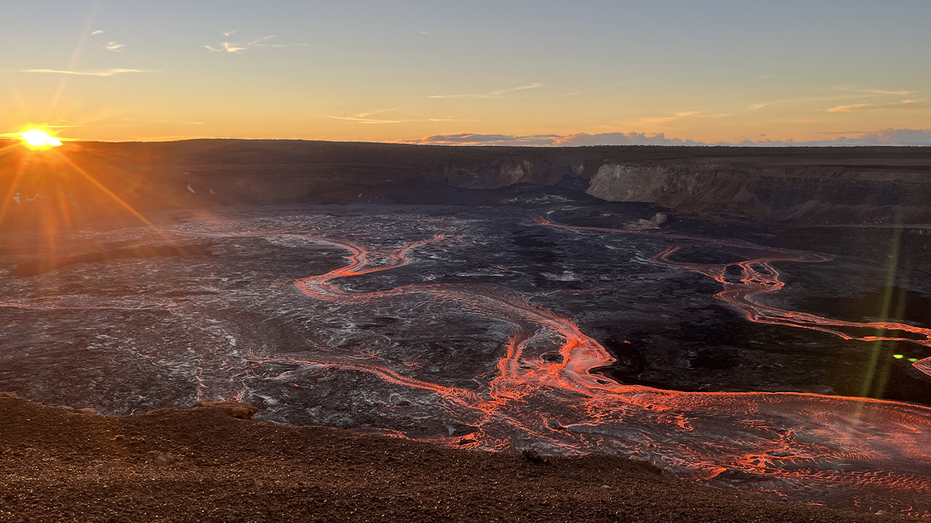
A 33-year-old man from Hawaii is dead after a desperate search within the vast, treacherous Kīlauea caldera at Hawaiʻi Volcanoes National Park. The incident triggered an all-night rescue operation across steep, unforgiving terrain, a race against time in a landscape sculpted by fire and shadow.
Park personnel responded on February 26th to the east side of the caldera, a place of immense power even in its dormant phases. The volcano wasn’t actively erupting at the time, but the inherent dangers of the volcanic landscape remained ever-present, a silent threat to those who strayed from safety.
Search crews battled through the darkness, relentlessly combing the hazardous area. Their efforts continued until the following day when they finally located the man. He was immediately airlifted to Hilo Benioff Medical Center, but despite their best efforts, he was pronounced dead upon arrival.
Authorities are withholding the man’s name out of respect for his family and to honor their privacy during this incredibly difficult time. This tragedy serves as a stark reminder of the risks associated with venturing beyond designated areas within the national park.
Park officials have repeatedly warned visitors about the dangers of ignoring boundaries, especially with the recent surge in interest surrounding Kīlauea’s ongoing eruption. Just months prior, two individuals were filmed brazenly hiking dangerously close to active lava flows within a restricted zone.
Those who track volcanic activity believe this reckless behavior is fueled by a desire for online attention. One observer noted the incidents seem driven by a pursuit of “clicks” and “views,” a dangerous gamble for fleeting online notoriety.
Over the past year, documented instances of trespassing have dramatically increased, with dozens – perhaps hundreds – of unauthorized videos and images flooding social media platforms. The allure of witnessing raw volcanic power appears to be outweighing the very real threat to life.
This isn’t a new phenomenon. Last June, a 30-year-old man from Boston miraculously survived a 30-foot fall after leaving a marked trail in pursuit of a closer view of erupting lava. A single tree broke his descent, preventing a potentially fatal plunge of another 100 feet.
Since the eruption began on December 23, 2024, Kīlauea has experienced a dramatic increase in visitors, drawn by the spectacle of lava fountains soaring over 1,000 feet into the air. However, the active eruption zone remains strictly closed due to the extreme hazards present.
The Kīlauea caldera is a landscape of hidden dangers: unstable cliff edges, concealed cracks, and unpredictable volcanic terrain. Officials implore visitors to remain on marked trails, respect barriers, and heed all warnings – a plea for safety in the face of nature’s immense power.