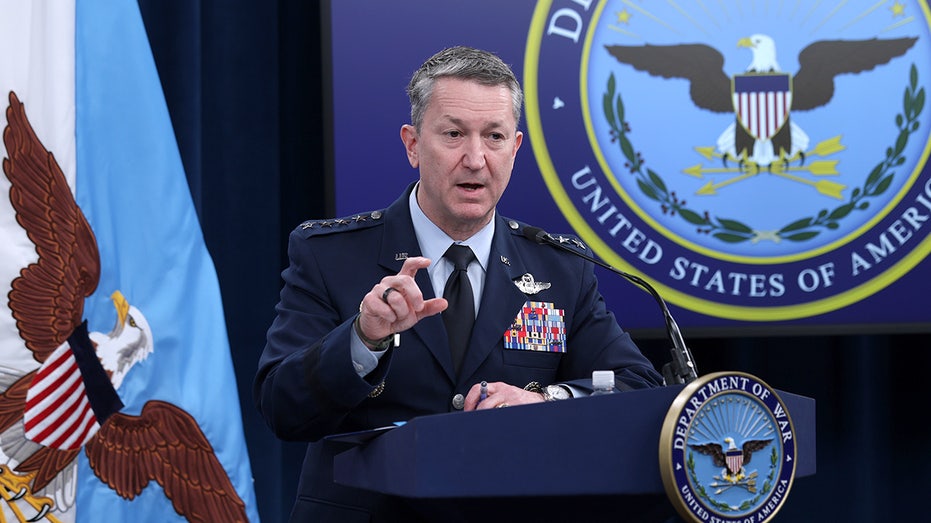
A dramatic shift is unfolding in the conflict, according to Chairman of the Joint Chiefs of Staff Gen. Dan Caine. The relentless barrage of Iranian ballistic missiles has significantly diminished since the commencement of Operation Epic Fury, signaling a turning tide in the ongoing campaign against Tehran’s military strength.
The numbers paint a stark picture of evolving battlefield dynamics. Missile launches have plummeted by 86% since the initial day of fighting, with a further 23% reduction observed in the last 24 hours alone. Simultaneously, the frequency of Iranian one-way attack drone launches has decreased by a substantial 73%.
This marked progress has enabled U.S. Central Command (CENTCOM) to establish localized air superiority along Iran’s southern coast. This dominance allows for deeper penetration of Iranian defenses, executed with what officials describe as “overwhelming precision and firepower.”
The scale of the initial attacks was immense, with Gulf states reporting the interception of hundreds of Iranian drones and missiles. These projectiles weren’t limited to military targets; civilian infrastructure and even U.S. embassy buildings were specifically targeted.
The United Arab Emirates alone reported intercepting a staggering 8 cruise missiles, 175 ballistic missiles, and 876 drones. Despite these defensive efforts, collateral damage occurred, tragically resulting in the deaths of three foreign nationals – citizens of Pakistan, Nepal, and Bangladesh.
A unified front has emerged in response to Iran’s actions. The UAE, Qatar, Saudi Arabia, Bahrain, Jordan, Kuwait, and the United States jointly condemned Iran’s “indiscriminate and reckless” strikes, issuing a strong statement of disapproval on Monday.
The joint statement emphasized the endangerment of civilians, the damage to critical infrastructure, and the violation of multiple nations’ sovereignty. Targeting non-combatants and countries not actively involved in hostilities was specifically labeled as “reckless and destabilizing behavior.”
The nations involved reaffirmed their collective commitment to self-defense and regional security. They highlighted the effectiveness of collaborative air and missile defense systems, crediting this cooperation with preventing even greater loss of life and widespread destruction.