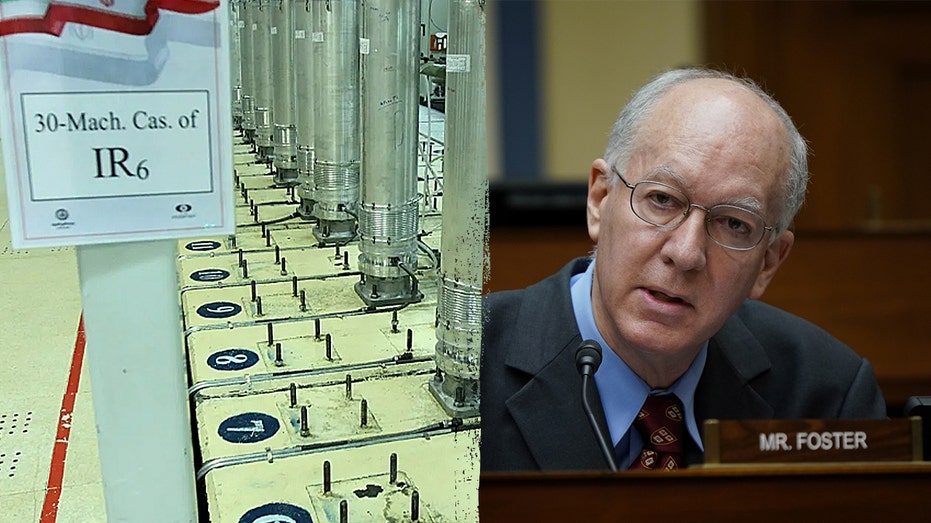
A chilling revelation has emerged from within the halls of Congress: a critical gap in strategy regarding Iran’s nuclear capabilities during the ongoing U.S. offensive. Representative Bill Foster, a Democrat with a background in physics, voiced grave concerns after a classified briefing, stating that lawmakers were presented with no concrete plan to secure or neutralize Iran’s enriched uranium stockpile.
The stated justification for U.S. intervention – preventing Iran from developing a nuclear weapon – now feels incomplete. While over 1,700 targets across Iran have been struck, core nuclear facilities haven’t been prioritized. This omission, according to Foster, leaves Iran dangerously close to possessing enough material for multiple rudimentary nuclear devices, weapons that, while not missile-borne, could be deployed through other devastating means.
The challenge isn’t simply building a sophisticated warhead. Experts acknowledge that creating a compact, missile-deliverable nuclear weapon is incredibly complex. However, a device mirroring the destructive power of the Hiroshima bomb – larger, but achievable with existing materials – presents a terrifyingly real possibility. Securing the existing stockpile, largely buried deep underground, appears to be the missing piece of the puzzle.
Foster’s assessment is stark: physically securing the nuclear material would necessitate a ground invasion, a costly and dangerous undertaking. He alleges that administration officials have shown a reluctance, or perhaps deemed it impossible, to commit to such a mission, and crucially, haven’t offered any viable alternative. Without a plan to control the material, the current military actions risk inadvertently pushing Iran closer to its nuclear ambitions than diplomatic efforts ever would.
The situation is further complicated by the recent death of Ayatollah Ali Khamenei, who had previously issued a fatwa opposing nuclear weapons. The future stance of his successors, potentially influenced by hardliners within the Islamic Revolutionary Guard Corps, remains uncertain. This creates a volatile landscape where a previously existing restraint could easily dissolve.
While the administration maintains that the strikes are aimed at dismantling Iran’s ability to project force, a parallel concern is growing within Congress: the sustainability of the defensive response. Senator Mark Kelly highlighted a looming “math problem” – the finite supply of interceptor munitions needed to counter Iran’s missile and drone attacks. Replenishing these stocks is proving difficult, potentially impacting U.S. readiness in other critical theaters.
The debate extends beyond interceptor supplies. Some lawmakers express frustration with a lack of transparency regarding inventory levels, demanding detailed answers beyond assurances of “trust us.” Others, however, downplay the concerns, claiming U.S. forces are “in great shape.” This internal disagreement underscores the complexity and sensitivity of the situation.
Experts suggest that as long as Iran isn’t on the immediate verge of assembling a nuclear weapon, the focus rightly shifts to suppressing its missile and drone capabilities. These systems pose the most immediate threat, and degrading them conserves interceptors while weakening Iran’s overall military capacity. However, the lessons from the 2025 Iran-Israel conflict – where a significant portion of the global THAAD interceptor inventory was reportedly expended – serve as a stark warning.
Replenishing advanced air defense systems like Patriot and THAAD can take over a year, creating a critical vulnerability. This is further exacerbated by the simultaneous demand for these same systems in Ukraine, leading to a “zero-sum” competition for limited resources. The reality is that there’s a finite limit to the number of these missiles that can be produced, and the current pace of production simply cannot keep up with potential demand.
The unfolding situation presents a precarious balance. The immediate focus on Iran’s conventional weaponry is vital, but the unresolved issue of its enriched uranium stockpile casts a long, ominous shadow. Without a clear strategy to address this core threat, the current campaign risks becoming a costly and ultimately incomplete endeavor.