For years, the allure of America’s most treasured landscapes has been tempered by a growing challenge: overwhelming crowds. National parks, once havens of solitude, increasingly required meticulous planning and reservations just to enter. But a shift is underway, promising a return to a more spontaneous experience for adventurers.
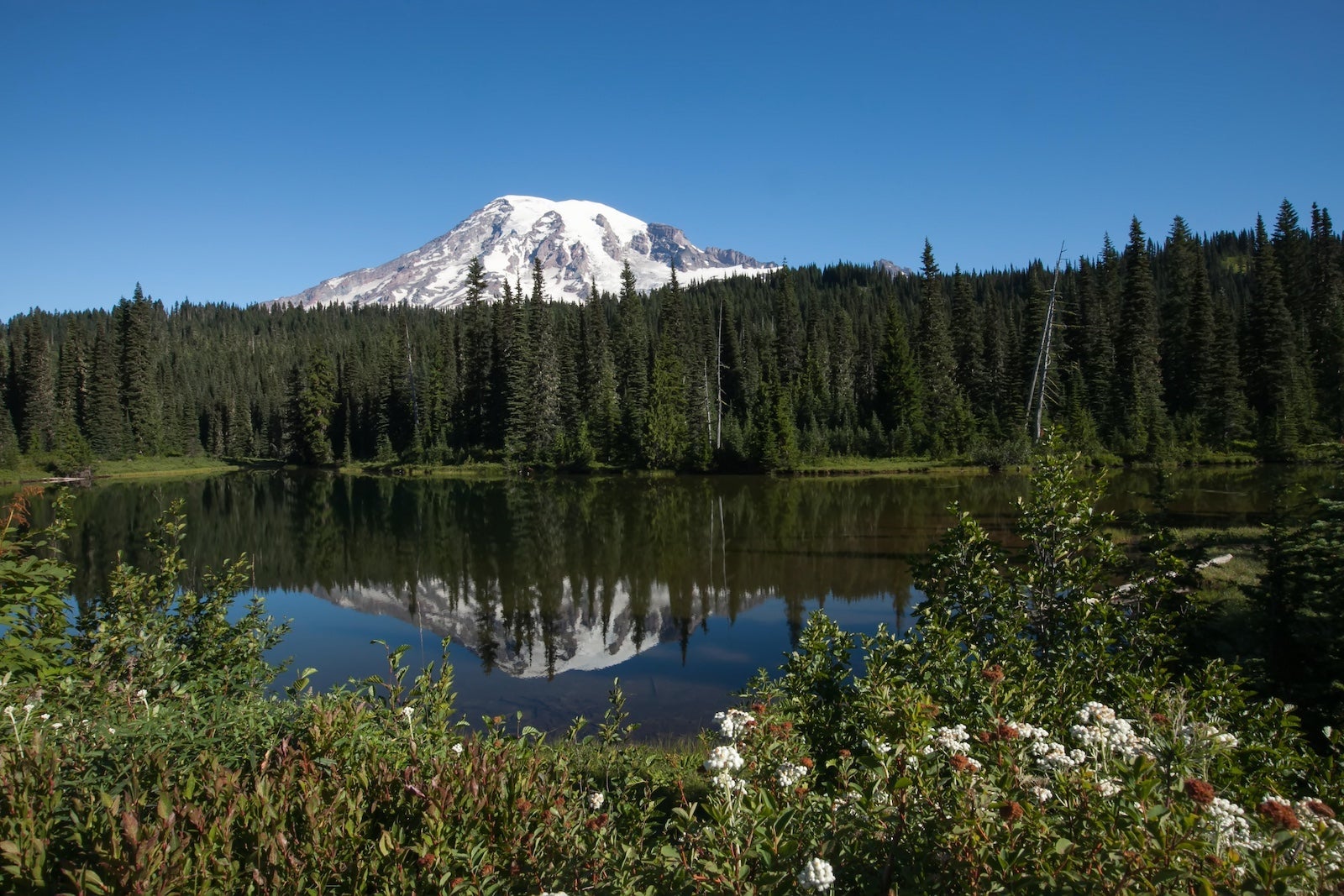
Mount Rainier National Park in Washington state has just announced it will eliminate its timed entry system for 2026, joining Yosemite, Glacier, and Arches in a move that could dramatically alter the summer experience for visitors. This change signals a willingness to adapt to visitor needs and potentially ease congestion in surrounding towns.
The decision isn’t without potential consequences. While the removal of reservations offers flexibility, it also raises the possibility of increased traffic and a scramble for parking within the parks themselves. Officials suggest strategic timing – weekdays, early mornings, or late afternoons – as key to avoiding the worst of the crowds.
Yosemite National Park, consistently among the most visited in the nation, will also forgo vehicle reservations for the entirety of 2026. This decision follows a careful analysis of traffic flow and parking availability, suggesting park officials believe they can manage visitor volume without restrictions.
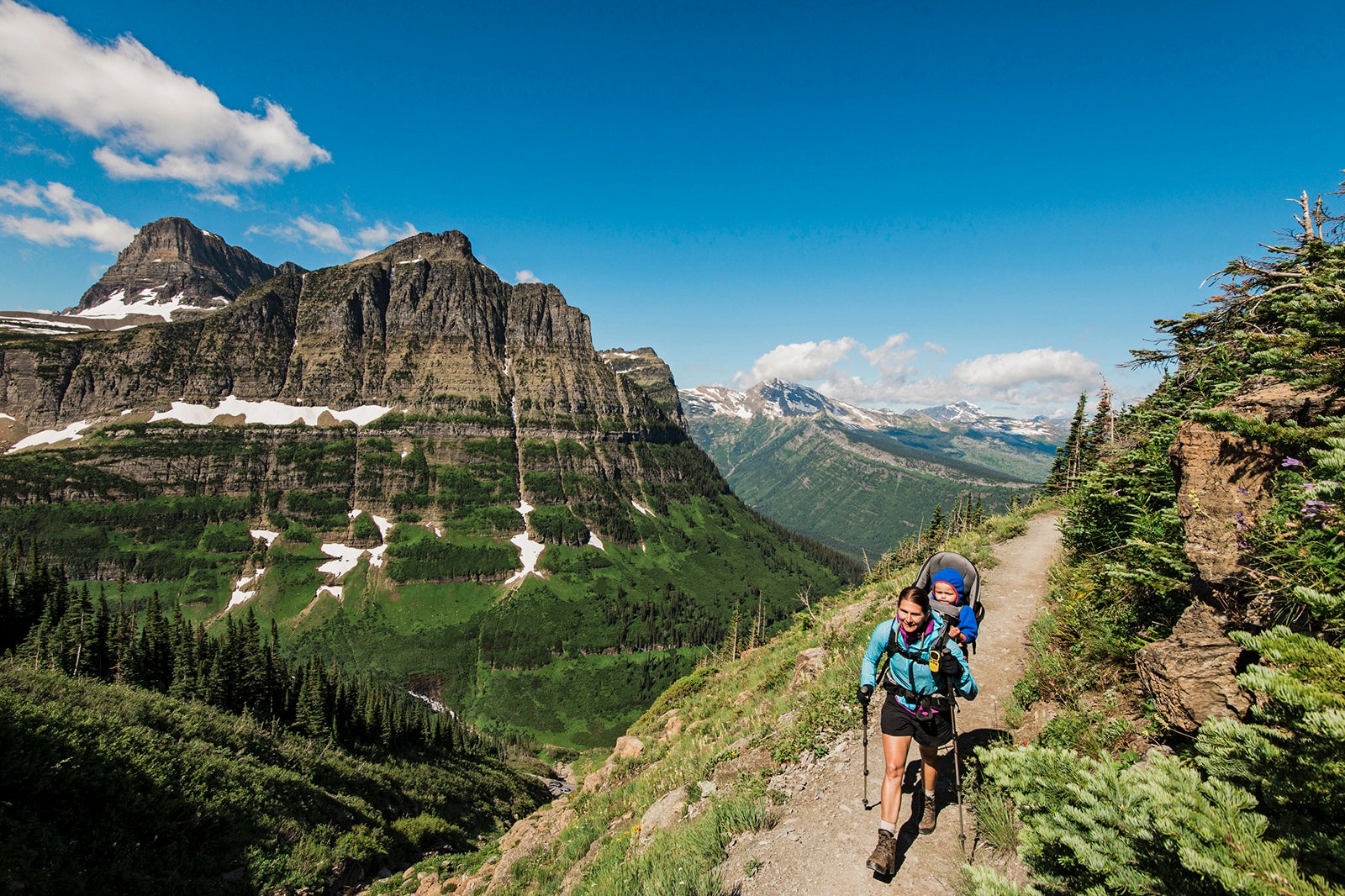
Glacier National Park in Montana, famed for its stunning vistas and challenging trails, is also opening its gates more freely. However, be prepared for potential temporary diversions along popular routes like Going-to-the-Sun Road if safety thresholds are reached due to high traffic.
Even Arches National Park, known for its delicate sandstone formations and historically long entrance lines, will abandon its timed entry system. This small but mighty park has struggled with density, and the change will undoubtedly test its capacity during peak season.

The move towards fewer restrictions doesn’t mean a complete return to the past. Some parks, like Rocky Mountain National Park in Colorado and Haleakala National Park in Maui, will continue to require reservations for specific experiences, such as sunrise viewings or access during peak seasons.
Furthermore, even without park-wide reservation systems, securing access to popular trails like Angels Landing in Zion National Park or coveted campsites in Shenandoah National Park may still require entering lotteries or making advance bookings. Planning remains crucial.
The evolving landscape of national park access underscores a simple truth: research is paramount. Before embarking on your adventure, thoroughly investigate the specific requirements of each park you plan to visit. Flexibility and a willingness to explore alternative times or locations can unlock a more rewarding experience.

Ultimately, these changes offer a tantalizing glimpse of a future where the majesty of our national parks is more readily accessible, but also demand a renewed sense of responsibility from visitors to protect these precious resources for generations to come.