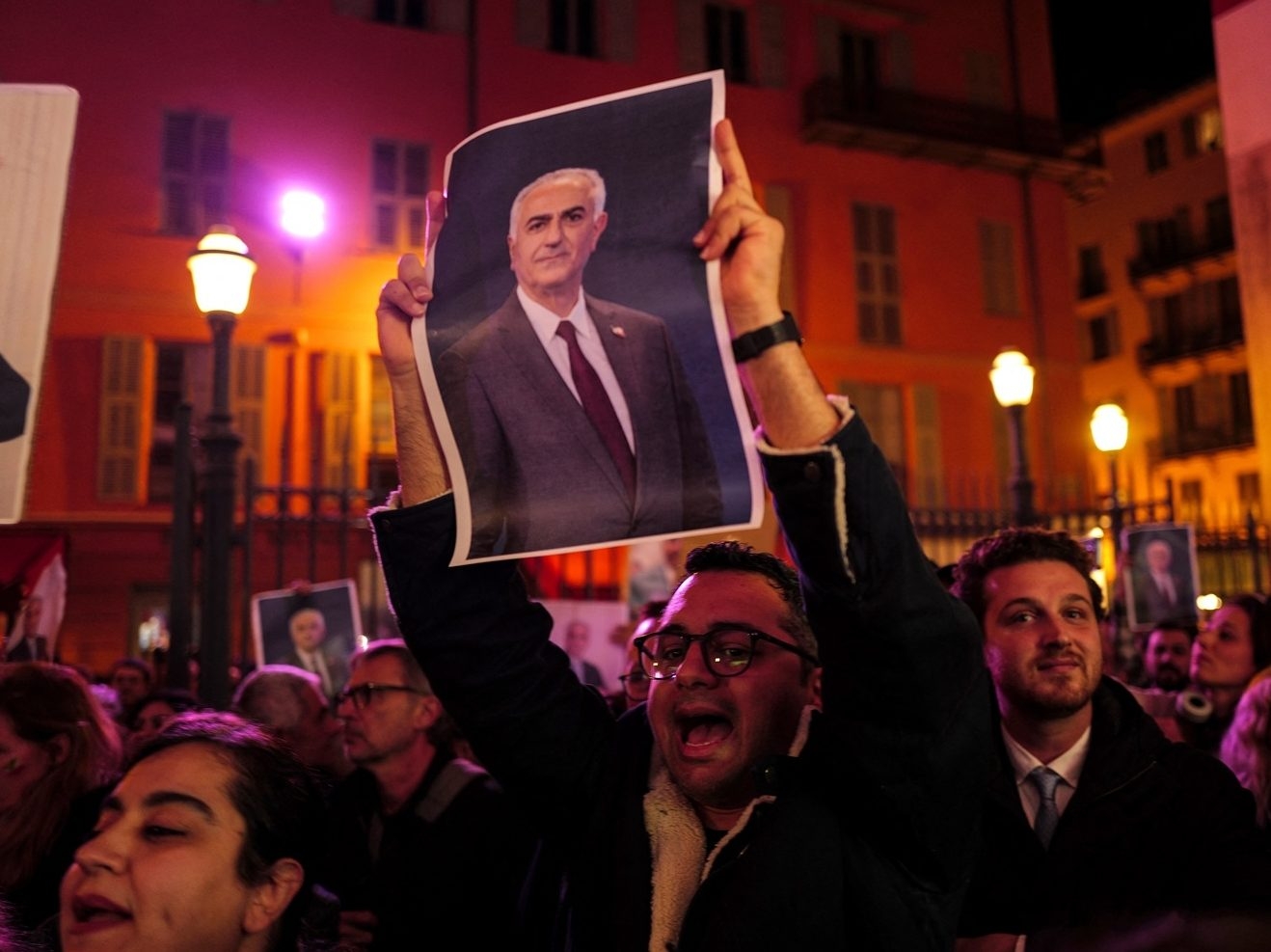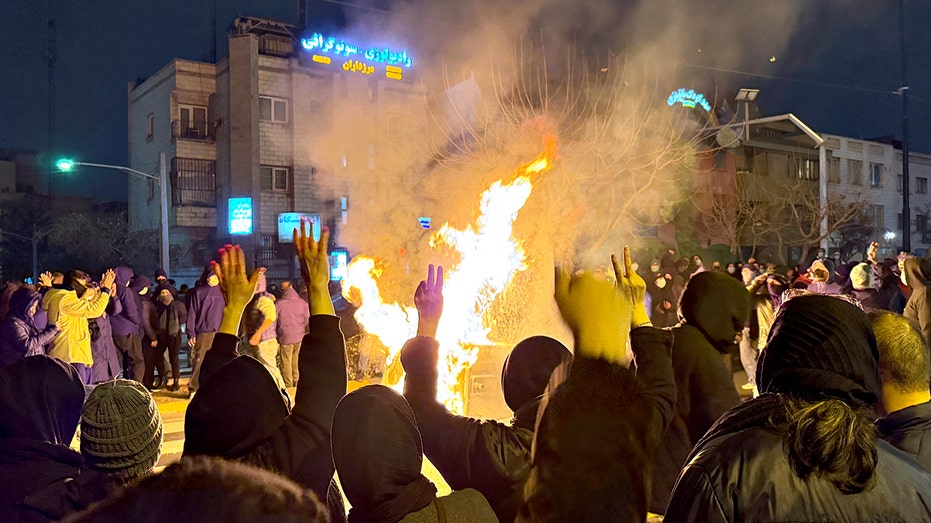
France has issued a stark condemnation of Iran’s brutal response to ongoing nationwide protests, with the ambassador to the United Nations revealing Paris is actively exploring ways to restore communication access for Iranians silenced by a near-total internet shutdown.
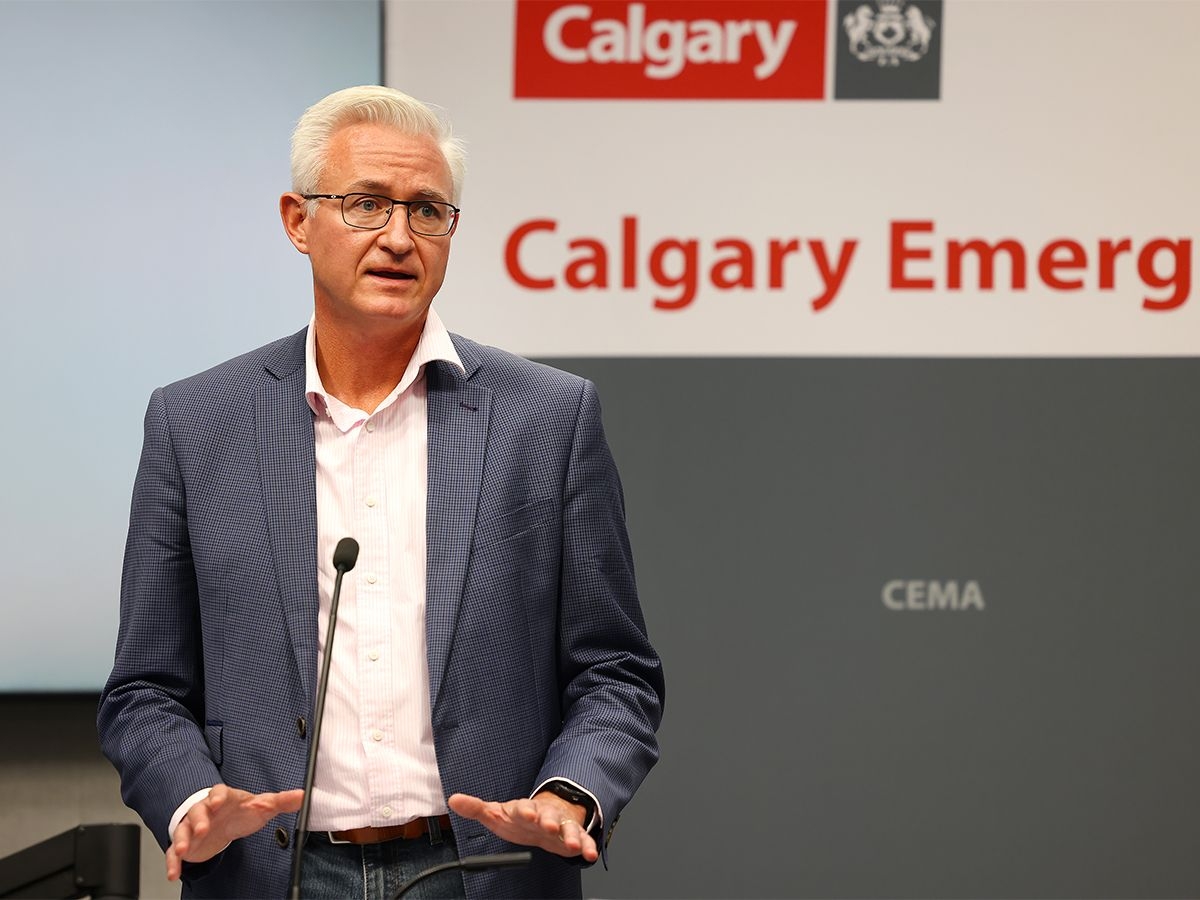
In a candid discussion, Ambassador Jerome Bonnafont detailed a disturbing escalation in the Iranian government’s repression, describing the current crackdown as more violent than previous instances. This assessment fuels France’s commitment to both sanctions and sustained diplomatic pressure on the regime.
The possibility of providing satellite communication terminals, operated by Eutelsat, is under serious consideration. This move, alongside a joint statement from the G-7 nations, underscores a unified international front against Iran’s actions and a commitment to upholding human rights.
The G-7 foreign ministers have warned of further restrictive measures should Iran continue to disregard international human rights obligations. This firm stance reflects a growing international resolve to hold the Iranian government accountable for its actions.
Beyond Iran, Ambassador Bonnafont addressed the ongoing debate surrounding defense spending within NATO, asserting a clear European commitment to bolstering its own security capabilities. He emphasized a long-held French position advocating for a more autonomous and self-reliant European defense structure.
Europe’s response to Russia’s aggression in Ukraine serves as a powerful example of this commitment, Bonnafont argued. The financial and political support provided to Ukraine has been both massive and unanimous, demonstrating a collective willingness to act decisively when core security interests are threatened.
Looking ahead, France and the United Kingdom are collaborating to establish a “coalition of volunteers” to provide Ukraine with lasting security assurances. This initiative aims to offer a framework for long-term stability once peace negotiations with Russia commence.
France is demonstrating its dedication through concrete action, including a significant increase in its defense budget for 2026 – the sole area of budgetary growth within the nation. This financial commitment underscores the seriousness of Europe’s security concerns.
Ambassador Bonnafont also highlighted the need for reform within the United Nations itself, acknowledging the recent consensus to reduce both manpower and allocated funds by 20% and 15% respectively. He framed this as a necessary step towards a more efficient and streamlined organization.
Despite advocating for reform and budget cuts, Bonnafont firmly defended the U.N.’s continued relevance on the global stage. He stressed the enduring need for a universal platform for international cooperation and problem-solving.
Addressing the U.S. decision to withhold funding from certain U.N. agencies, including UNRWA, Bonnafont emphasized the increased efficiency that comes with universal participation. He acknowledged the U.S.’s sovereign right to determine its level of engagement, while advocating for broad-based support.