Calgary is poised to breathe a collective sigh of relief. After weeks of stringent water restrictions triggered by a major feeder main break, the city anticipates lifting those measures as early as Friday.
The news arrived Wednesday from the City of Calgary Emergency Operations Centre, where officials detailed significant progress. Eastbound 16th Avenue has fully reopened, easing a major traffic bottleneck. Westbound lanes are reopening in phases, with one lane already accessible, though full restoration of curb lanes will await more permanent repairs in the spring.
Reconnecting the damaged Bearspaw South feeder main is a painstakingly delicate operation. Crews are working around the clock, meticulously preparing the system for full operation. This includes reinforcing protective measures – partial flood berm removal, pathway barriers, and ensuring pumps are ready for deployment in vulnerable areas.
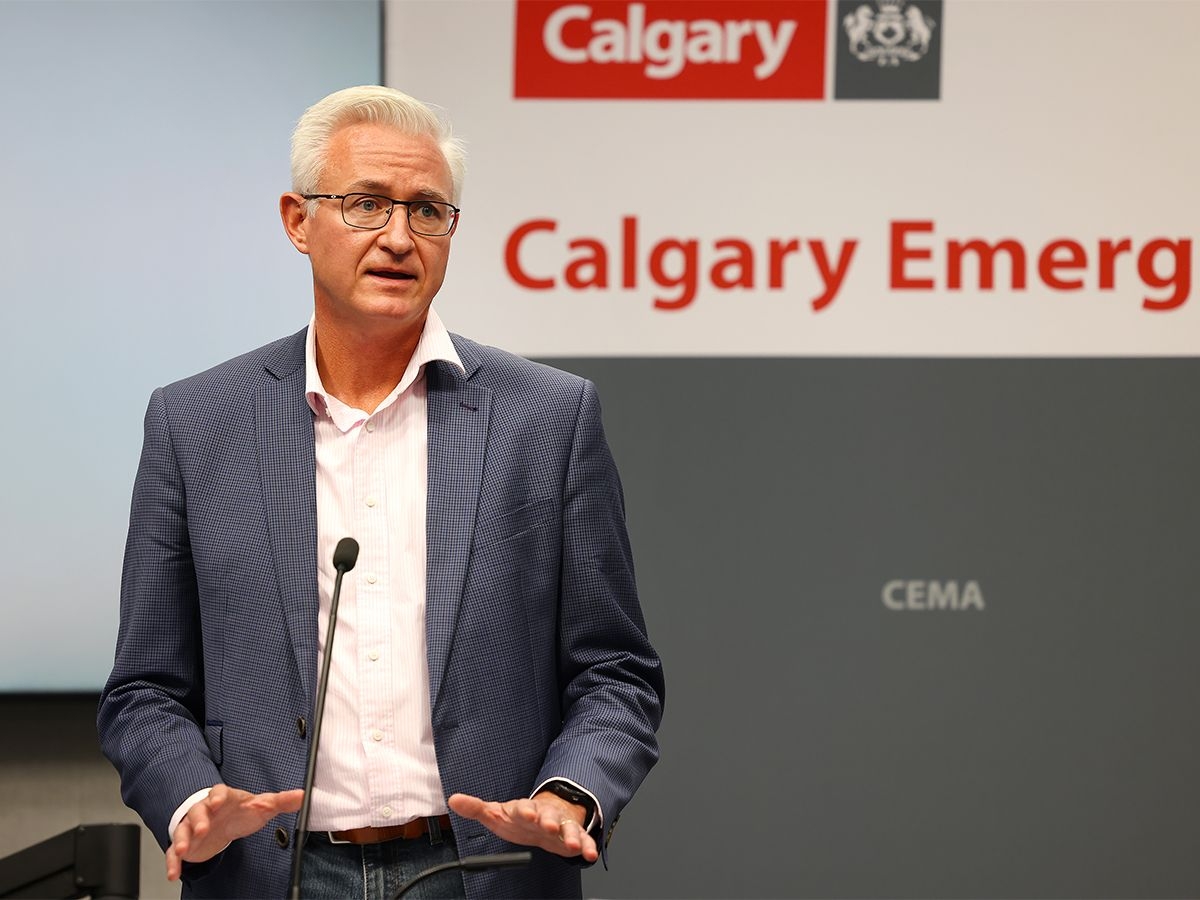
Despite rigorous testing by Alberta Health Services and Alberta Environment and Protected Areas confirming the water’s safety, officials are cautious. “We cannot guarantee that this pipe will not break as we bring it back into service,” a spokesperson admitted, underscoring the fragility of the situation.
Calgarians demonstrated remarkable cooperation, reducing water consumption to 499 million litres on Tuesday – a significant drop, though still slightly above the target of 485 million litres. This collective effort is crucial as the city carefully restarts the flow.
The reconnection process began Tuesday night, with the initial activation of pumps to gradually introduce water into the network. Each phase – the activation of additional pumps on Thursday and the final pump on Friday – requires a full 24 hours for the system to stabilize.

Residents may notice temporary changes in water clarity and a heightened chlorine smell. These are expected side effects of the restoration process, and officials emphatically assure residents that the water remains safe to drink. Increased chlorine levels are a deliberate measure to safeguard water quality during the restart.
Mayor Jeromy Farkas emphasized the importance of a measured approach. “Rushing the stage would create unacceptable risk to Calgarians,” he stated, highlighting the city’s commitment to prioritizing safety over speed. This isn’t simply about restoring water; it’s about doing it correctly.
The province has also stepped in, requesting a comprehensive review of Calgary’s water infrastructure data, dating back to the 2004 McKnight feeder main rupture. This request, delivered Wednesday by Municipal Affairs Minister Dan Williams, aims to prevent future incidents and bolster the province’s understanding of the city’s systems.
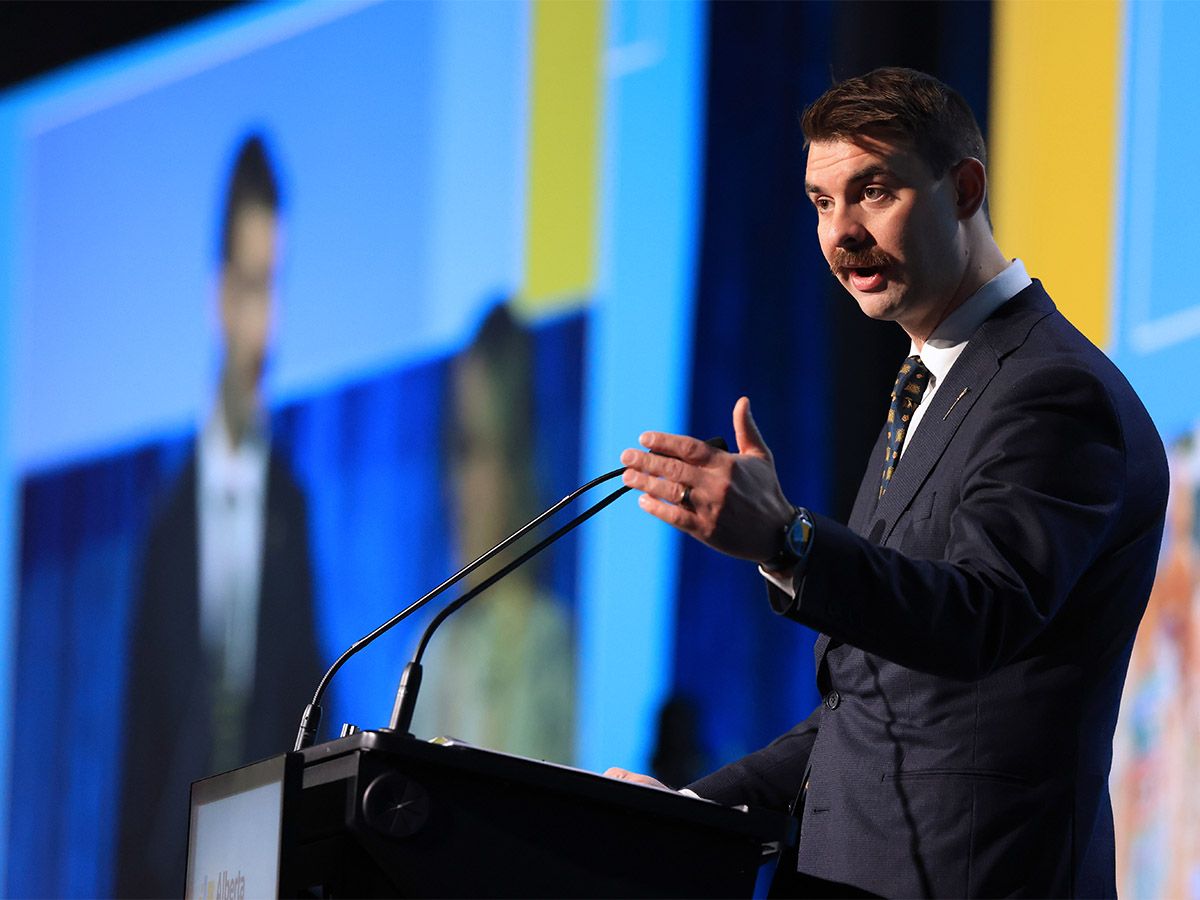
Farkas welcomed the provincial involvement, expressing a willingness to cooperate fully with the independent panel review. He believes transparency is paramount, assuring the public that every possibility and contingency is being thoroughly examined to rebuild confidence in the city’s water infrastructure.
The coming days will be critical. As Calgary cautiously returns the Bearspaw South feeder main to service, the city remains vigilant, prepared to address any unforeseen challenges. The hope is that by the end of the week, the long chapter of water restrictions will finally close, paving the way for a more secure future.