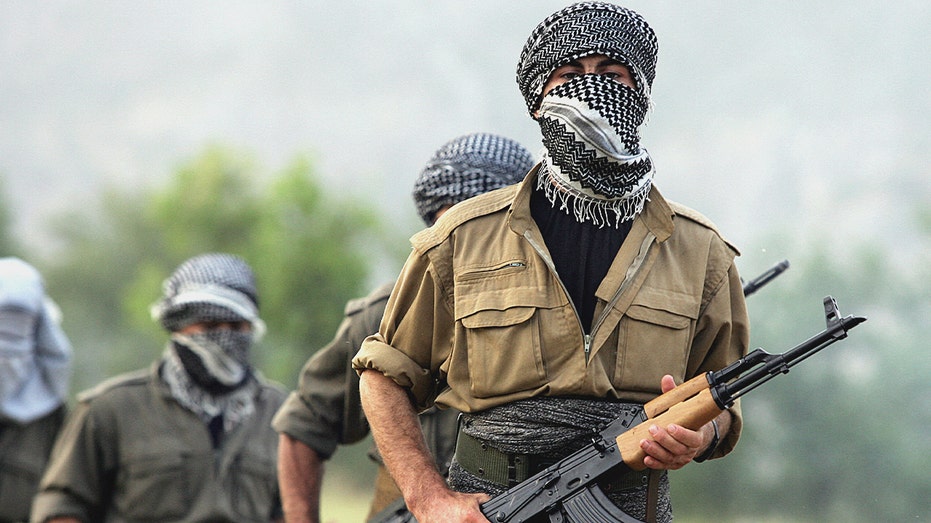
A shadow of escalating conflict now stretches across the Iran-Iraq border. Recent reports indicate armed groups, identified as Kurdish separatists, attempted incursions into Iranian territory, igniting fears of a wider regional destabilization fueled by Iran’s ongoing internal unrest.
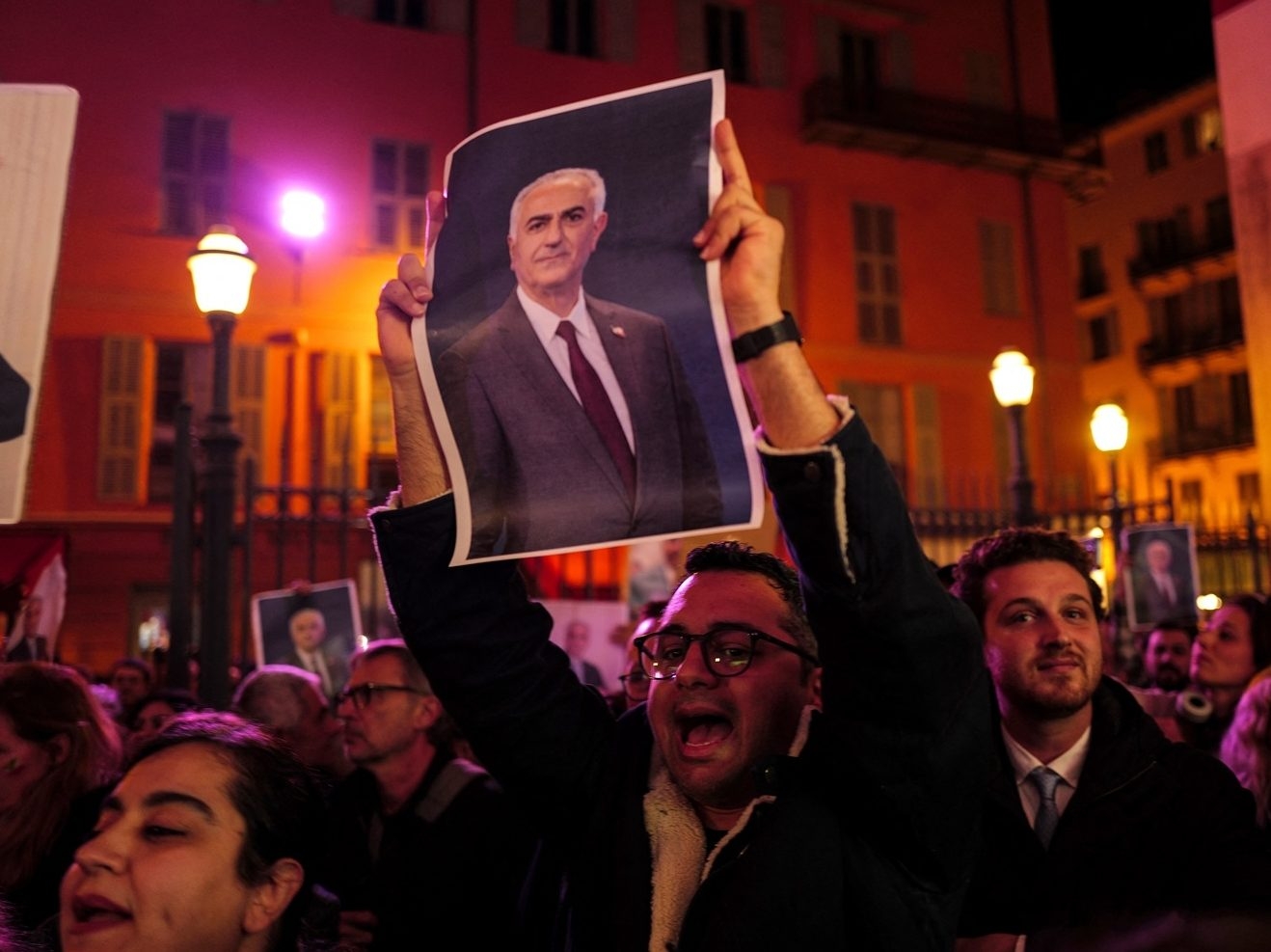
These attempted breaches occurred against a backdrop of intense government suppression of nationwide protests. Iran’s Islamic Revolutionary Guard Corps is spearheading the crackdown, responding with force to demonstrations challenging the current regime.
Intelligence suggests the incursions originated from armed militia operating within Iraq, specifically targeting western and northwestern Iran. A warning from Turkish intelligence, MIT, reportedly alerted the IRGC to the impending crossings, revealing a coordinated effort by Kurdish fighters.
Clashes erupted following the attempted border crossings, with Iranian officials accusing the fighters of exploiting the existing turmoil to sow further chaos. The situation highlights a dangerous convergence of internal dissent and external pressures.
The Kurdish population, numbering around 30 million across the Middle East, primarily resides in Iran, Iraq, Syria, and Turkey. This demographic reality adds a complex layer to the regional security landscape, particularly given Turkey’s own history with Kurdish militant groups.
Turkey has long designated Kurdish groups in northern Iraq as terrorist organizations, launching multiple cross-border military operations to dismantle their bases. While the Kurdistan Workers’ Party (PKK) previously announced intentions to disarm by 2025, tensions remain high.
Both Iran and Turkey have demanded accountability from neighboring countries. Iranian authorities allege the fighters were dispatched from both Iraq and Turkey, requesting both governments halt any further transfer of personnel or weaponry.
The human cost of the unrest within Iran continues to mount. The Human Rights Activists News Agency reports a grim tally of at least 2,571 deaths resulting from the government’s crackdown on protesters.
Amidst the escalating crisis, conflicting reports emerged regarding the severity of the repression. Claims surfaced suggesting a cessation of killings, though the source of this information remains unconfirmed.
Adding to the sense of urgency, Iran temporarily closed its airspace to most commercial flights for a period exceeding two hours, a move that further underscored the heightened state of alert and the volatile nature of the situation.