Leon Panetta, a former U.S. Secretary of Defence, cuts to the heart of war: leaders must define a clear mission, a compelling “why” for those sent into harm’s way. He warns that a shifting objective breeds confusion, erodes purpose, and ultimately undermines the entire effort. This fundamental principle is now strikingly relevant as conflict escalates in the Middle East.
The initial impetus for action, the rationale behind the strikes, appears to be in constant flux. Is the goal regime change in Iran? Preventing nuclear proliferation? Combating terrorism? Each is a worthy aim, yet the lack of a unified, unwavering purpose creates a dangerous ambiguity. The weight of defining this mission, initially, fell squarely on those who initiated the conflict.
However, the repercussions of this unfolding situation are rapidly extending beyond those directly involved, reaching even Canada’s leader, Mark Carney. Despite a lack of consultation and no Canadian military presence, the war is becoming a significant political challenge. This is a problem largely of Carney’s own making.
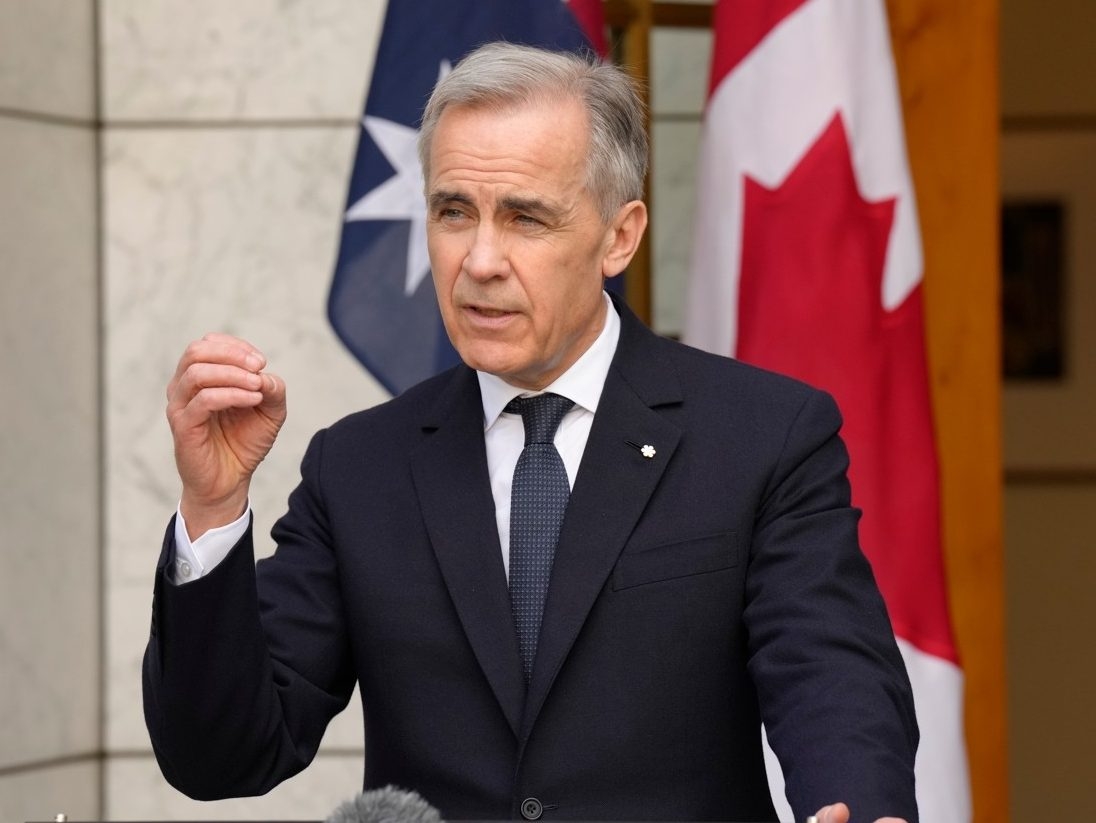
Immediately following the commencement of military action, Carney issued a strong statement, unequivocally aligning Canada with the United States and Israel. He condemned Iran as a source of instability and terror, and affirmed Israel’s right to self-defense. It was a decisive declaration, a departure from previous neutrality, and a clear signal of support.
That clarity proved fleeting. Within 48 hours, Carney appeared to completely reverse course, expressing “regret” over the conflict and labeling it a “failure of the international order.” The shift was jarring, a stark contrast to the initial, resolute stance. It left observers questioning the foundation of Canada’s position.
The vacillation didn’t stop there. Days later, when pressed on the possibility of Canadian troop involvement, Carney offered a non-denial, stating that “one can never categorically rule out participation.” This stood in stark contrast to a firm declaration made 23 years prior by former Prime Minister Jean Chrétien, who unequivocally stated Canada would not participate in another Middle Eastern war.
Chrétien’s four-word statement – “Canada will not participate” – provided unwavering clarity. Carney, however, has offered a confusing series of reversals and qualifications. His initial statement, a moment of welcome clarity, was quickly overshadowed by uncertainty and doubt.
Canada is not simply a passive observer in this conflict. The nation has already suffered direct losses at the hands of Iranian actions. Eighty-five Canadians perished when Iran shot down Ukraine International Airlines Flight 752. Seven were murdered during the Hamas attacks in Israel, attacks supported by Iran. Even former Canadian officials have been targeted for assassination.
Iran has inflicted pain on Canadians and has never been held accountable. Therefore, our leader should remember Panetta’s warning: in times of war, citizens deserve a clear understanding of the “why.” They deserve transparency and a firm, unwavering commitment to a defined purpose. Mark Carney has, thus far, failed to provide either, damaging both Canada’s reputation and his own credibility.