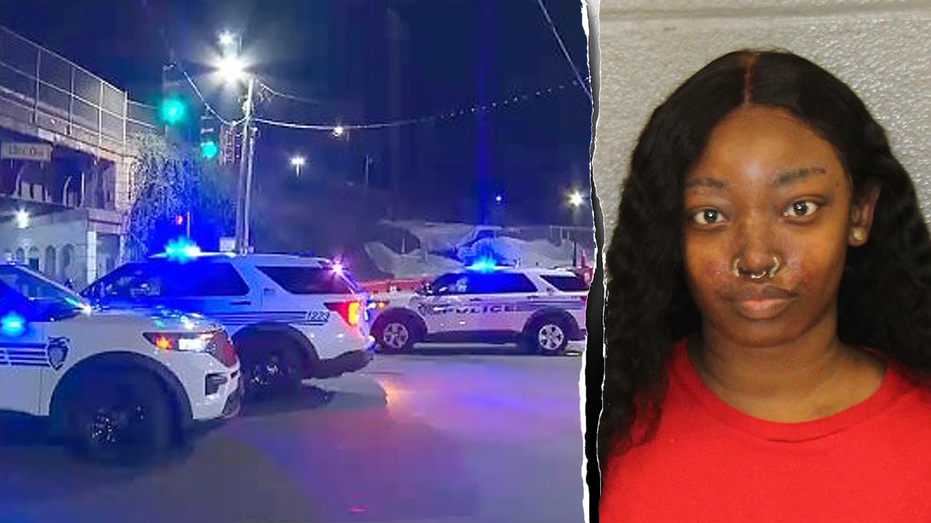
A mother’s life was brutally cut short at a Fairfax County bus stop in February, a tragedy that has ignited a firestorm of criticism directed at the local prosecutor. Stephanie Minter, 41, was stabbed multiple times, and the man charged with her murder, Abdul Jalloh, carried a chilling history of escalating criminal behavior.
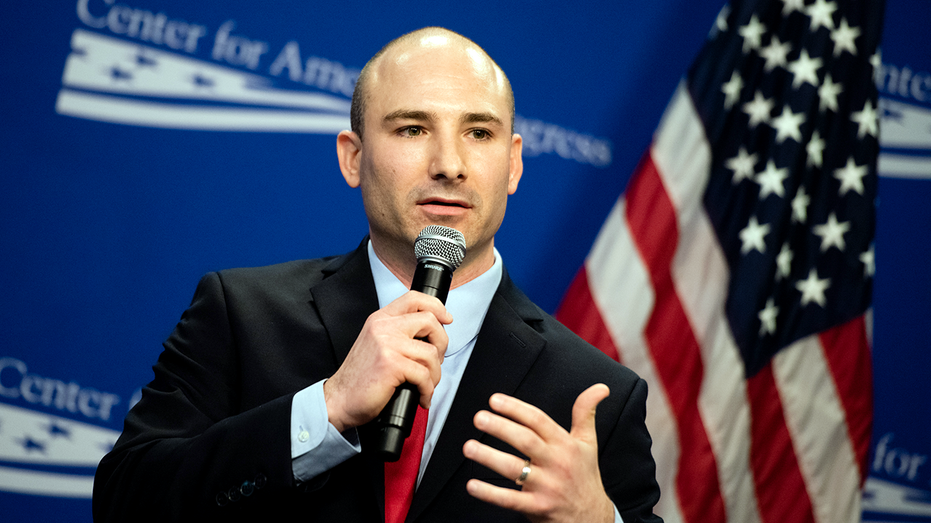
Jalloh’s past wasn’t a secret. For years, he’d cycled through the criminal justice system, racking up over 30 arrests. Yet, time and again, charges were dismissed or reduced, allowing him to remain free – a pattern that a concerned Fairfax County Police major repeatedly brought to the attention of the Commonwealth’s Attorney, Steve Descano.
Emails reveal the major’s growing alarm, describing Jalloh as a “repeat (and violent) offender.” He urgently questioned why Jalloh was released so quickly after arrests, fearing the inevitable: “It is not a question of if, but rather when he will maliciously wound (or worse) again.” The major’s pleas for insight into the prosecution strategy went unanswered, or met with explanations that ultimately failed to prevent the unthinkable.
Jalloh’s journey to this point began in 2012, when he entered the United States illegally from Sierra Leone. Despite a final order of removal issued in 2020 – authorizing his deportation – he remained in the country, free to allegedly commit further crimes. The system designed to protect the public seemingly failed at multiple levels.
This case isn’t isolated. Descano’s office has faced scrutiny for other controversial decisions, including a plea deal offered to a man accused of murder. In that instance, the suspect, after being charged with the shooting death of a man, was found not guilty by reason of insanity and could potentially be released from a psychiatric facility after evaluations.
The victim’s wife, Heather Glyer, delivered a heartbreaking statement in court, lamenting the loss of her life partner and the devastating impact on their children. “I was robbed of my life partner,” she said, her voice filled with anguish. “My kids were robbed of their father.”
Another case involved a man who allegedly choked his ex-wife and threatened her with a knife. Despite the severity of the charges – felony abduction, felony strangulation – prosecutors allowed him to plead guilty to lesser offenses, a decision the victim vehemently disputed. She feared for her life and the safety of her children, stating, “He’s dangerous.”
A particularly disturbing case involved a man accused of horrific crimes against a minor. Crucially, the prosecution missed a critical evidentiary deadline, preventing the use of key evidence, including a confession. The result? A plea deal for a misdemeanor assault, a one-year sentence served, and no requirement to register as a sex offender. The victim’s mother, overwhelmed with grief, described the injustice, saying, “He got no justice.”
These cases paint a troubling picture, raising serious questions about the balance between leniency and public safety. The decisions made within the Commonwealth’s Attorney’s office have had devastating consequences, leaving families shattered and communities grappling with a sense of vulnerability and betrayal.