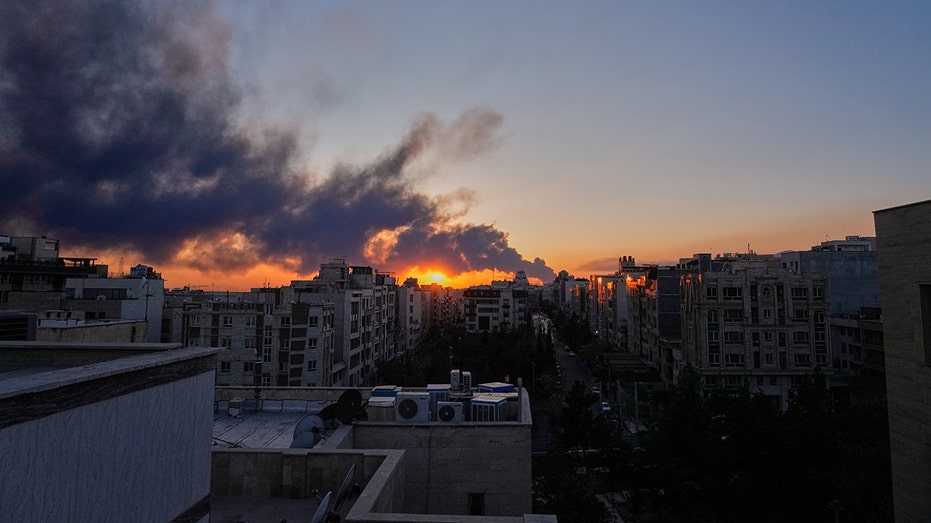
A fierce debate is gripping Capitol Hill, centered on whether President Trump’s recent strikes against Iran constitute an act of war. The core question isn’t simply about past actions, but about who holds the power to dictate future military engagement – the President, or Congress.
Republicans largely defend the operation as a precise, targeted effort to prevent Iran from developing nuclear weapons. They see it as a necessary action, falling within the President’s existing authority. Democrats, however, paint a far more alarming picture, warning of a conflict spiraling out of control.
Senator Tim Kaine of Virginia argues that Congress is being sidelined, reduced to a passive observer instead of fulfilling its constitutional role. He contrasts this situation with previous limited operations, like the capture of Nicolás Maduro, where the administration explicitly framed the action as a targeted “police operation.”
Democrats are increasingly focused on the War Powers Act of 1973, a law designed to limit the President’s ability to wage war without Congressional approval. They believe this act provides a crucial check on presidential power, particularly given their assessment that the strikes represent a significant escalation.
The War Powers Act stipulates that presidential military actions against a foreign power cannot continue beyond 60 days without Congressional authorization. Democrats are pushing for a resolution to invoke this act, effectively curbing the President’s authority in Iran.
Senator Josh Hawley of Missouri vehemently opposes invoking the War Powers Act, arguing the current conflict remains limited in scope and falls within the President’s constitutional authority as Commander-in-Chief. He points to Article II of the Constitution, which grants the President significant military power.
Last week’s coordinated strikes, conducted with Israel, resulted in the death of Ayatollah Ali Khamenei, Iran’s supreme leader. The administration has justified the attack as a vital step in preventing Iran from acquiring a nuclear weapon, framing it as a preemptive measure against a grave threat.
While Senator Hawley currently supports the administration’s actions, he acknowledges a clear boundary. He believes the introduction of ground troops would fundamentally alter the situation, demanding Congressional authorization. He suggests Democratic opposition is largely politically motivated.
Democrats remain deeply skeptical, pointing to the administration’s own rhetoric. Several officials, including the President and Secretary of State, have used the word “war” to describe the situation, a term Democrats believe triggers Congressional authority.
Senator Richard Blumenthal of Connecticut emphasizes that if the administration views this as a war, then Congress must formally authorize it. He argues that the decision to engage in armed conflict is too significant to be made unilaterally by the President.
Senator Mark Warner of Virginia challenges the administration’s justification for the attack, asserting there was no imminent threat to the United States. He characterizes the strikes as a “war of choice,” demanding the President seek Congressional approval before proceeding further.
Senator Dick Durbin of Illinois shifts the focus to the ultimate cost of conflict, emphasizing that the American people bear the burden of war. He believes the decision to send troops into harm’s way should always rest with the people, through their elected representatives in Congress.
The debate isn’t simply about legal technicalities; it’s about fundamental questions of power, responsibility, and the potential consequences of escalating conflict in a volatile region. The stakes are incredibly high, with the future of U.S. foreign policy and the lives of American citizens hanging in the balance.


