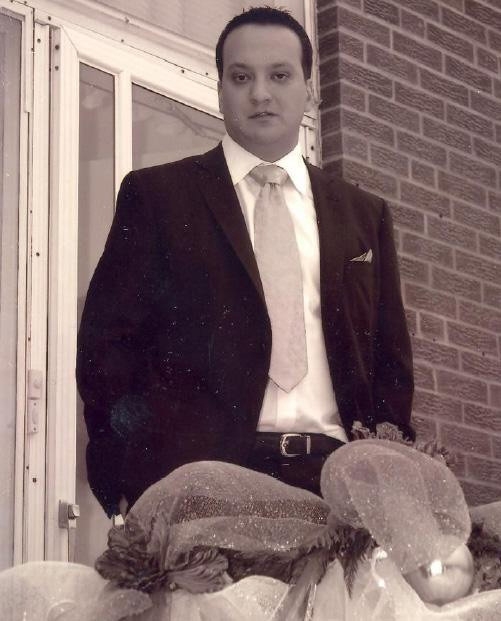
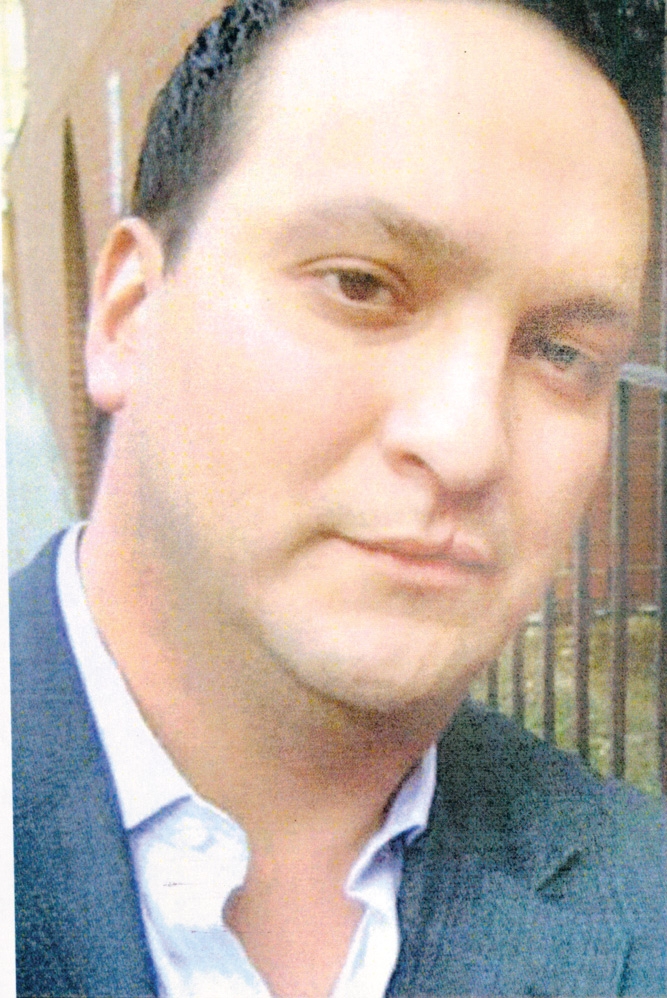
The Caribbean sun felt impossibly distant for George Koutroubis. Just hours before his honeymoon flight, the vibrant Toronto restauranteur vanished, leaving behind a whirlwind of worry and unanswered questions.
Five days of desperate searching culminated in a chilling discovery. Koutroubis’s body was found in the trunk of his BMW, abandoned in Brampton, a stark 80 kilometers from the life he knew. The joyous anticipation of a new marriage had been brutally extinguished.
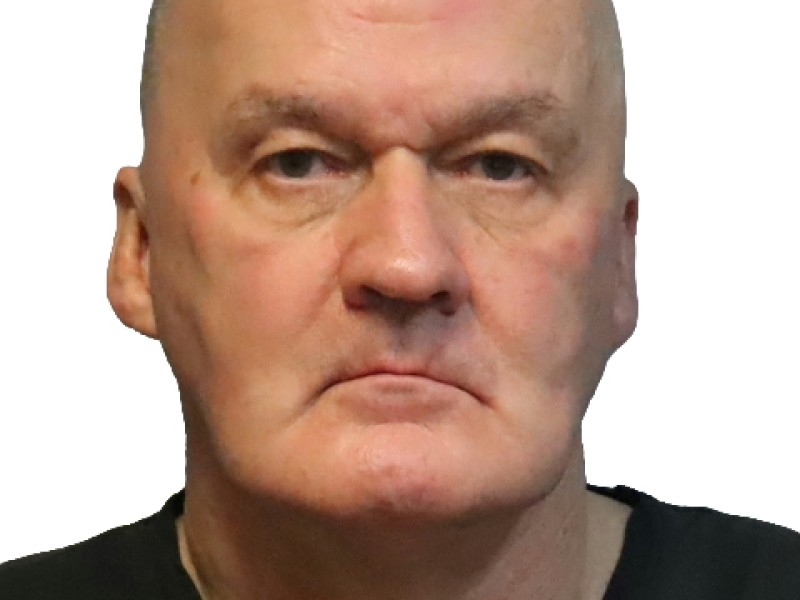
The truth, when it emerged, was a descent into darkness. Andrew Campbell, a seemingly ordinary janitor, harbored a double life as a drug dealer and a dangerous debt. He’d lured Koutroubis to Whitby under the guise of collecting $27,000, then coldly shot him four times at point-blank range.
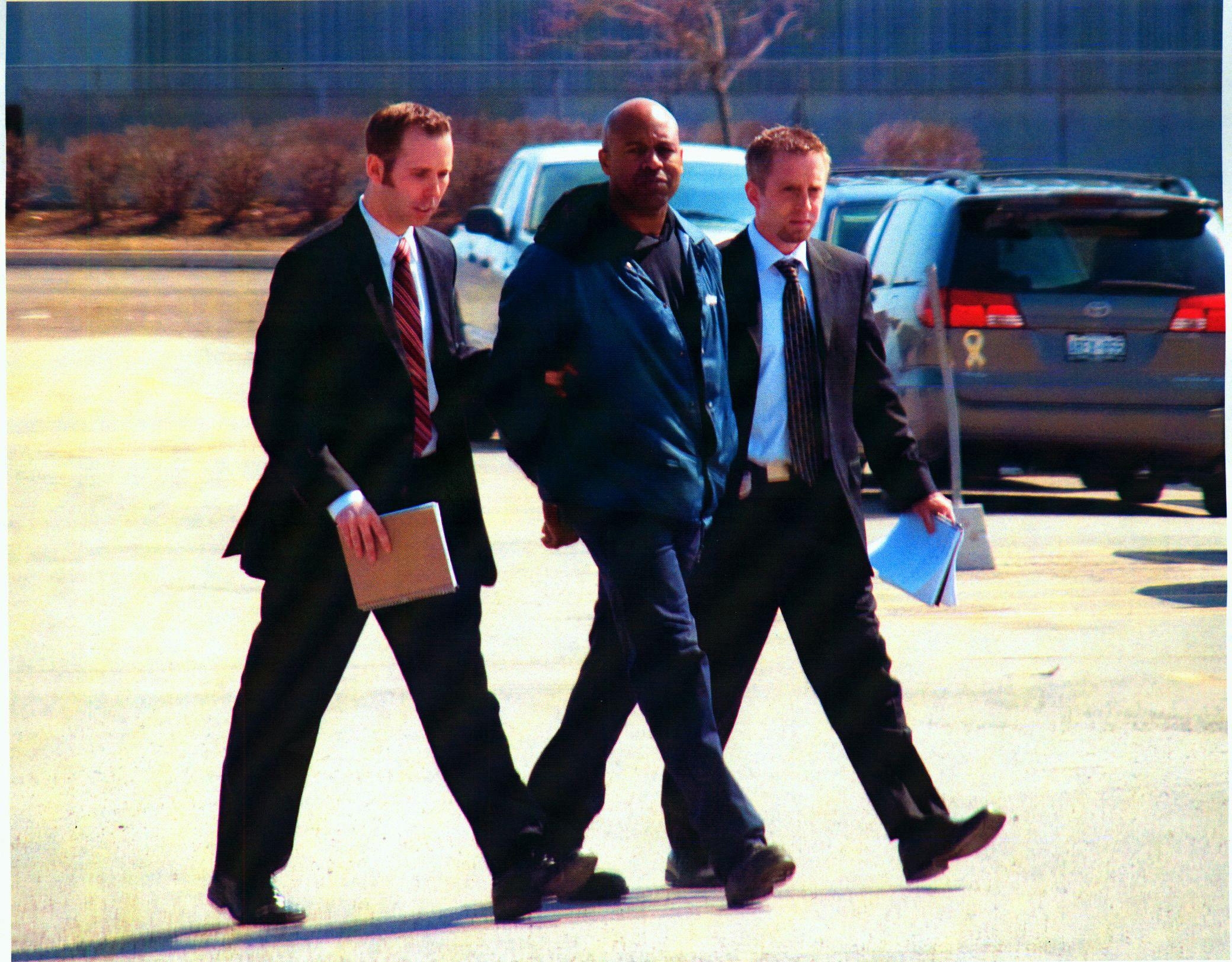
Campbell’s actions following the murder were chillingly calculated. He went about his daily routine – picking up his children from daycare – before callously depositing the BMW and its horrific secret in Brampton. He then relied on public transit, crafting a flimsy alibi for his 17-year-old son, claiming trouble with a bookie and a fabricated story of being home all night.
That carefully constructed lie quickly unraveled. Two years later, a Brampton jury delivered a swift verdict: first-degree murder. Campbell received an automatic life sentence, with no possibility of parole for 25 years, though a “faint hope” hearing offered a potential, albeit distant, path to early release after 15 years.
The law demanded a screening – a judge had to determine if Campbell demonstrated a “reasonable prospect” of convincing a jury he was truly reformed. Superior Court Justice Jennifer Woollcombe, however, saw through the facade. Despite some progress, she believed no jury would accept Campbell’s claim of genuine remorse.
For years, Campbell clung to a narrative of self-defense, claiming *he* was the one owed money – a staggering $170,000 for cocaine – and that Koutroubis had arrived with a weapon. A friend, he alleged, had pulled a gun, and the shooting was a tragic accident during a struggle.
Then, on the eve of his faint hope hearing, a stunning admission. Campbell finally confessed to murdering Koutroubis. But even this confession felt incomplete, tainted by a refusal to accept full responsibility.
He blamed his childhood in Jamaica, arguing that his upbringing instilled a “kill or be killed” mentality. He wrote that his experiences had led him to believe swift, decisive action was necessary when life was threatened. Justice Woollcombe saw this as a desperate attempt to deflect blame.
“It would inevitably be seen by any jury as a transparent and feigned attempt to appear to have accepted responsibility,” she wrote, dismissing his justification as “illogical and incredible.” Campbell had left Jamaica at age nine; to attribute the murder to his early childhood felt like a calculated manipulation.
The devastation inflicted on Koutroubis’s family continues to echo through the years. In victim impact statements, they described a future stolen, a life brimming with promise abruptly cut short. His widow, remarried and with children, confessed that not a single day passes without thoughts of the man she lost.
Justice Woollcombe concluded that Campbell was unlikely to sway a jury towards early parole. The brutality of the crime, his subsequent actions, and the enduring pain of the victim’s family weighed heavily against him. The compelling changes needed to demonstrate genuine transformation were simply absent.
The case stands as a stark reminder of the enduring consequences of violence and the long shadow it casts over those left behind. It’s a story of betrayal, a stolen future, and a chilling lack of true remorse.