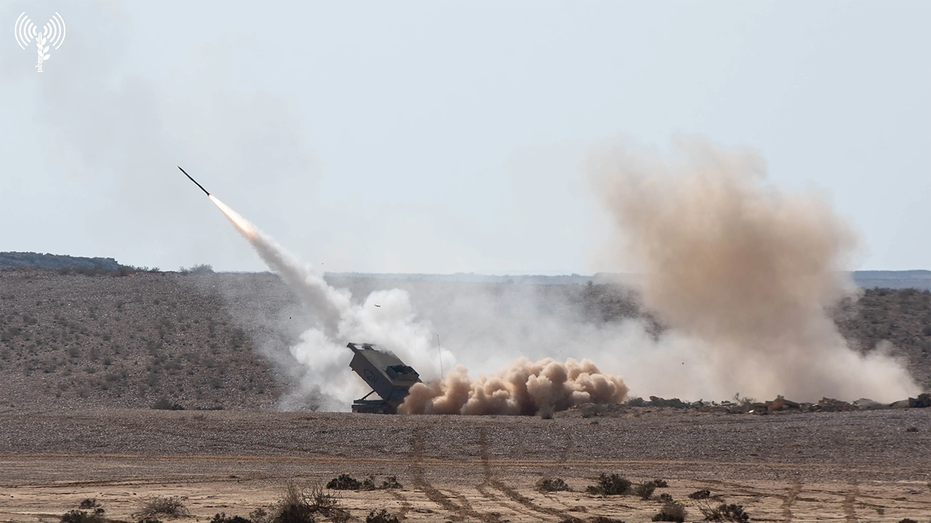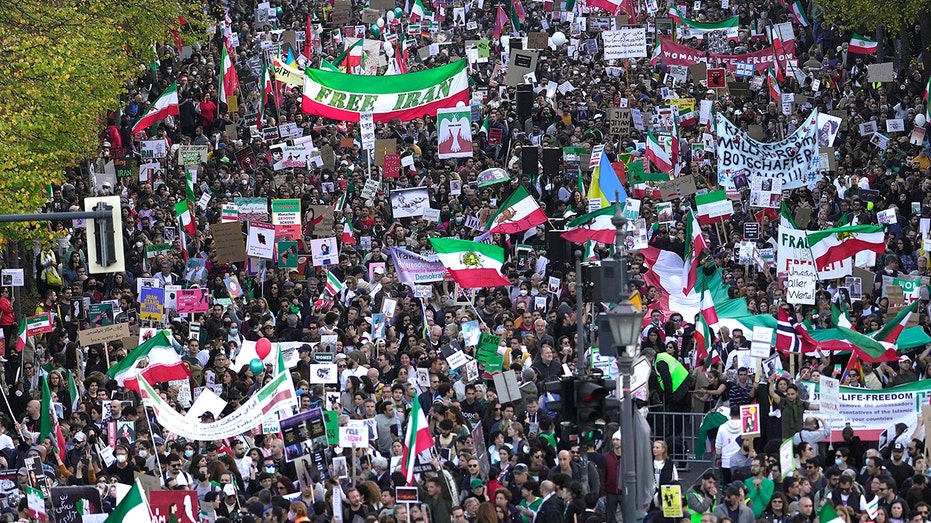
The air crackles with uncertainty as strikes target the heart of Iran, raising a critical question: what comes next? Beyond the immediate conflict, a fierce debate is unfolding about the future leadership of a nation potentially on the brink of upheaval.
A central concern among observers is the fractured nature of the Iranian opposition. Can disparate groups, long divided by ideology and ambition, forge a unified front capable of dismantling the existing regime and building something new? The challenge is immense, steeped in the lessons of past failures.
Lawdan Bazargan, an activist imprisoned for her dissent, cautions against repeating history. She recalls the 1979 revolution, where a single figure consolidated power, silencing other voices. “Unity cannot mean everyone stands under my flag,” she insists, warning against the dangers of prematurely elevating any individual to supreme authority.
The specter of Venezuela looms large in these discussions – a cautionary tale of a regime replaced by a successor mirroring its authoritarian tendencies. Bazargan argues for a structured transition, prioritizing free and fair elections within a year, and establishing a system of distributed power to prevent the rise of another supreme leader.
Crown Prince Reza Pahlavi finds himself at the center of this debate, seen by some as a natural leader to guide Iran towards democracy. Mariam Memarsadeghi emphasizes his responsibility to build genuine alliances, urging reconciliation with former collaborators and a rejection of internal divisions exploited by the regime.
Yet, Pahlavi’s leadership is not universally accepted. Critics point to past missteps and a tendency to alienate potential allies. A recent dispute with a newly formed Kurdish coalition, initially labeled “separatist,” underscores the delicate balance he must strike to foster true cooperation.
Despite the skepticism, supporters claim Pahlavi enjoys unprecedented popular support within Iran, with his name openly chanted in defiance of the ruling powers. Reza Farnood describes a level of unity he’s never witnessed in nearly five decades of activism, even among those historically opposed to the Pahlavi dynasty.
Another significant force in the opposition is the Mojahedin-e-Khalq (MEK), an exiled organization that first exposed Iran’s nuclear ambitions and actively conducts operations against the regime. Led by Maryam Rajavi, the MEK advocates for a secular provisional government and a clear break from the theocratic past.
The MEK, however, faces its own challenges, often viewed with suspicion within Iran. Ali Safavi of the National Council of Resistance of Iran argues that unity must be based on core principles – republicanism, human rights, and the separation of religion and state – rather than personality or nostalgia.
Andrew Ghalili defends Pahlavi’s legitimacy, asserting that no other figure commands the trust of the Iranian people or would be a credible partner for the international community. He highlights a broad coalition formed around the Crown Prince, encompassing monarchists, republicans, and ethnic minority representatives.
Ultimately, the path forward remains uncertain. Bazargan warns that external actors should avoid anointing leaders, instead focusing on a framework that empowers all Iranians and safeguards against the concentration of power. The future of Iran hinges on a delicate balance – a transition that honors the sacrifices of the people and avoids repeating the mistakes of the past.
Memarsadeghi echoes this sentiment, emphasizing that the Iranian people will not accept a process that leaves any remnants of the regime in power – the regime that inflicted so much suffering upon them.