A breathtaking spectacle unfolded over the Pacific Northwest Tuesday night: a brilliant fireball tore through the sky, accompanied by a startling boom that rattled homes across Metro Vancouver and the B.C. South Coast.
Reports flooded in from as far west as Comox, stretching eastward to Merritt, and even reaching into Seattle, painting a picture of a widespread event witnessed by countless individuals just after 9 p.m.
The celestial visitor appeared to enter Earth’s atmosphere north of Coquitlam, blazing a trail from south to north, according to University of British Columbia astronomy professor Brett Gladman.
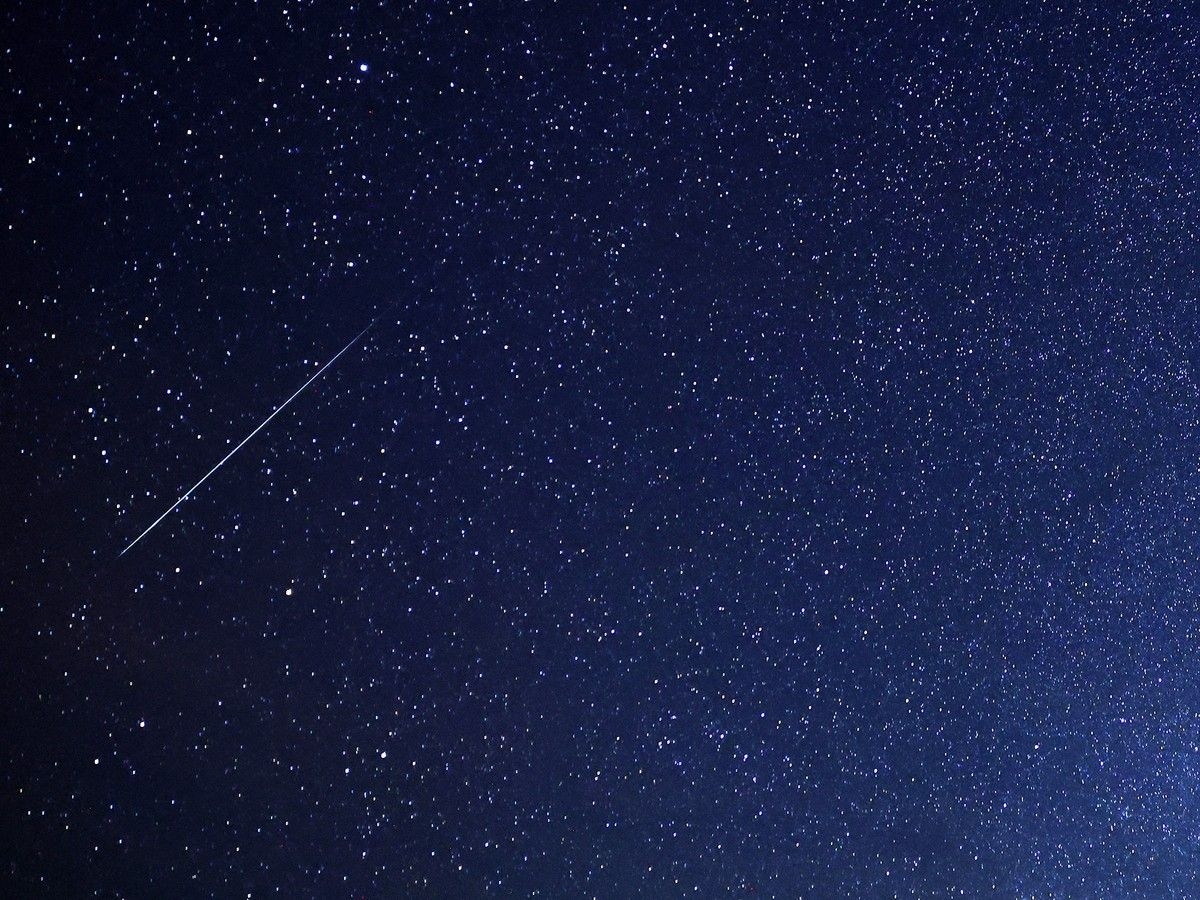
Gladman explained that initial assessments suggest this was a typical “fireball” – the result of a rocky asteroid fragment, roughly 10 to 100 centimetres in size, burning up in the upper atmosphere, a phenomenon that occurs daily around our planet.
This wasn’t a subtle glimmer; the fireball left a visible trail for several seconds before culminating in a brilliant flash as it dramatically decelerated, creating a stunning display for those lucky enough to witness it.
The Lower Mainland quickly buzzed with speculation as residents took to social media, attempting to decipher the source of the light and the accompanying sound. Many reported hearing not one, but two distinct booms.
The force of the event was palpable, with some individuals describing their doors and windows rattling from the shockwaves. Even sensitive seismographs operated by the federal government registered a clear spike around 9:08 p.m., confirming the impact.
Reports of the sonic boom extended across a wide geographical area, from Mission, British Columbia, all the way to Port Angeles, Washington, indicating the scale of the atmospheric disruption.
One resident of Belcarra described a “massive flash of light” over the North Shore, followed by two explosions that shook their entire house, noting the unusual delay of 3-5 minutes between the events.
The booms were a direct result of the object exceeding the speed of sound as it fragmented, creating a sonic boom akin to that produced by supersonic jet aircraft, Gladman clarified.
Because sound travels at a relatively slow pace – approximately 20 kilometres per minute – the audible boom arrived 1.5 to four minutes after the initial visual explosion, explaining the time difference reported by witnesses.
Any surviving fragments of the meteor likely landed in the heavily forested mountains tens of kilometres north of Coquitlam, but Gladman cautioned that locating them would be an incredibly challenging task.
Despite the dramatic display, the event serves as a reminder of the constant influx of space debris and the protective role our atmosphere plays in shielding us from larger impacts.