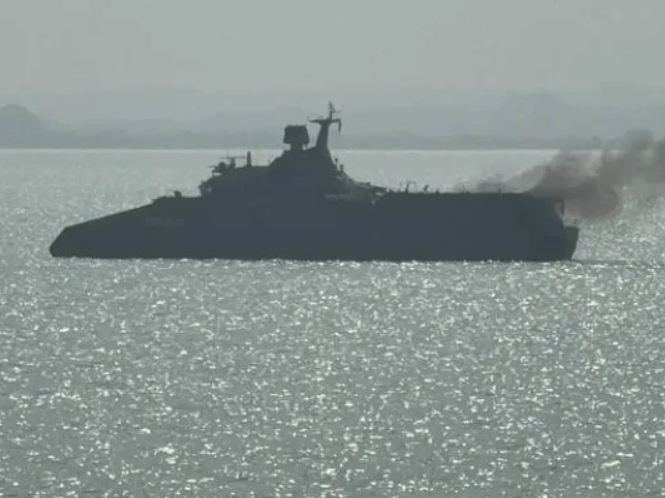
A chilling silence descended upon the Indian Ocean as a U.S. submarine achieved a feat unseen since the Second World War: the sinking of an Iranian warship. The IRIS Dena, a vessel thought secure in international waters, met a swift and decisive end, claimed by a single, silent torpedo. This wasn’t a declared battle; it was a calculated strike, a demonstration of power in a rapidly escalating conflict.
The aftermath is stark. At least 87 Iranian sailors are confirmed dead, with another 60 lost to the waves. Footage released by the U.S. Navy paints a grim picture of the impact, a moment of destruction that has irrevocably altered the balance of power in the region. Thirty-two survivors were pulled from the water, haunted by the suddenness of the attack and the loss of their comrades.
The sinking occurred approximately 40 kilometers south of Sri Lanka, as the Dena returned from naval exercises. But this single event is merely a thread in a widening web of violence. A separate Iranian missile, aimed at Turkey, was intercepted and destroyed by NATO forces, signaling the conflict’s dangerous expansion beyond the Middle East.
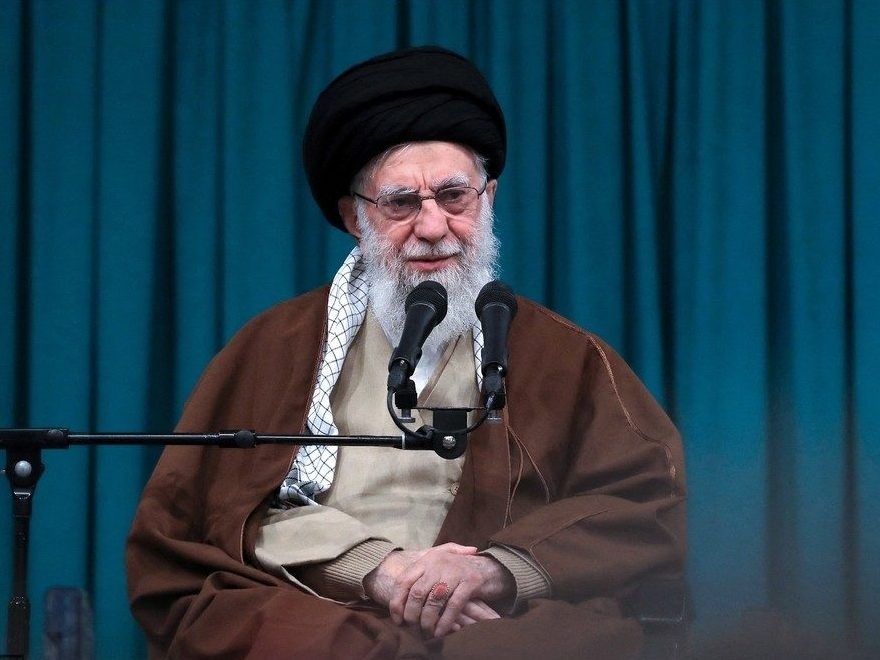
Israel has issued a stark warning: any future leader of Iran will face the same fate as Ayatollah Ali Khamenei, the recently assassinated Supreme Leader. His planned funeral in Tehran has been indefinitely postponed amidst renewed airstrikes, a clear indication of the instability gripping the nation. Overnight attacks saw Iranian drones targeting the U.S. consulate in Dubai, igniting a blaze, and a missile strike against a major American military base in Qatar.
Intelligence agencies are now bracing for a new, insidious threat. British intelligence sources reveal Iran has activated sleeper agents within the U.K., poised to unleash chaos. These agents, potentially linked to the Basij paramilitary militia, are believed to be tasked with targeting dissidents and activists, while simultaneously launching cyberattacks to cripple critical infrastructure.
The potential for escalation is terrifying. Security experts warn that a leadership vacuum in Iran creates a volatile environment, incentivizing risky actions to demonstrate strength and control. Periods of heightened confrontation, they explain, invariably lead to increased aggression and a willingness to operate outside established norms.

Thousands of tourists are now trapped in a desperate situation, held hostage by Iran’s blockade of the Strait of Hormuz. Cruise ships, transformed into floating prisons, are unable to depart as Iran vows to destroy any vessel attempting passage. Airlines are scrambling to evacuate passengers, but the situation is deteriorating rapidly, with dwindling supplies and mounting panic among those stranded.
“Many passengers, including many families with children, are starting to lose their composure,” one traveler reported. “Nobody knows how or when we will get out of here.” The fate of these individuals hangs precariously in the balance, dependent on a resolution to the escalating conflict.
Fueling the fire is a newly issued fatwa, a religious decree, from an enraged Iranian cleric. Mad mullah Nasser Makarem Shirazi has called upon all Muslims to avenge the death of Ayatollah Ali Khamenei, labeling the U.S. and Israel as the “main perpetrators” of his assassination. Counterterrorism experts fear this edict will incite violence and trigger a wave of terror attacks.
Iran’s history of exporting terrorism is well-documented. Past plots, including a bomb attempt at a Paris rally attended by 100,000 people, and assassination attempts on opposition figures in Denmark, demonstrate a willingness to strike beyond its borders. In 2012, a bombing in New Delhi, targeting an Israeli diplomat, further underscored this dangerous pattern.
The Revolutionary Guard’s reach extends far beyond Iran’s immediate neighbors, with chilling ties to organized crime and a relentless pursuit of dissidents across the globe. The current crisis has amplified these threats, demanding heightened vigilance from security services worldwide as they prepare for a potential surge in attacks.