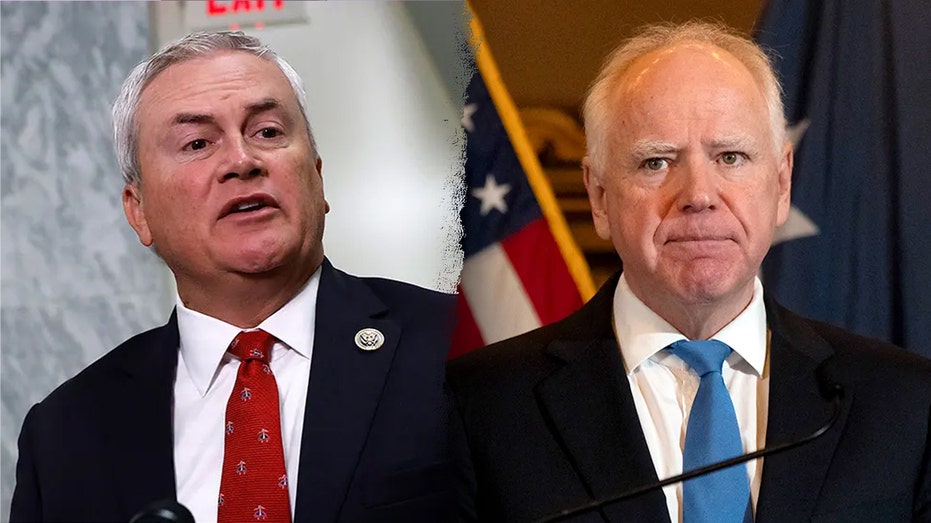
A crucial hearing is set to unfold as House Republicans prepare to question Minnesota’s Governor Tim Walz and Attorney General Keith Ellison regarding a massive alleged welfare fraud. The stakes are incredibly high, with billions of taxpayer dollars potentially lost due to systemic failures.
According to prepared remarks, Chairman James Comer intends to deliver a scathing indictment, asserting that Governor Walz’s hesitation directly contributed to the staggering financial losses. He will also challenge Attorney General Ellison’s claims of aggressive accountability, suggesting they were demonstrably untrue when examined against available evidence.
The committee’s investigation, fueled by testimony from over thirty whistleblowers – many current state employees and Democrats – paints a disturbing picture. These individuals claim they were silenced, retaliated against, and even monitored for simply raising concerns about the escalating fraud within the system.
A newly released 53-page report alleges that both Walz and Ellison were aware of the fraud far earlier than publicly acknowledged. Transcribed interviews with Minnesota officials suggest knowledge of fraudulent activity in childcare and Medicaid programs as early as spring 2019, and in food aid programs by April 2020.
Both Walz and Ellison have previously dismissed accusations of knowingly allowing fraud, characterizing the Republican investigation as politically motivated. However, the committee’s findings suggest a deliberate pattern of inaction, potentially driven by political considerations.
The investigation began with a focus on the theft of over $240 million from the Federal Child Nutrition Program through a Minnesota-based nonprofit. It has since expanded to encompass multiple state-run programs, including those providing childcare and food assistance, raising serious questions about oversight and accountability.
The committee’s report specifically points to a lack of adequate verification processes, allowing fraudulent payments to continue unchecked. It alleges the state leadership deliberately chose inaction, fearing backlash from a politically influential Somali community in Minneapolis.
Chairman Comer has described the scandal as “one of the most extensive breakdowns of oversight” his committee has ever encountered. He will argue that warnings were ignored, whistleblowers were dismissed, and state officials prioritized delay and denial over decisive action.
The potential scale of the fraud is staggering, with federal prosecutors estimating as much as $9 billion may have been stolen from Medicaid programs alone. Comer insists this wasn’t a series of isolated incidents, but a “sustained failure of leadership” at the highest levels of Minnesota’s government.
While Republicans are focused on the alleged fraud, Democrats on the committee have attempted to shift the narrative, accusing Comer of using the investigation as a distraction from concerns surrounding a federal immigration crackdown in Minneapolis and its tragic consequences.
The hearing promises to be a tense and revealing confrontation, potentially exposing a deeply troubling pattern of negligence and potentially deliberate inaction within Minnesota’s social services programs. The outcome could have significant implications for federal funding and oversight of similar programs nationwide.