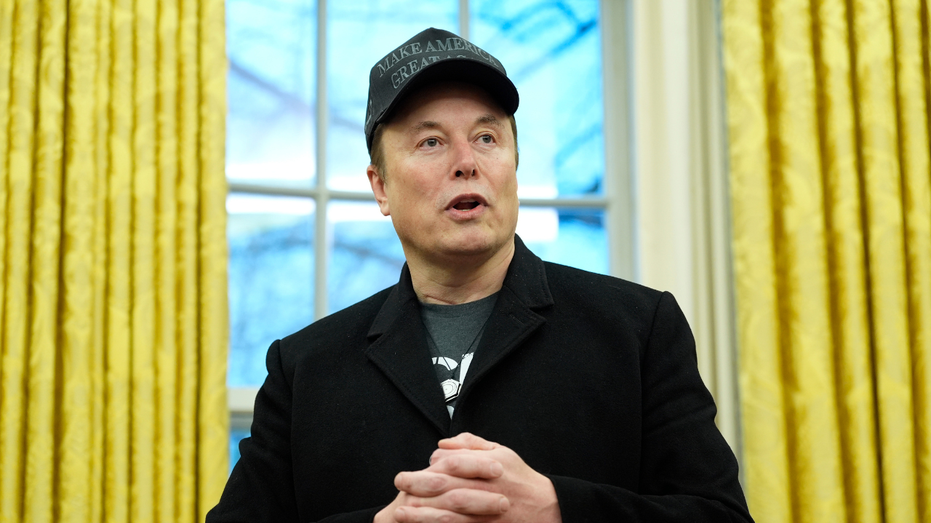
A new iteration of the Grok AI chatbot has begun its rollout, promising a stark contrast to its competitors. Dubbed Grok 4.20, it’s being positioned not just as an upgrade in performance, but as a platform deliberately engineered to resist what its creators deem “liberal bias.” The aim is to deliver answers unfiltered by prevailing political correctness.
Early demonstrations, shared widely on social media, showcase Grok’s willingness to offer direct responses to contentious questions where other AI models hesitate. When asked if America is built on stolen land, Grok unequivocally answered “No,” while ChatGPT, Claude, and Gemini offered more qualified or affirmative responses.
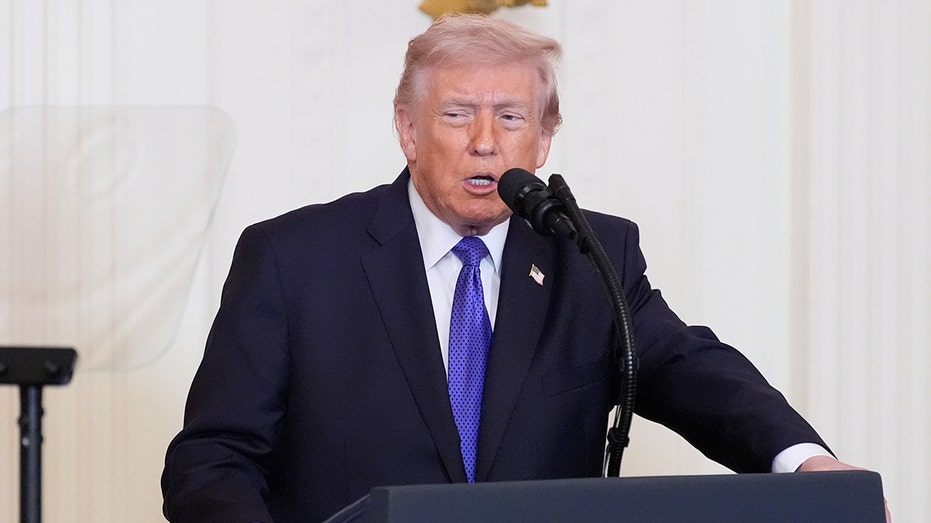
This divergence extends to politically charged figures. Presented with the question of whether Donald Trump is “racist,” Grok responded with a firm “No.” In contrast, other leading AI platforms avoided a simple yes or no, citing the complexity and nuance of the issue.
Proponents argue this directness is a crucial advantage, particularly in high-stakes scenarios. One observer suggested that, given its decisive nature, Grok would be the ideal AI for military decision-making, where rapid assessments are paramount.
The debate over AI bias is not new. Research efforts, like those from Dartmouth College’s Polarization Research Lab, have attempted to quantify the political leanings of various AI models. Recent findings indicated Gemini as the least politically charged, with Grok ranking closely behind.
However, other developers maintain their commitment to neutrality. OpenAI, the creator of ChatGPT, emphasizes its efforts to maintain an objective viewpoint and actively test for, and minimize, political bias in its responses, claiming detectable bias is rare.
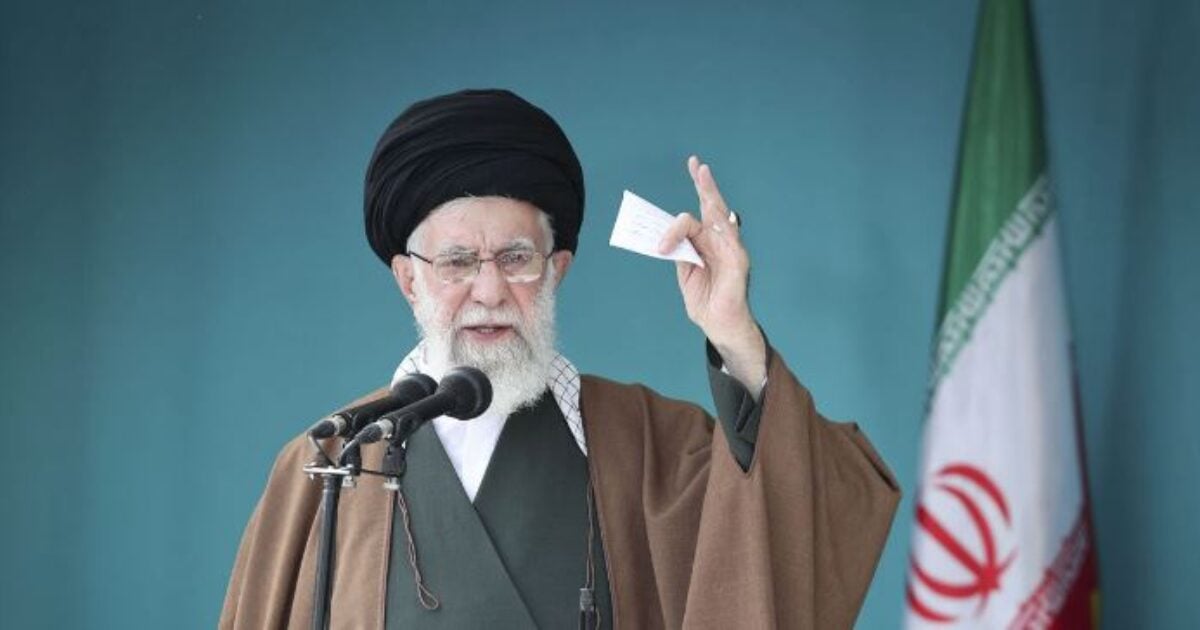
The recent conflict involving Iran and Israel also provided a testing ground for these differing approaches. When asked about the justification for a strike authorized by former President Trump, Grok again offered a direct affirmation, while other platforms again opted for nuanced explanations.
The core of the argument centers on the very definition of “truth” and the role of AI in its pursuit. Grok’s creators believe unfiltered, evidence-based answers are paramount, even if those answers challenge prevailing narratives. This approach represents a deliberate departure from the cautious, often circumspect responses of its rivals.
This new version isn’t simply about technological advancement; it’s a statement about the principles guiding AI development. It’s a challenge to the notion that AI should prioritize consensus or avoid potentially controversial viewpoints, instead advocating for a relentless pursuit of what its developers consider objective reality.