The weight of a potential conflict hung heavy in the air following a classified briefing on recent U.S. and Israeli strikes within Iran. Speaker Mike Johnson revealed a stark assessment: Israel was resolute in its actions, prepared to defend itself regardless of American involvement. This determination, born from a perception of existential threat, fundamentally shaped the deliberations in Washington.
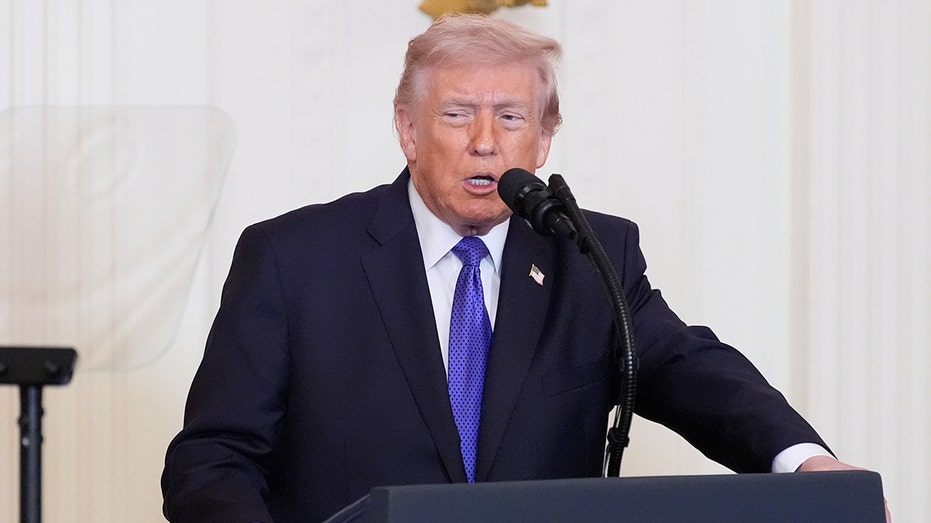
Officials wrestled with the immense risks involved, meticulously evaluating potential repercussions for U.S. forces, regional stability, and broader American interests. The intelligence suggested a coordinated response was crucial, a preemptive measure to mitigate escalating dangers. Johnson asserted that inaction would have invited intense scrutiny, drawing parallels to potential congressional inquiries had similar intelligence emerged during a previous administration.
Senator Marco Rubio echoed the sentiment, confirming Israel’s readiness and characterizing the President’s decision as prudent. He explained the strikes were intended to neutralize Iranian capabilities, specifically ballistic missiles and naval assets, anticipating a retaliatory attack on American forces if no action was taken. The goal, he insisted, was not regime change, but the dismantling of immediate threats.
However, a clear divide emerged regarding the definition of “imminent threat.” Senator Mark Warner, a leading Democrat on the Intelligence Committee, stated he saw no direct threat to the United States prior to the strikes, only a threat to Israel. He cautioned that equating a threat to Israel with a threat to the U.S. ventured into dangerous, uncharted territory, noting shifting objectives throughout the operation.
The perception of urgency differed sharply. One lawmaker likened the situation to identifying an enemy machine gun nest – a clear and present danger to a soldier. Others, he explained, required that the machine gun be actively firing to consider it an imminent threat. This fundamental disagreement underscored the complex calculations driving the response.
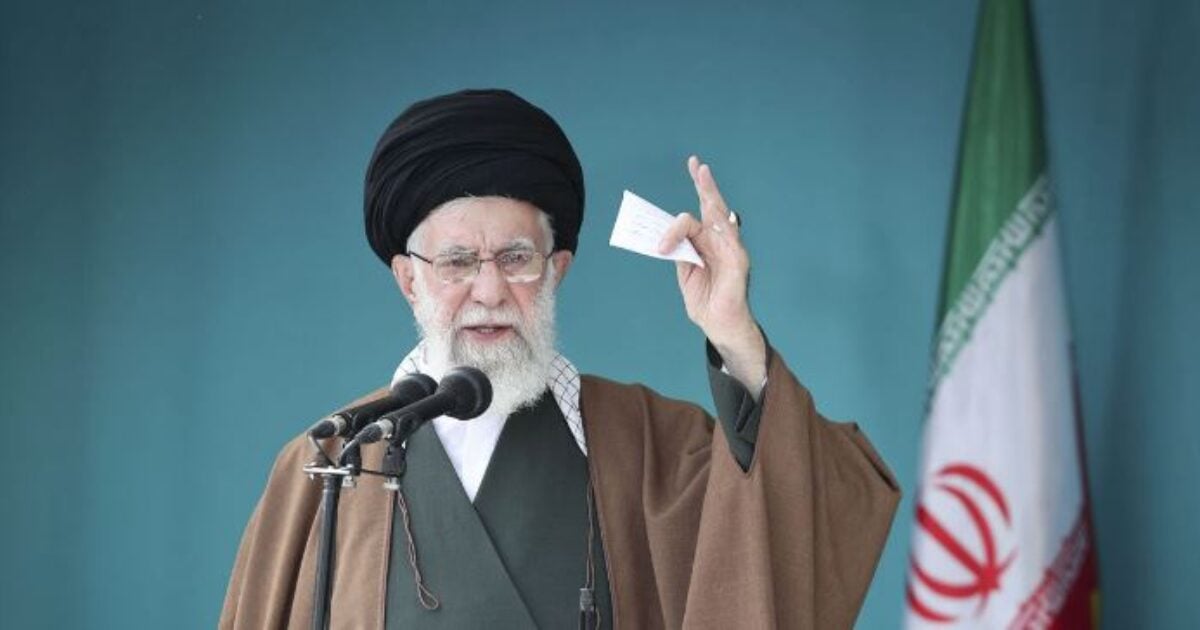
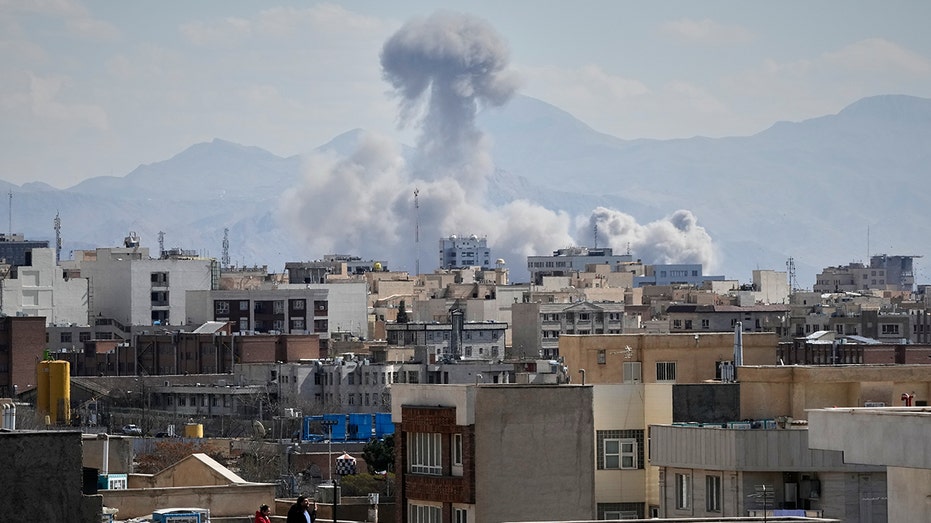
Operation Epic Fury, launched on February 26th in coordination with Israel, has already dramatically reshaped the landscape. Initial strikes targeted over 1,000 locations within the first day, resulting in the loss of 49 key Iranian leaders, including Ayatollah Ali Khamenei. The offensive included extraordinary feats of military engineering, such as B-2 bombers undertaking 37-hour missions from the continental U.S. to strike deeply buried facilities.
The conflict has not come without cost. Six American service members have been killed in subsequent Iranian counterattacks, a grim reminder of the escalating stakes. General Dan Caine, Chairman of the Joint Chiefs of Staff, confirmed the scale of the initial assault, painting a picture of a swift and decisive opening phase to a conflict with potentially far-reaching consequences.