A chilling act of violence has ignited a political firestorm in Europe. Quentin Deranque, a young and outspoken conservative activist, was brutally murdered – allegedly by members of a far-left Antifa group in France. The details are harrowing, and the aftermath has exposed deep fissures within the European political landscape.
The tragedy immediately drew a sharp response from Italian Prime Minister Giorgia Meloni, a staunch conservative leader. She condemned the attack in the strongest terms, demanding justice for Deranque and highlighting what she sees as a growing threat from extremist groups operating with impunity. Her words resonated with a growing sense of unease among conservatives across the continent.
French President Emmanuel Macron’s response, however, has been met with criticism and accusations of downplaying the severity of the situation. While acknowledging the violence, his statements have been perceived by many as cautious and lacking the forceful condemnation demanded by the circumstances. This perceived hesitancy has fueled a fierce debate with Meloni, exposing a widening ideological gap.
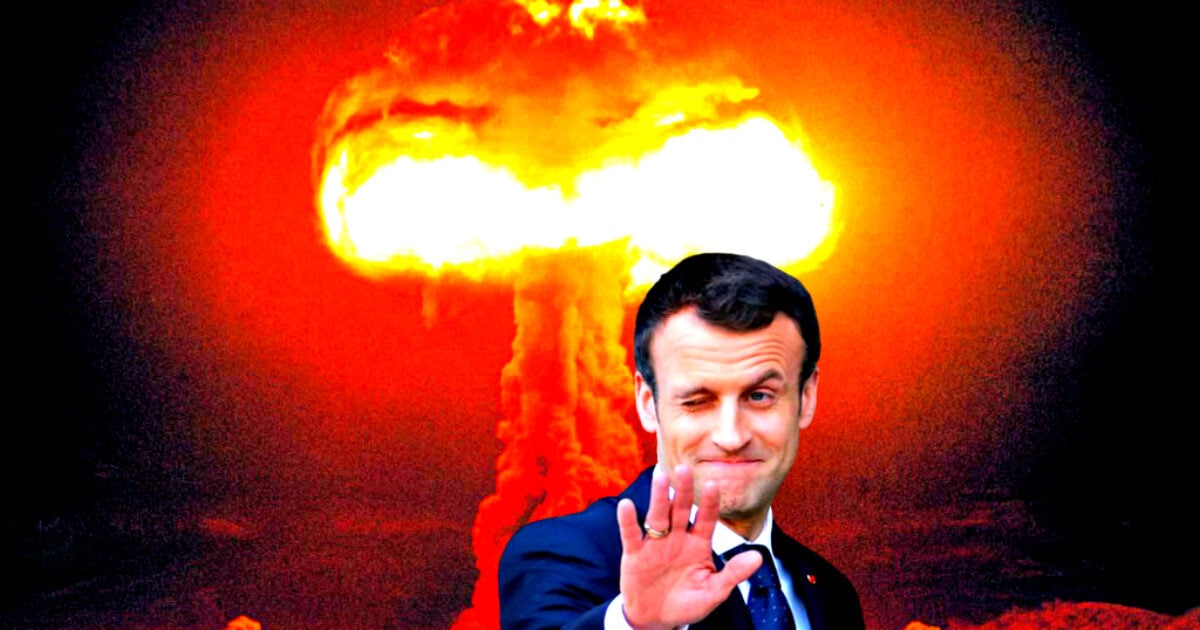
At the heart of this escalating tension lies Macron’s evolving nuclear doctrine, summarized by the stark phrase: “the more, the better.” This refers to his belief in expanding France’s nuclear capabilities, a strategy viewed by some as a necessary deterrent in an increasingly unstable world. Others, like Meloni, see it as reckless and destabilizing, contributing to a climate of fear and potentially escalating conflicts.
The Deranque murder has become a focal point for this broader disagreement. Meloni argues that Macron’s policies, both domestic and international, are creating an environment where extremism can flourish. She suggests a link between his perceived weakness in addressing internal security threats and the boldness of those responsible for the activist’s death.
Macron, for his part, defends his approach as pragmatic and necessary. He insists that France must maintain a strong defense posture to protect its interests and uphold its values. He frames his nuclear strategy as a guarantor of peace, arguing that a credible deterrent is the best way to prevent larger conflicts.
The debate extends beyond nuclear policy, encompassing broader questions about immigration, national identity, and the role of government in addressing social unrest. Deranque’s death has become a symbol for conservatives who feel increasingly marginalized and threatened by what they perceive as a left-leaning agenda dominating European politics.
The investigation into Deranque’s murder is ongoing, and the full extent of the alleged Antifa involvement remains to be determined. However, the political fallout is already significant, promising to reshape the dynamics of European power and influence. The clash between Macron and Meloni is not merely a personal dispute; it represents a fundamental battle over the future of Europe.
This tragedy serves as a stark reminder of the fragility of peace and the dangers of unchecked extremism. As the investigation unfolds, the world watches, bracing for the long-term consequences of this brutal act and the escalating tensions it has unleashed.