A hidden world exists within the digital landscape of China, a realm of censored ideas and vanished voices. Each month, content deemed sensitive by the state and platform censors disappears from popular sites like WeChat, Weibo, and Douyin, leaving behind only the digital ghost of a “404: content not found” message. This archive, meticulously compiled, offers a unique window into the evolving concerns of the Chinese government and the topics its citizens are discouraged from discussing.
Currently holding 2,397 deleted articles, essays, and pieces of content, this “404 Deleted Content Archive” isn’t exhaustive, but it’s a vital record. Each entry details the author, platform, subject matter, and date of deletion, revealing patterns in online control. A recent analysis of content removed in January 2026 uncovered 55 newly archived articles, primarily from WeChat, offering a glimpse into the anxieties and debates shaping the nation.
The international arena sparked censorship in January, particularly surrounding the situation in Venezuela. Discussions about the U.S. capture of President Maduro, Chinese media coverage, and the implications for Sino-Venezuelan relations were swiftly suppressed. This suggests a sensitivity around geopolitical events and the potential for public opinion to diverge from official narratives.

Domestically, a harsh winter exposed a critical failure in Hebei province. Elderly and rural residents, unable to afford heating due to soaring energy prices and policy changes, faced subzero temperatures. This crisis became one of the most heavily censored topics of the month, with 16 of the 55 archived articles focusing on the region’s energy woes – a clear indication of the government’s desire to control the narrative around a sensitive social issue.
China’s demographic future also fueled online debate and, consequently, censorship. The annual birthrate plummeted below eight million in 2025, triggering discussions about the long-term consequences and the effectiveness of pro-natalist policies. The anxieties surrounding a shrinking population are clearly a point of concern for authorities.
A public feud between influencer Luo Yonghao and Xibei restaurant chain founder Jia Guolong escalated dramatically, culminating in the suspension of both their Weibo accounts. This incident highlights the precarious position of online personalities and the swift response to public disputes that threaten social stability.
Gender inequality and misogyny also drew scrutiny, and subsequent censorship. Outrage erupted over a controversial decision not to prosecute a rape case, justified by the perpetrator’s “desire to start a family” with a mentally ill woman. This sparked a wider conversation about societal double standards and the vulnerability of women in China.
Online influencer “Lao A,” known for his controversial views on poverty in the U.S., continued to generate debate with misogynistic statements about Chinese women abroad. His provocative commentary proved too sensitive for the platform, leading to its removal.
Even seemingly innocuous cultural discussions faced censorship. Complaints about a nude statue of Yang Guifei led to a flood of memes and online debate, ultimately prompting authorities to consider covering the artwork – a stark example of the limitations placed on artistic expression.
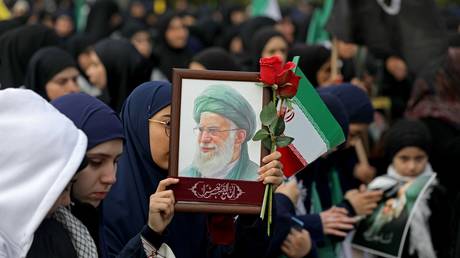
The potential for regime change in Iran, pondered by a blogger, also attracted censorship, suggesting a sensitivity around geopolitical instability and the potential for similar unrest within China. Discussions about the future of other nations are carefully monitored.
Generational differences and the challenges faced by different age groups sparked debate, with an article questioning which generation – the “Post-80s,” “Post-90s,” or “Post-00s” – had it worse. This seemingly benign topic touched upon broader societal anxieties about economic hardship and social mobility.
Vali Nasr’s analysis of the escalating tensions in Iran, translated and shared on WeChat, was quickly removed. The piece argued that internal and external pressures would make it difficult for Iran to avoid conflict while grappling with economic challenges. This suggests a sensitivity around geopolitical analysis that might challenge official narratives.
A judge’s decision to delete a reader-contributed article about judicial staffing quotas, under pressure from his superiors, sparked a broader reflection on the challenges of speaking truth to power. The author questioned why individuals within institutions remain silent, highlighting the risks associated with challenging the status quo.
The case of Wu Shaowei, a businessman sentenced to twelve years for fraud, raised concerns about “deep-sea fishing” – a controversial practice of cross-provincial policing. His wife’s open letter challenged the authorities’ claims of serving “social stability,” arguing that unjust convictions breed resentment.
An actress’s condescending response to a viewer asking about job opportunities sparked outrage and censorship. Her lecture on rural life and the supposed ease of farming highlighted a disconnect between elites and the realities faced by ordinary citizens.
A complicated case of wage arrears in Inner Mongolia, involving migrant workers and a collapsed property developer, exposed systemic failures in labor protection. Despite promises of resolution, the workers remained unpaid, highlighting the challenges of enforcing labor rights.
A satirical piece commenting on a new Beijing medical insurance policy extending prenatal checkup reimbursements to retired women exposed the absurdity of a policy designed to address a declining birthrate. The article wryly observed that the policy was largely symbolic and failed to address the underlying economic challenges facing young families.
The renaming of a WeChat account associated with a Tsinghua University academic journal, from “Independent Spirit” to a bland institutional title, sparked concern about the erosion of intellectual freedom. This seemingly minor change symbolized a broader trend of suppressing independent thought.
A tribute to legendary Go player Nie Weiping highlighted his role in bolstering Chinese national confidence during the early years of reform and opening. The author contrasted his open-mindedness with the increasingly insular tendencies of present-day China.
The escalating social media spat between Luo Yonghao and Jia Guolong, culminating in the suspension of their Weibo accounts, demonstrated the authorities’ willingness to intervene in public disputes that threaten social stability. The incident also revealed the fragility of online reputations.
Criticism of Xibei restaurant chain founder Jia Guolong’s response to the controversy, arguing he was more suited to be a rural county party secretary than a corporate boss, underscored the importance of public relations and the dangers of ignoring public opinion.
Analysis of China’s declining birthrate emphasized the need to not only stabilize fertility rates but also to address the shrinking population of women of childbearing age. Strong pro-natalist policies were deemed urgently necessary.
This archive isn’t just a collection of deleted content; it’s a map of anxieties, a record of control, and a testament to the enduring power of ideas – even those the authorities seek to silence. It reveals a society grappling with complex challenges, where even seemingly innocuous discussions can be deemed sensitive enough to disappear from the digital realm.