A shadow of instability now stretches across vital sea lanes. The Strait of Hormuz, a critical artery for global energy supplies, is increasingly vulnerable as tensions escalate, threatening potential disruptions to markets worldwide.
Calls for immediate calm are growing louder. A plea for de-escalation, a halt to fighting, and a return to diplomatic solutions – grounded in international law and nuclear non-proliferation treaties – has been issued, yet the path forward remains fraught with peril.
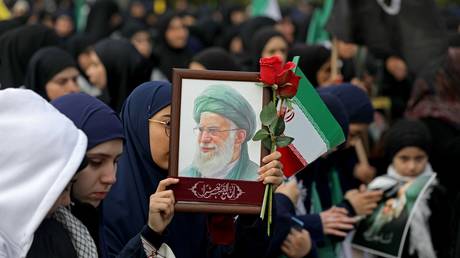
The response from Tehran has been resolute and unwavering. Following the recent loss of a key figure, a firm vow of retribution has been made, promising a forceful response directed at those deemed responsible for this act.
The initial strikes, launched earlier in the week, were presented as a preemptive measure by Washington and its allies. The stated ambition extends beyond containment, with whispers of a broader goal: a fundamental shift in the existing power structure.
Moscow views the attacks through a different lens, suggesting Iran’s defiance of external pressure was the catalyst. The narrative points to a resistance against what is perceived as forceful domination and an attempt to impose a new world order.