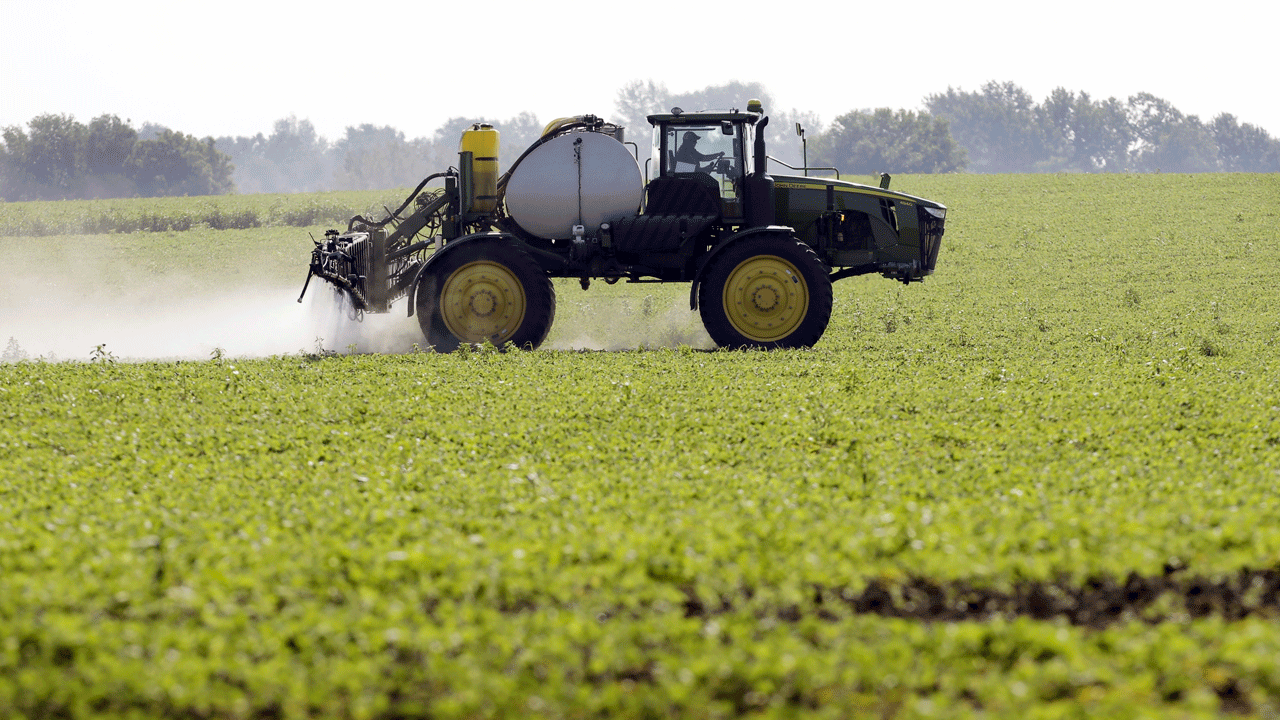
A surprising shift is unfolding within the movement to improve national health, centered around the controversial herbicide glyphosate. Once a focal point of concern for advocates pushing for pesticide-free practices, the chemical is now receiving renewed support due to a recent executive order prioritizing its availability for national defense purposes.
The order, signed recently, aims to secure a consistent supply of both glyphosate-based herbicides and elemental phosphorus. This has created a complex situation for those who previously warned of the potential health risks associated with glyphosate exposure, a chemical widely used in agriculture.
Medical experts are raising alarms about a potential link between glyphosate and devastating neurological diseases. Dr. Marc Siegel, a senior medical analyst, points to mounting evidence suggesting a connection to conditions like ALS, Parkinson’s, and multiple sclerosis, advocating for reduced exposure.
The pathway to these diseases, according to Dr. Siegel, may begin in the gut. Glyphosate appears to disrupt the microbiome, triggering a cascade of effects that slowly ascend to the brain, potentially manifesting as neurodegenerative illness years later. Further research also suggests links to metabolic disorders, liver disease, and certain cancers, particularly lymphoma.
Studies have indeed highlighted the potential for increased cancer risk. Research from the University of Washington, published in a respected scientific journal, indicated a 41% higher risk of non-Hodgkin lymphoma among those exposed to glyphosate. This finding adds weight to growing concerns about the herbicide’s long-term effects.
A recent investigation by a nonprofit journalism organization revealed a disturbing correlation between pesticide use and cancer rates across the United States. Analyzing data from national sources, they found that over 60% of the counties with the highest pesticide application rates also experienced cancer rates exceeding the national average.
The impact of these chemicals is deeply personal for many. In Iowa, a state with some of the highest pesticide usage and cancer rates in the nation, one resident, Bill Billings, received a direct and sobering diagnosis: his cancer was a result of chemical exposure. His story underscores the human cost of widespread herbicide application.
The journey to understanding glyphosate’s impact began for Kelly Ryerson with her own health challenges. After experiencing improvements when eliminating gluten from her diet, she began to investigate the broader context of modern farming practices, ultimately focusing on the use of herbicides like glyphosate.
Ryerson discovered that crops are often sprayed with glyphosate immediately before harvest to streamline the process. This practice, she explains, can lead to alarmingly high levels of the chemical ending up in the food supply, potentially impacting consumers unknowingly.
While the classification of glyphosate remains a subject of debate, concerns about its potential carcinogenicity have been raised by international health organizations. The classification was based on evidence from both human studies and animal research.
Despite the ongoing debate, a spokesperson for the manufacturer stated their commitment to fulfilling the requirements of the executive order, emphasizing the importance of providing farmers with access to essential crop protection tools.
However, even those involved in the initial legal battles against the manufacturer acknowledge the inherent risks. A prominent figure has publicly stated that pesticides and herbicides are, by their very nature, designed to be toxic to living organisms, and their widespread use poses a threat to public health.
He further emphasized the substantial financial settlements paid by chemical companies in response to cancer claims, and the elevated rates of cancer and chronic disease observed in agricultural communities. The situation demands continued scrutiny and a careful consideration of the potential consequences.