A surprising shift is unfolding within the movement to “Make America Healthy Again,” centered around the controversial herbicide glyphosate. Once a focal point of concern for advocates pushing a pesticide-free future, the chemical is now receiving renewed support due to a recent executive order prioritizing its availability for national defense.
The order, signed to ensure a stable supply of elemental phosphorus and glyphosate-based herbicides, has sparked internal debate. Previously, proponents of the MAHA movement actively warned against the potential health risks associated with glyphosate exposure, a stance now complicated by the national security implications.
Medical experts are raising alarms about a potential link between glyphosate and devastating neurological diseases. Dr. Marc Siegel, a senior medical analyst, points to mounting evidence suggesting a connection to conditions like ALS, Parkinson’s, and multiple sclerosis, advocating for reduced exposure.
The pathway, according to Dr. Siegel, may involve the gut-brain axis. Glyphosate exposure could disrupt the gut microbiome, triggering a slow ascent of neurotoxic effects to the brain, manifesting as neurodegenerative disease years later. Further research also suggests links to metabolic disorders, liver disease, and certain cancers, particularly lymphoma.
Studies have indeed highlighted the potential for increased cancer risk. A University of Washington study, published in Mutation Research, revealed a 41% increase in the risk of non-Hodgkin lymphoma among those exposed to the pesticide. This echoes findings from Investigate Midwest, which analyzed data from the U.S. Geological Survey and the National Cancer Institute.
Investigate Midwest’s analysis uncovered a disturbing correlation: over 60% of the top 500 counties with the highest per-square-mile pesticide use reported cancer rates exceeding the national average. This investigation involved interviews with over 100 individuals – farmers, environmentalists, lawmakers, and scientists – revealing a complex web of concerns.
The state of Iowa, second in the nation for pesticide use at 53 million pounds annually, also holds the unfortunate distinction of having the second-highest cancer rate. Bill Billings, an Iowa resident diagnosed with cancer in 2014, was told by his specialist that his illness was a direct result of chemical exposure.
For Kelly Ryerson, founder of Glyphosate Facts, the issue became deeply personal. Her own journey with chronic illness and autoimmune issues led her to question modern farming practices, ultimately discovering a potential link between glyphosate and her health struggles. She found improvements after eliminating gluten, but further investigation pointed to glyphosate exposure through contaminated grains.
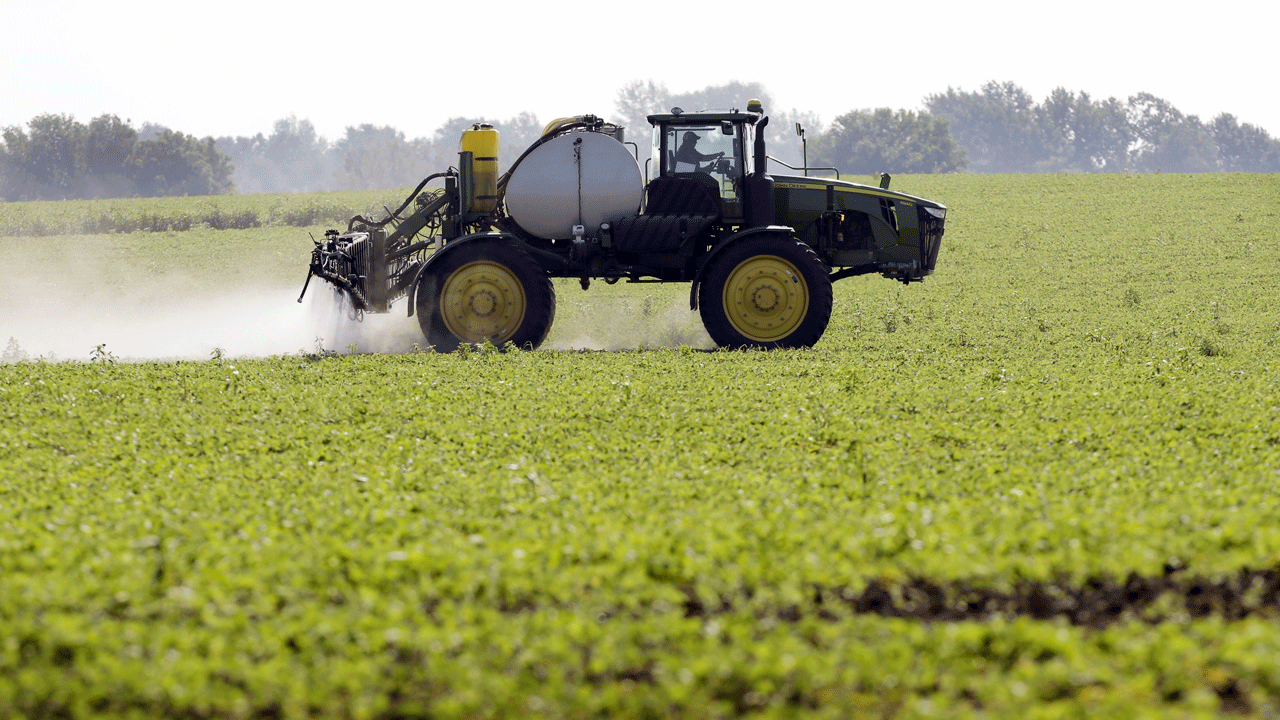
Ryerson explained that farmers often spray Roundup on crops immediately before harvest to streamline the process. This practice can lead to alarmingly high levels of glyphosate residue in the food supply, as the crops go directly to milling.
While the International Agency for Research on Cancer classified glyphosate as “probably carcinogenic to humans,” based on limited evidence of cancer in humans and sufficient evidence in animals, the manufacturer maintains its safety. A spokesperson stated the company will comply with the executive order, emphasizing the need for farmers to have access to essential crop protection tools.
However, even within the current administration, concerns remain. HHS Secretary Robert F. Kennedy Jr., a long-time critic of Roundup, acknowledged the inherent toxicity of pesticides and herbicides, designed to kill living organisms. He emphasized the risk to Americans when these chemicals are widely applied and enter the food system.
Kennedy pointed to the billions of dollars paid out in settlements related to cancer claims linked to these products, and the elevated cancer rates observed in agricultural communities. He supports the executive order but stresses the need for caution and awareness regarding the potential health consequences.