A chilling forecast has emerged regarding the future of women’s health in America. New projections reveal a dramatic surge in chronic conditions expected by 2050, painting a concerning picture for generations to come.
The data indicates a significant rise in several key health issues. Over 59% of women are predicted to suffer from high blood pressure, a stark increase from the current 49%. Diabetes is expected to affect more than 25%, nearly doubling the present 15%, while obesity rates could climb to a staggering 61%, compared to 44% today.
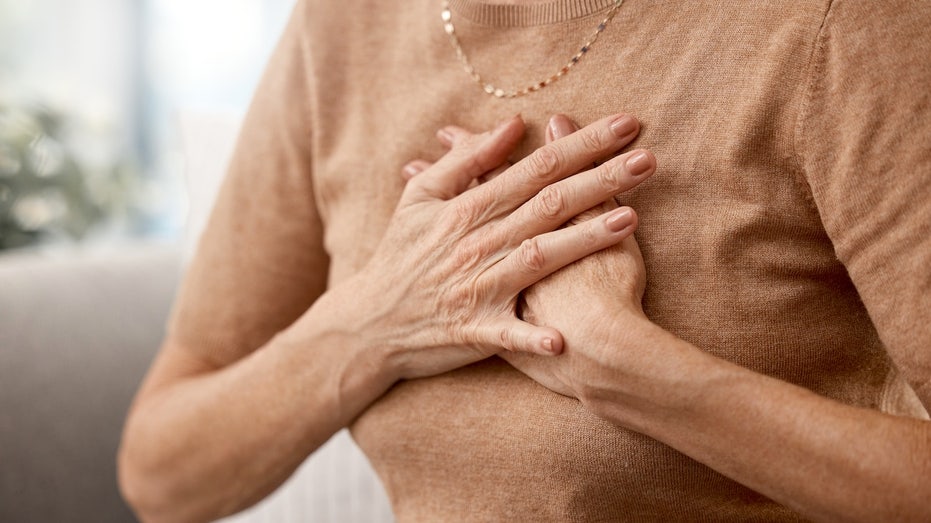
These escalating risk factors are predicted to fuel a dangerous increase in cardiovascular disease and stroke. Prevalence is expected to jump from 10.7% to a worrying 14.4%, threatening the lives of millions of women.
However, amidst these troubling trends, a single point of optimism emerges. Unhealthy cholesterol levels are projected to decline, falling from over 42% to around 22%. This suggests that targeted interventions can indeed make a difference.
Cardiologists are sounding the alarm, describing the findings as a “huge wake-up call.” The projected explosion of cardiometabolic disease within a single generation demands immediate attention and proactive measures.
Heart disease already stands as the number one killer of women, surpassing even breast cancer in its devastating impact. Experts emphasize that this silent threat often begins early, progressing stealthily and striking unexpectedly.
Recent data further underscores the urgency, revealing a climb in heart attack deaths among adults under 55. Alarmingly, young women are now more likely to die after a first heart attack than their male counterparts.
Despite the grim outlook, a powerful message of hope prevails: heart disease is largely preventable. Early intervention and lifestyle changes can dramatically alter the trajectory of this epidemic.
Evidence suggests that even children can exhibit early signs of arterial plaque, but these changes can be reversed with aggressive and timely lifestyle adjustments. The key lies in acting early and consistently.
Traditional risk factors – smoking, high blood pressure, high cholesterol, diabetes, obesity, and inactivity – are all contributing to this crisis. These factors, often linked to sex-specific hormonal changes, can become particularly impactful after menopause.
The cornerstone of heart health lies in embracing fundamental lifestyle habits. Prioritizing a healthy diet is paramount, as food choices directly influence every risk factor highlighted in the recent report.
Dietary improvements have a profound cumulative effect, impacting blood pressure, blood sugar, cholesterol, and weight. Even small, sustained changes can yield significant health benefits.
Swapping out a few unhealthy snacks each day can produce results comparable to medication, potentially lowering cholesterol levels within a month. Continued effort can lead to substantial weight loss and reduced reliance on blood pressure medication.
The message is clear: the future of women’s heart health is not predetermined. By taking control of their health destinies and embracing preventative measures, women can rewrite the narrative and safeguard their well-being.