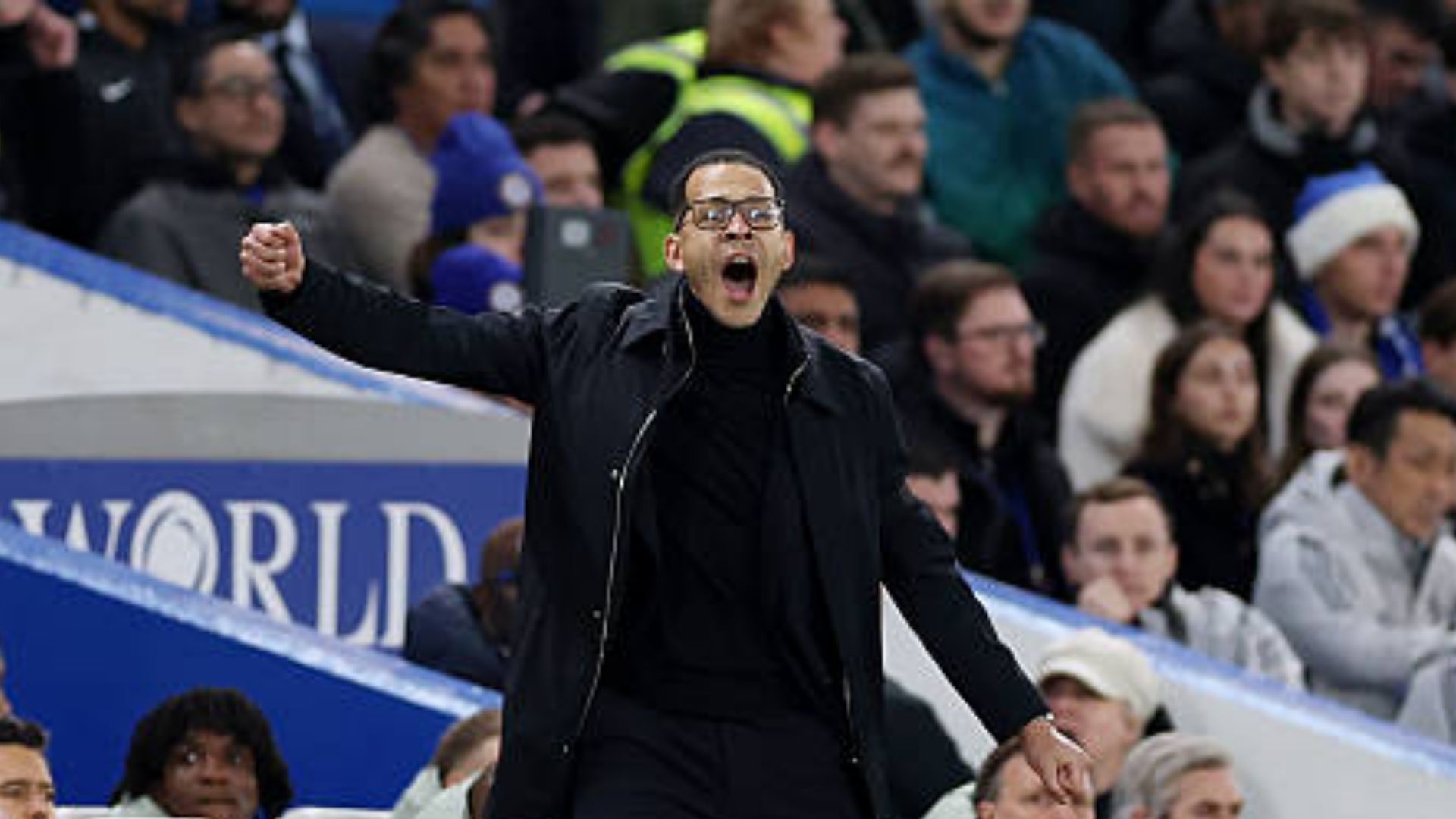
The air at Stamford Bridge crackled with intensity, a London derby brewing between Chelsea and Arsenal. But for Chelsea’s new manager, Liam Rosenior, the thrill of a five-goal spectacle was quickly overshadowed by a growing sense of injustice.
From the opening minutes, a pattern emerged – a deliberate slowing of the game by Arsenal, a tactic Rosenior found infuriating. It wasn’t simply about running down the clock; it was a calculated disruption of the match’s rhythm, a subtle but persistent attempt to erode Chelsea’s momentum.
Rosenior’s frustration wasn’t a silent simmer. He was a visible presence on the touchline, repeatedly engaging the fourth official, his gestures and expressions conveying a mounting sense of disbelief. He argued that Arsenal’s deliberate delays were impacting the game’s fairness.
A pitchside reporter observed the escalating tension, noting Rosenior’s constant appeals to the officials. The manager wasn’t merely complaining; he was actively trying to address what he perceived as a blatant manipulation of the game’s flow.
The response from the fourth official, reportedly, was a dismissive reassurance: time would be added. Yet, despite the clear and consistent timewasting, only a single minute of added time was granted at the end of the first half, fueling Rosenior’s anger.
This wasn’t an isolated incident. Arsenal, under Mikel Arteta, have cultivated a reputation for employing what some call the “dark arts” of football – a mastery of tactical delaying tactics. It’s a strategy designed to protect a lead, even at the expense of sporting spirit.
The tactics are varied and subtle: goalkeepers stretching out goal kicks to agonizing lengths, players collapsing with seemingly convenient injuries, and a general slowing of play whenever a lead is established. These actions, while technically within the rules, push the boundaries of fair play.
Chelsea fought valiantly, clawing their way back into the contest despite the frustrating interruptions, but ultimately fell short in a 3-2 defeat. The result, however, felt secondary to the lingering sense of injustice felt by Rosenior and his team.
The League Cup semi-final first leg wasn’t just a battle for goals; it was a clash of philosophies, a contest between attacking football and calculated gamesmanship. And for Liam Rosenior, the latter proved to be a bitter pill to swallow.


