
Ben Cohen doesn’t mince words. “It was a f hell of an experience,” he admits, a raw honesty that cuts through the typical celebrity soundbite. He’d endure it all again, he insists, even the moments he desperately wanted to quit.
This wasn’t about rugby, though. It was about being pushed to the absolute limit on “Celebrity SAS: Who Dares Wins” – a grueling course designed to break even the toughest individuals. Cohen bristles at the “show” label, calling it a relentless test of endurance, and dismisses the “celebrity” tag with a grin. He simply doesn’t identify with fame, or the unwanted attention it brings.
For years, Cohen had stepped away from the spotlight, his last major TV appearance a distant memory. So why subject himself to this brutal assault course, a world away from game days and cheering crowds? The answer lies in a need to confront something within himself, to rediscover a strength he feared he’d lost.

He laughs, remembering the internal battle. “You don’t want to be f shouted at, do you?” But beneath the humor was a deeper reckoning. He needed to exhume an older version of himself, a man forged in the fires of competition, and confront the demons that had taken root in the years since.
That older Ben was a cornerstone of the triumphant 2003 England rugby squad, a player who sacrificed years of his life for a World Cup victory. But retirement brought a surprising loneliness, a void that lingered even after the accolades faded. His personal life, too, became tabloid fodder, marked by a public engagement and subsequent split.
“Saying yes to the show… was getting myself out of a hole,” Cohen confesses. He was overweight, struggling with his mental health, navigating a difficult period like so many others. He needed a challenge, a way to reclaim his physical and mental well-being, and the SAS course offered a stark, unforgiving path.
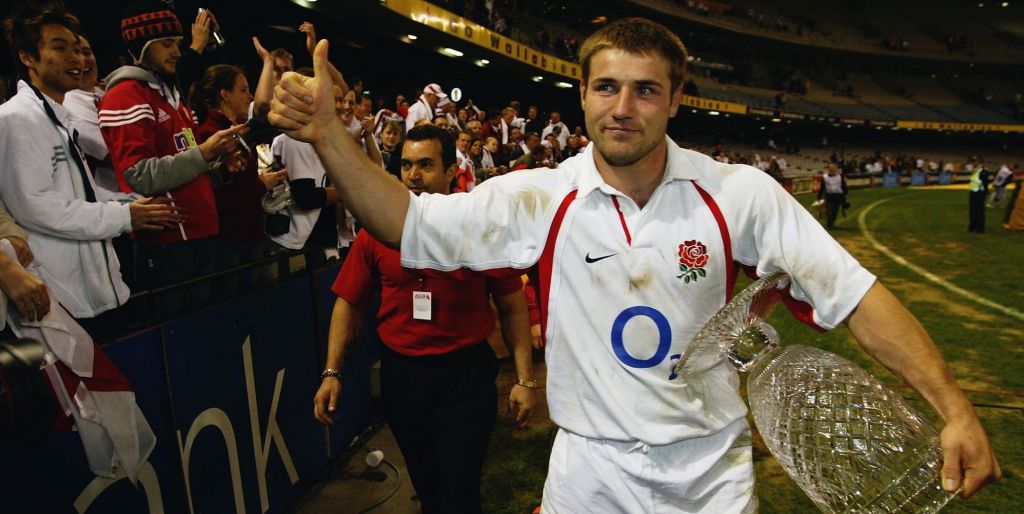
The initial training period was a mere five-and-a-half weeks, a daunting timeframe to prepare for the ordeal ahead. He wrestled with the prospect of reliving the intense discipline and relentless pressure he’d known as a Red Rose. It was a dark place, a “comfortable space” that depression had created, and breaking free required a monumental effort.
The reality of the course was immediate and shocking. Kidnapped, bundled across scorching desert landscapes, and plunged into icy water – Cohen was thrown into chaos within minutes. His primary concern wasn’t physical endurance, but his mental fortitude. How would he react when pushed to the brink of exhaustion, stripped of control, and consumed by anxiety?
The dropout rate on the show is notoriously high, with many contestants failing to make it past the first day. Those who persevere face broken bones and debilitating infections. It’s a relentless escalation of hardship, a daily test of will that pushes participants to their absolute limits.
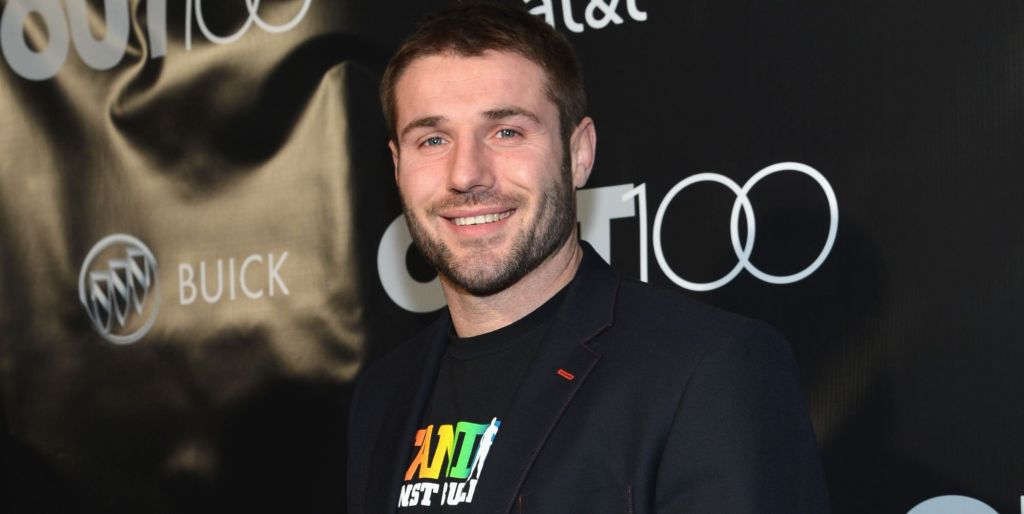
Despite his athletic background, Cohen wasn’t expecting an easy ride. He’s a man shaped by tragedy, having witnessed his father’s selfless sacrifice while protecting a stranger. This event fueled his commitment to fighting bullying, leading to the creation of The Ben Cohen StandUp Foundation.
He became a vocal ally to the LGBTQ+ community, attending Pride in London and advocating for inclusivity in sport. His allyship, as a prominent straight man, was groundbreaking at a time when conversations about homophobia in sports were just beginning. He embraced the role, understanding the power of visibility and the importance of creating a safe and accepting environment.
Cohen speaks passionately about his advocacy work, surrounded by friends who are part of the LGBTQ+ community. He believes in the simple power of kindness and the importance of celebrating love in all its forms. He encourages anyone who finds love to embrace it fully, without hesitation.
However, the issue of transgender women in sports presents a more complex challenge. He acknowledges the sensitivity of the topic and expresses a desire for a more nuanced conversation, one grounded in data, understanding, and mutual respect. He believes sport should be accessible to everyone, but finding a fair and inclusive solution requires careful consideration.
He laments the lack of progress in this area, frustrated by the cyclical nature of the debate. He yearns for a constructive dialogue that moves beyond polarized positions and towards a solution that upholds fairness for all athletes. He envisioned a role for himself in driving diversity and inclusion within rugby, but opportunities never materialized.
Despite this, he continues to support LGBTQ+ organizations and participates in his annual charity calendar, a tradition he jokingly threatens to abandon each year. It’s a lighter commitment than facing down simulated warfare, but he embraces it as long as he remains in shape. It’s a small way to continue making a difference, to use his platform for good.