A compelling theory is circulating online, suggesting a new, subtle form of queerbaiting is taking hold in popular television. It’s a tactic that leaves audiences yearning for connections that are hinted at, but never fully realized.
The idea, popularized by drag king Ernest Device, centers around a specific pattern: one explicitly queer character paired with another whose feelings remain deliberately ambiguous. This creates a space for speculation, but ultimately avoids definitive representation.
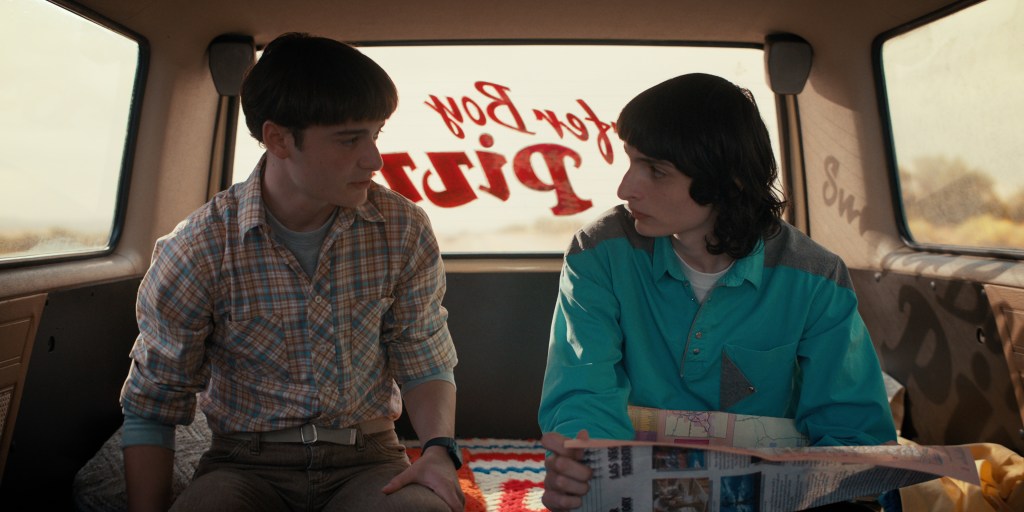
Device points to the dynamic between Will Byers and Mike Wheeler inStranger Thingsas a prime example. Despite palpable chemistry, Will’s affections for Mike were ultimately framed as a fleeting “hallway crush,” reduced to a plot point about his coming to terms with his sexuality.
This isn’t about outright denial of queer storylines, but a calculated vagueness. Creators, Device argues, are using ambiguity to appease both LGBTQ+ and straight audiences, offering just enough to keep everyone engaged without fully committing to a queer narrative.
The frustration stems from unfulfilled potential. Fans of pairings like “Byler” inStranger Thingsinvested deeply in the characters’ connection, hoping for a resolution that never arrived. Even Will’s eventual coming out felt rushed and ultimately inconsequential to the overall story.
This pattern isn’t isolated toStranger Things. Device also citesSupernatural’s Dean Winchester and Castiel, as well as pairings in9-1-1andLoki, where potential romances were teased but ultimately left unresolved or open to interpretation.
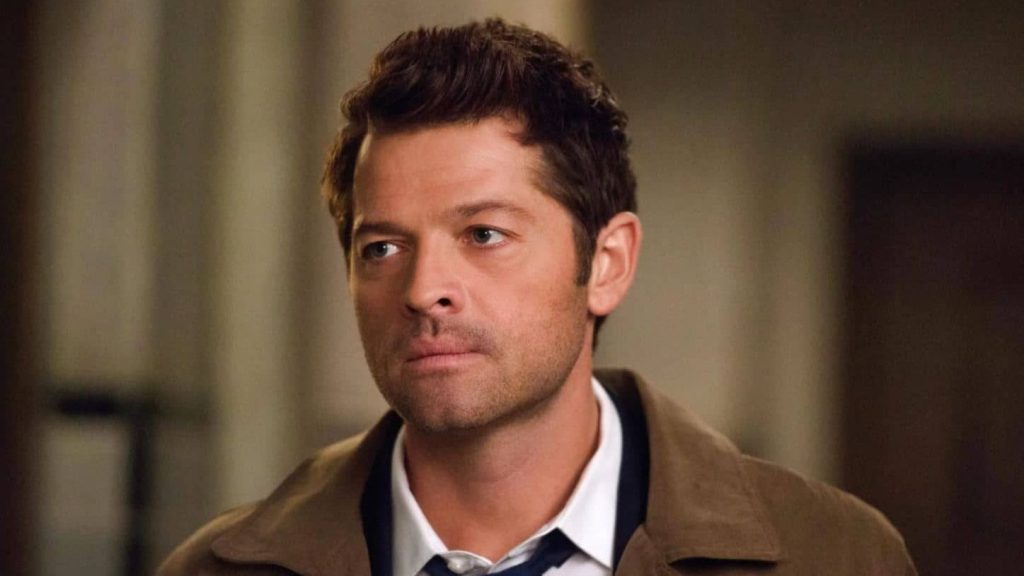
The case ofSupernaturalis particularly poignant. Actor Misha Collins has confirmed his character Castiel’s feelings were intended to be romantic, yet the show itself presented the connection as potentially platonic, leaving fans to debate its true nature.
The core of the argument isn’t simply about wanting to *see* queer relationships, but about the impact of consistently denying them full expression. It’s a pattern that feels like a deliberate withholding, a tease that ultimately leaves audiences feeling emotionally shortchanged.
Online, the conversation has expanded, with fans adding other shows to the list –Dead Boy Detectives,Gotham, andWhat We Do in the Shadows– all examples where queer storylines were downplayed or ignored, leaving a trail of unmet expectations.
This “covert queerbaiting,” as Device terms it, raises a crucial question: are creators genuinely afraid of alienating audiences, or are they strategically exploiting queer desire for engagement without offering meaningful representation?