A seismic shift is underway in global power dynamics, and Canada and Australia find themselves uniquely positioned to navigate it. Prime Minister Mark Carney, addressing the Australian Parliament, articulated a compelling vision: a world no longer dictated by singular hegemons, but shaped by a united front of trusted middle powers.
Carney’s message resonated with a sense of urgency, building upon earlier calls for a realignment of international forces. He described a “post-rupture world” – one where established orders have fractured – and emphasized the critical need for nations to proactively shape their own destinies, rather than passively accepting outcomes imposed by others.
The strength of Canada and Australia, he argued, lies in their earned reputation for integrity. Their allies recognize a steadfast commitment to values, translating into genuine trustworthiness. This rare quality grants them the power to convene and lead, a power that demands to be wielded with purpose.
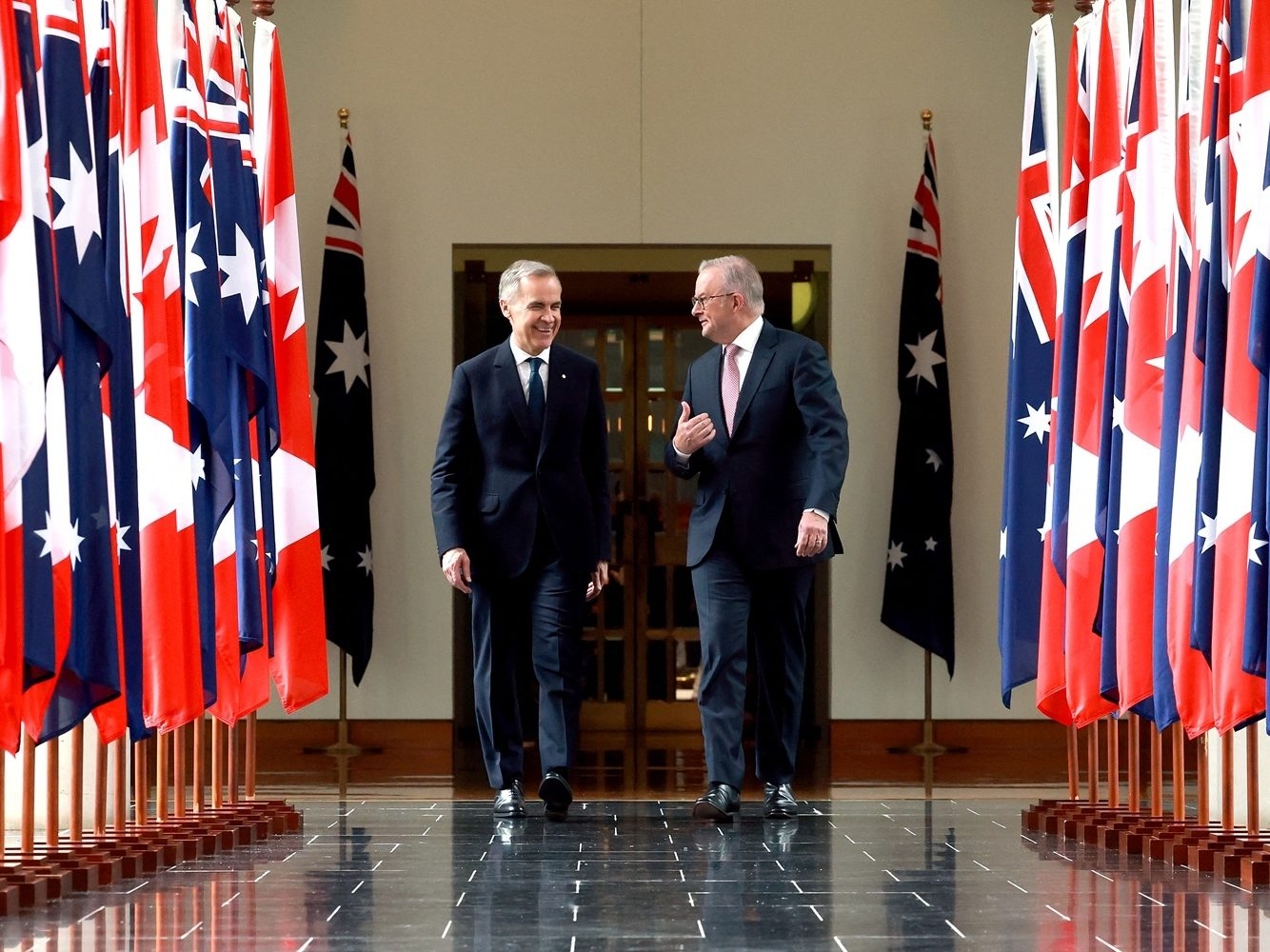
Beyond the broader geopolitical landscape, concrete steps are being taken to solidify the partnership. New agreements focused on critical minerals have been forged, including Australia’s inclusion in the G7 critical minerals alliance, and plans are in motion to modernize their long-standing bilateral tax and investment treaty.
Prime Minister Albanese echoed this sentiment, highlighting the shared values and interests that underpin the relationship. Discussions are actively underway to enhance cooperation across vital sectors – defence, the economy, and the pressing challenge of climate change, where mutual aid, like the exchange of firefighters during devastating wildfires, demonstrates a tangible commitment to one another.
Carney acknowledged the enduring influence of major global powers, but insisted that middle powers, acting in concert, can exert a significant shaping force. He envisions a future where collaboration and strategic action unlock new levels of security and prosperity for both nations.
The conversation extended to bolstering economic resilience, with a focus on building a substantial mineral reserve comprised of resources from trusted democratic nations. This initiative, alongside potential joint ventures in cutting-edge defence technologies like AI and aerospace, signals a commitment to diversifying supply chains and reducing reliance on single sources.
Currently, a significant portion of defence spending – seventy cents of every dollar – flows to the United States. Strengthening domestic capabilities and fostering collaborative projects represents a strategic move towards greater autonomy and control.
Trade is also a key component of this evolving partnership. Efforts are being made to bridge the Comprehensive and Progressive Agreement for Trans-Pacific Partnership (CPTPP) with the European Union, potentially creating a massive new trading bloc encompassing 1.5 billion people and unlocking unprecedented economic opportunities.
Carney’s visit wasn’t solely focused on government-to-government discussions. He engaged with leaders from the business and investment communities, exploring avenues for increased collaboration and capital flow. These conversations underscored the importance of private sector involvement in realizing the full potential of this strengthened alliance.
The Prime Minister also touched upon the complexities of navigating relationships with global leaders, referencing his interactions with the U.S. President. He emphasized the value of directness, honesty, and respectful dialogue, even when disagreements arise, as crucial elements of effective diplomacy.
This trip, following visits to India and with Japan on the horizon, marks a deliberate effort to forge stronger ties with key partners in the Indo-Pacific region, solidifying Canada and Australia’s role as influential voices on the world stage.