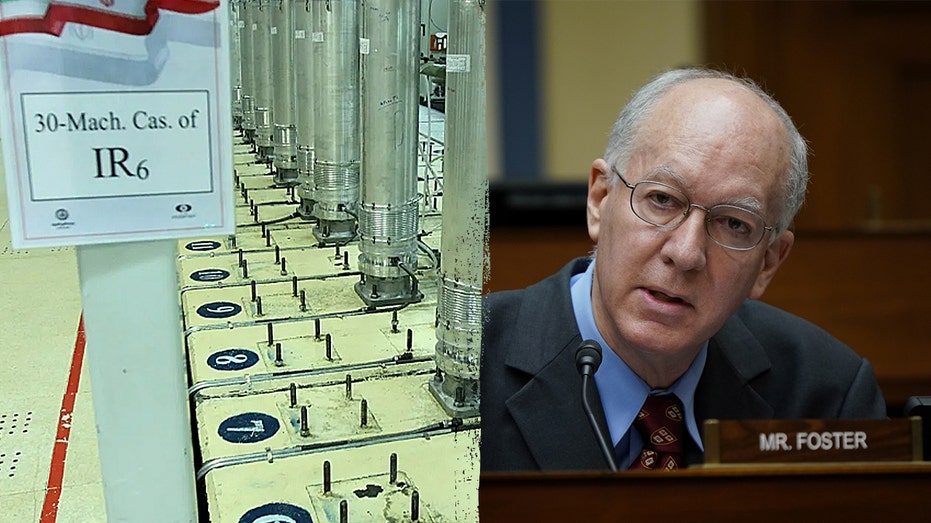
A chilling question hangs over the recent U.S. campaign against Iran: what is the plan for the nuclear material itself? A physicist-turned-Congressman, Bill Foster, is urgently raising alarms, revealing a disturbing lack of foresight from top administration officials.
Following a classified briefing, Foster expressed deep concern that no concrete strategy exists to secure or neutralize Iran’s stockpile of enriched uranium. Lawmakers were reportedly told there was no plan to destroy, seize, or even internationally inspect the material – the very core of a potential nuclear weapon.
The justification for military intervention centered on preventing Iran from achieving nuclear capability, yet the most dangerous element remains untouched. Experts warn that this stockpile could yield enough material for several rudimentary nuclear devices, weapons that, while not missile-borne, could be devastatingly deployed through other means.
Securing this material, largely buried deep underground, presents a formidable challenge. Foster bluntly stated it would likely require a ground invasion, a costly operation with potentially significant casualties. The administration, however, has offered no indication of willingness to undertake such a mission.
Recent imagery confirms damage to support structures at Iran’s Natanz facility, but the critical underground infrastructure remains largely intact. Previous experience demonstrates that strikes on enrichment facilities alone won’t eliminate the threat of retrievable, weaponizable uranium.
The situation is further complicated by the uncertain future of Iran’s religious leadership. The late Ayatollah Khamenei’s fatwa against nuclear weapons offers a fragile safeguard, but the next generation of leaders may face intense pressure from hardliners within the IRGC, who may not share the same reservations.
While officials emphasize dismantling Iran’s ability to project force through missiles and drones, the underlying nuclear threat persists. The current campaign risks pushing Iran closer to a weapon, potentially negating any diplomatic progress.
A growing concern among lawmakers is the sustainability of the ongoing conflict. Senator Mark Kelly highlighted a looming “math problem” – the finite supply of interceptor munitions and the challenges of replenishing them without compromising readiness elsewhere. The conflict is rapidly consuming valuable resources.
Some officials claim interceptor supplies are adequate, but others express serious doubts, demanding detailed answers that haven’t been forthcoming. The strain on air defense systems is compounded by simultaneous demands from Ukraine, creating a global competition for limited resources.
Experts point out that even replenishing advanced interceptor systems like Patriot and THAAD could take over a year at current production rates. This isn’t simply a theoretical concern; during a recent conflict, U.S. forces reportedly expended a quarter of the world’s THAAD interceptors in a single engagement.
The immediate danger lies in Iran’s missile and drone capabilities, but the long-term threat remains the potential for a nuclear weapon. Suppressing mobile launchers and command networks can buy time, but ultimately, the unresolved issue of the enriched uranium stockpile casts a long shadow.
The question isn’t just about military might, but about strategic foresight. Without a plan to address the nuclear material, the current campaign may prove to be a temporary measure, leaving the world facing an even greater danger down the road.